
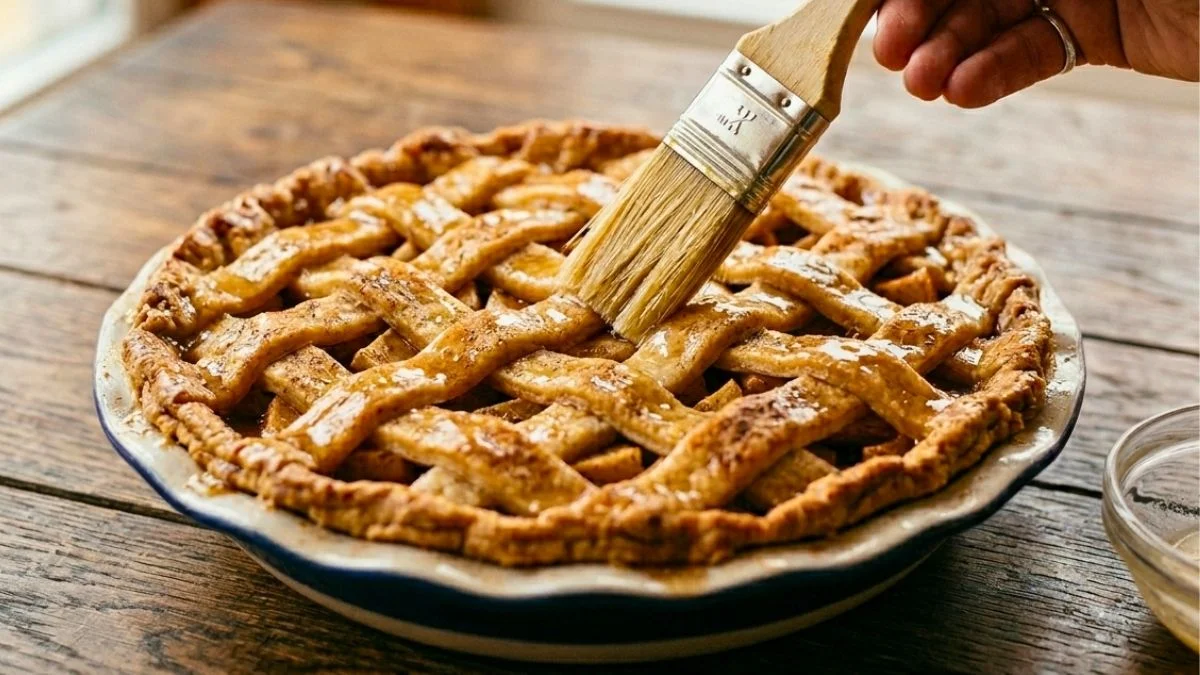
There’s nothing quite like a slice of glazed apple pie with a rich, glossy caramel topping that brings every bite together. This apple pie glaze recipe creates a smooth, luxurious sauce that transforms ordinary baked apples into bakery-quality dessert.
Whether you’re making a traditional glazed apple pie recipe, a French apple pie glaze version, or an impressive glazed apple slab pie recipe for a crowd, this simple apple pie glaze topping is the secret ingredient that elevates your apple pie from homemade to restaurant-worthy.
Learning how to make apple pie glaze is surprisingly simple-just four basic ingredients and five minutes of stovetop work create a buttery, caramel-kissed topping that clings beautifully to tender apples. This apple pie glaze recipe works on traditional pies, slab pies, and even fresh apple crisps, making it one of the most versatile glazed apple pie recipe components you can master.
What Does Apple Pie Glaze Taste Like?
An authentic apple pie glaze delivers rich, buttery caramel notes with subtle sweetness that never feels cloying or artificial. This apple pie glaze topping has a silky, luxurious texture that coats the palate smoothly without being thick or starchy.
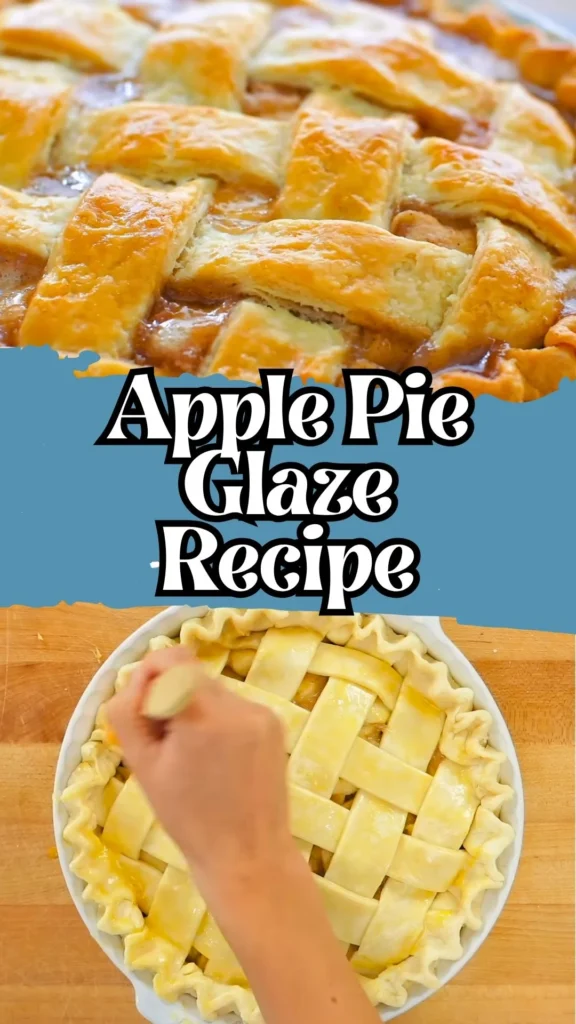
The flour-based roux creates a light caramel consistency that’s neither runny nor pasty-it’s the perfect thickness for coating apple slices while allowing the fruit’s natural flavors to shine through. When you taste a glazed apple pie recipe with this homemade glaze, you experience layers of flavor: sweet caramelized sugar, rich butter, and warm spices like cinnamon that complement the tart apples beautifully.
This apple pie glaze topping recipe creates a glossy finish that looks absolutely professional and tastes indulgently creamy, making your French apple pie glaze version taste like it came from a five-star bakery.Looking for more sweet treats? Try our Kevin Beltons Hummingbird Cake Recipe and BJ’s Salted Caramel Pizookie Recipe for even more delicious dessert ideas.
Ingredients and Kitchen Utensils
Ingredients
- 8 tablespoons (1 stick) unsalted butter
- 3 tablespoons all-purpose flour
- 1/4 cup water
- 1 cup granulated sugar
Kitchen Utensils
- Medium saucepan
- Whisk
- Measuring cups and spoons
- Wooden spoon or spatula
- Heat-resistant bowl (optional, for cooling)
- Knife and cutting board (for preparing apples)
- Mixing bowl (for tossing apples)
Preparation and Cooking Time
Prep Time: 5 minutes
Cook Time: 5 minutes
Total Time: 10 minutes
Yields: Enough glaze for one 9-inch pie or slab pie
Apple Pie Glaze Recipe Instructions
Step 1: Melt the Butter
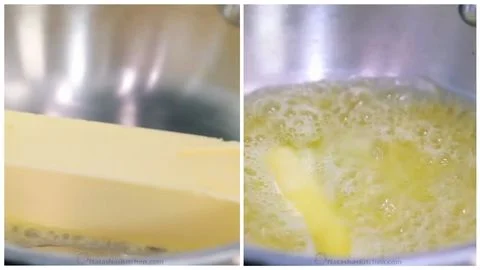
Place a medium saucepan over medium heat. Add the 8 tablespoons of unsalted butter and allow it to completely melt, about 1-2 minutes. Watch the butter carefully to ensure it doesn’t brown-you want pure melted butter for this apple pie glaze recipe.
Step 2: Build the Roux Base
Once the butter is completely melted, stir in the 3 tablespoons of all-purpose flour. Whisk constantly for about 1 minute to combine the flour with the butter and cook out the raw flour taste. This roux creates the thickening base for your apple pie glaze topping and prevents the finished glaze from being too thin or overly sweet.
Step 3: Incorporate Sugar and Water
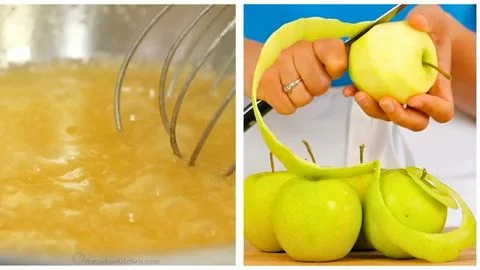
Whisk in the 1/4 cup of water and 1 cup of granulated sugar, stirring continuously to combine. Bring the entire mixture to a boil over medium heat. The sugar will dissolve into the liquid, creating the foundation for your gorgeous glazed apple pie glaze.
Step 4: Simmer to Thicken
Once the mixture reaches a boil, reduce the heat slightly to maintain a gentle simmer. Continue simmering for approximately 3 minutes, stirring occasionally. The glaze will gradually thicken and develop a smooth, light caramel consistency. You’ll notice it becoming more viscous and glossy as it cooks.
Step 5: Remove from Heat
When the apple pie glaze topping has reached your desired thickness-a light caramel-like consistency that coats a spoon-remove it from heat. The glaze will continue thickening slightly as it cools, so don’t overcook it or it will become too stiff.
Step 6: Prepare Your Apples
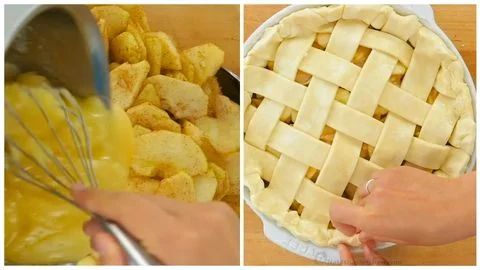
While the glaze cools slightly, prepare your apples. Thinly slice 6 to 7 Granny Smith apples and toss them with 1.5 teaspoons of ground cinnamon in a large mixing bowl. The tart Granny Smith variety works best because it holds its shape during baking and provides perfect acidity to balance the sweet glazed apple pie recipe.
Step 7: Combine and Serve
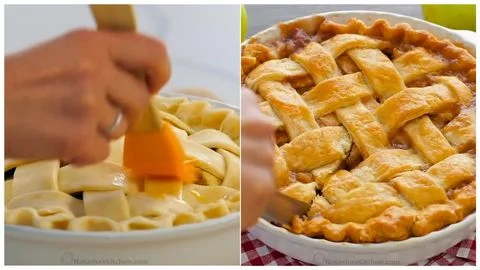
Pour the warm apple pie glaze over the cinnamon-coated apples and stir gently to coat everything evenly. The apples are now ready to go into your pie crust, slab pan, or baking dish. Use this glazed apple pie recipe component immediately while the glaze is still warm for the best coverage and texture.
Customization and Pairing Ideas for Serving
1. French Apple Pie Glaze Variations
Create an authentic French apple pie glaze by adding a splash of vanilla extract, Calvados, or brandy to the finished glaze for sophisticated depth. Some French bakers add a tablespoon of cornstarch instead of flour for an extra glossy, glass-like finish on their glazed apple pie recipe. You can also infuse the glaze with Earl Grey tea for an elegant twist on traditional apple pie glaze topping.
2. Spice Enhancements
Elevate your apple pie glaze topping recipe by whisking in warm spices like nutmeg, cloves, or cardamom into the finished glaze. A pinch of sea salt enhances the caramel notes beautifully, while a touch of maple extract adds autumnal complexity. Some bakers add a small amount of lemon zest to cut through the sweetness and brighten the glazed apple pie recipe.
3. Brown Butter Alternative
For a richer, nuttier apple pie glaze, brown the butter by cooking it on medium-high heat until it turns golden and develops a toasty aroma, then proceed with the recipe as directed. This creates a more sophisticated French apple pie glaze with deeper caramel undertones that elevate a simple glazed apple pie recipe into restaurant territory.
4. Serving with Toppings
Crown your finished glazed apple pie recipe with ice cream, whipped cream, or vanilla custard sauce drizzled over individual slices. Streusel topping, candied pecans, or a sprinkle of sea salt on top of the apple pie glaze topping adds textural contrast and visual appeal. Some bakers serve slices with a scoop of cinnamon ice cream for complete indulgence.
5. Slab Pie Presentation
This glazed apple slab pie recipe shines when cut into elegant rectangular portions and drizzled with additional caramel glaze. Serve alongside a cup of strong coffee or herbal tea for an impressive dessert that feeds a crowd. The larger format showcases the glossy apple pie glaze topping beautifully.
6. Pairing with Beverages
Serve your glazed apple pie recipe with hot apple cider, spiced chai, or freshly brewed coffee for cozy autumn moments. For dessert wine pairings, try Riesling, Moscato, or port with a slice of glazed apple pie. Milk or vanilla milkshakes complement the warm spice notes in this apple pie glaze topping wonderfully.
7. Creative Dessert Applications
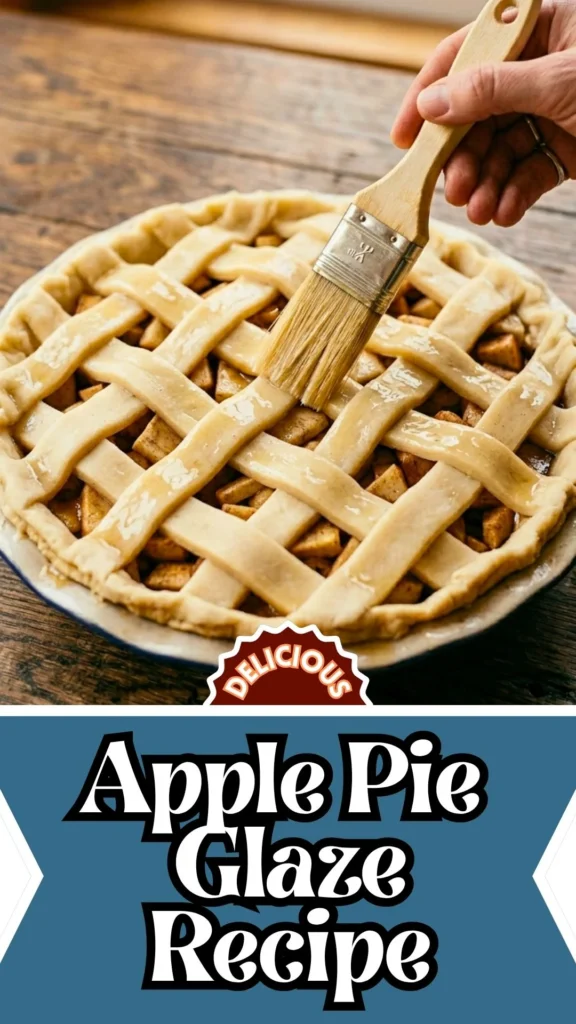
Use this apple pie glaze topping recipe on apple crisps, apple cakes, or even donuts for versatility beyond traditional pie. Drizzle the cooled glaze over cheesecake with caramelized apples for a fusion dessert, or warm it gently and serve as a sauce for vanilla panna cotta. Layer it in parfaits with yogurt and granola for an elegant breakfast using your homemade apple pie glaze.
Essential Tips for Perfect Apple Pie Glaze
1. Use a Proper Roux Base
The key to achieving the perfect apple pie glaze topping consistency is creating an even roux with the flour and butter. Whisk constantly while cooking the roux to prevent lumps and ensure the flour cooks out evenly. This foundation prevents your apple pie glaze recipe from being grainy or separated.
2. Don’t Skip the Simmering Step
Many bakers rush this apple pie glaze recipe by boiling hard, but gentle simmering for 3 minutes is crucial for proper thickening. The slower cooking allows the glaze to develop the right consistency and caramel flavor without becoming too dark or bitter. Watch carefully after the 3-minute mark to prevent overcooking.
3. Use Granulated Sugar for Best Results
Granulated sugar dissolves more evenly than other sugar types in this glazed apple pie recipe, creating a smooth finish without crystals. Avoid powdered sugar, which can create a gritty texture, and brown sugar, which alters the flavor profile of the apple pie glaze topping.
4. Temperature Control is Critical
Medium heat is ideal for this apple pie glaze recipe-too high and your glaze burns, too low and it takes forever to thicken. Watch the transition from boiling to simmering carefully, adjusting the burner slightly if needed to maintain a gentle, consistent simmer.
5. Choose Granny Smith Apples
Granny Smith apples are the ideal choice for a glazed apple pie recipe because they have high acidity that balances the sweet glaze, firm flesh that holds shape when baked, and a subtle tartness that complements the buttery apple pie glaze topping. Avoid mealy varieties like Red Delicious.
6. Apply While Glaze is Warm
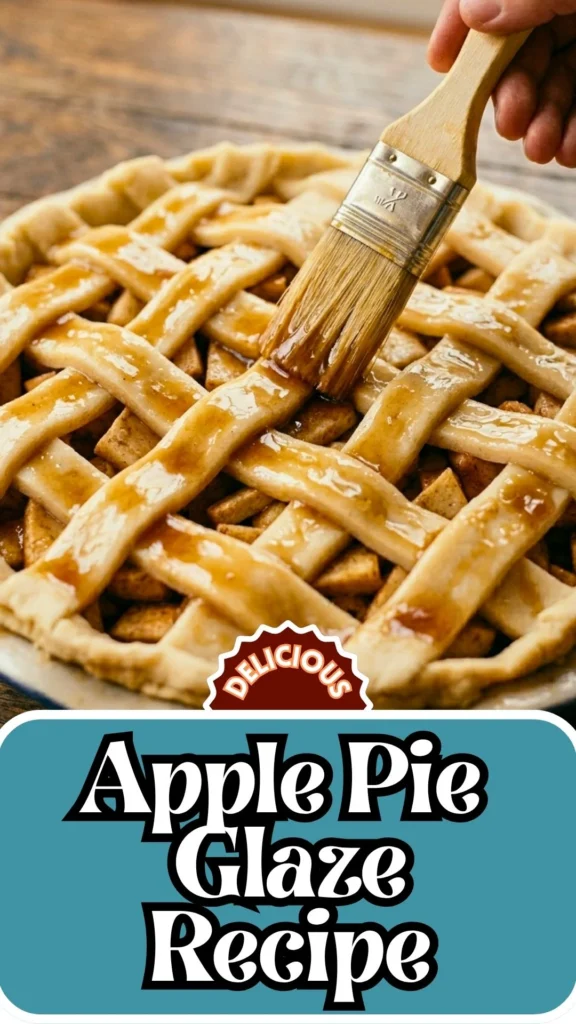
For best coverage and adhesion in your glazed apple slab pie recipe, pour the apple pie glaze over apples while it’s still warm. Warm glaze flows more easily over the fruit and sets with a beautiful glossy finish. Cooled glaze becomes thick and difficult to spread evenly.
7. Store and Reheat Properly
This apple pie glaze topping recipe can be made ahead and stored in the refrigerator for up to one week. Gently reheat the glaze over low heat, adding a splash of water if it becomes too thick. The glaze thickens as it cools, so account for this when judging doneness on the stovetop.
Storage and Reheating Guidance
Store leftover apple pie glaze topping in an airtight container in the refrigerator for up to 7 days. Reheat gently over low heat, stirring frequently and adding water by the teaspoon if the glaze has become too thick. You can also microwave in 15-second intervals, stirring between, until you reach the desired consistency.
Common Queries and FAQs
Here, you’ll find answers to some common questions about the Apple Pie Glaze Recipe that people frequently ask
What’s the difference between this apple pie glaze topping recipe and regular pie filling?
This apple pie glaze recipe is a thin caramel sauce meant to coat apples rather than bind them into a thick filling. It adds richness and shine without the starchy consistency of traditional pie filling. The French apple pie glaze approach prioritizes the fruit’s natural texture while providing buttery, caramel flavor.
Can I make this glazed apple pie recipe dairy-free?
Yes! Substitute the unsalted butter with dairy-free butter in equal amounts. The texture and flavor will be nearly identical, making this a great apple pie glaze topping for those with dairy restrictions. Ensure your dairy-free butter has similar fat content for best results.
Why does my apple pie glaze topping look grainy?
Grainy texture usually indicates the roux wasn’t cooked evenly or the sugar didn’t dissolve properly. Whisk constantly throughout the cooking process and ensure medium heat consistency. If this happens, strain the glaze through a fine-mesh sieve to remove particles.
How do I adjust the thickness of my apple pie glaze?
If your apple pie glaze topping is too thin, simmer for an additional 1-2 minutes. If it’s too thick, whisk in water one tablespoon at a time until it reaches the desired consistency. Remember the glaze thickens as it cools, so it should be slightly thinner than you want the final product to be.
Can I make a larger batch of apple pie glaze recipe?
Yes! Simply double or triple the ingredients and adjust cooking time accordingly. Larger batches may need an additional 1-2 minutes of simmering to reach the proper consistency. Store extra apple pie glaze topping in the refrigerator for up to a week.
Is this French apple pie glaze recipe gluten-free?
No, the traditional recipe contains all-purpose flour. For a gluten-free apple pie glaze, substitute with cornstarch or a gluten-free flour blend in equal amounts. Cornstarch actually creates a slightly glossier finish on glazed apple pie.
Can I use this glaze on other desserts?
Absolutely! This apple pie glaze topping recipe works beautifully on apple cakes, apple crisps, donuts, cheesecake, or panna cotta. It’s also delicious warm as a sauce over vanilla ice cream or pound cake.
How far ahead can I prepare this apple pie glaze?
You can make this glazed apple pie recipe up to a week in advance and store it in the refrigerator. Gently reheat before using to restore the proper consistency for coating apples evenly.
Apple Pie Glaze Recipe
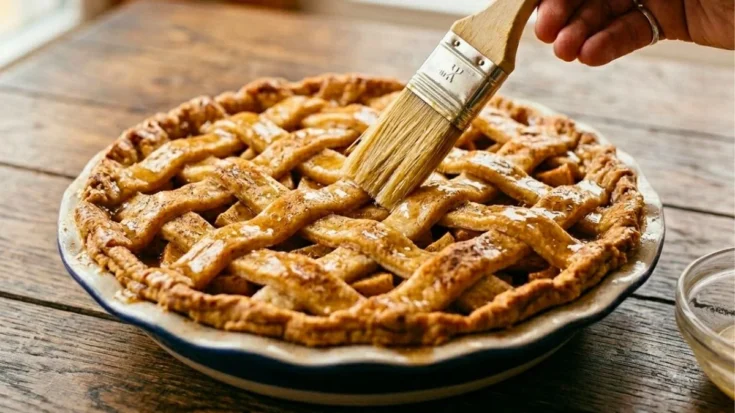
There’s nothing quite like a slice of glazed apple pie with a rich, glossy caramel topping that brings every bite together. This apple pie glaze recipe creates a smooth, luxurious sauce that transforms ordinary baked apples into bakery-quality dessert.
Ingredients
- 8 tablespoons (1 stick) unsalted butter
- 3 tablespoons all-purpose flour
- 1/4 cup water
- 1 cup granulated sugar
Instructions
Step 1: Melt the Butter
Place a medium saucepan over medium heat. Add the 8 tablespoons of unsalted butter and allow it to completely melt, about 1-2 minutes. Watch the butter carefully to ensure it doesn’t brown-you want pure melted butter for this apple pie glaze recipe.
Step 2: Build the Roux Base
Once the butter is completely melted, stir in the 3 tablespoons of all-purpose flour. Whisk constantly for about 1 minute to combine the flour with the butter and cook out the raw flour taste. This roux creates the thickening base for your apple pie glaze topping and prevents the finished glaze from being too thin or overly sweet.
Step 3: Incorporate Sugar and Water
Whisk in the 1/4 cup of water and 1 cup of granulated sugar, stirring continuously to combine. Bring the entire mixture to a boil over medium heat. The sugar will dissolve into the liquid, creating the foundation for your gorgeous glazed apple pie glaze.
Step 4: Simmer to Thicken
Once the mixture reaches a boil, reduce the heat slightly to maintain a gentle simmer. Continue simmering for approximately 3 minutes, stirring occasionally. The glaze will gradually thicken and develop a smooth, light caramel consistency. You’ll notice it becoming more viscous and glossy as it cooks.
Step 5: Remove from Heat
When the apple pie glaze topping has reached your desired thickness-a light caramel-like consistency that coats a spoon-remove it from heat. The glaze will continue thickening slightly as it cools, so don’t overcook it or it will become too stiff.
Step 6: Prepare Your Apples
While the glaze cools slightly, prepare your apples. Thinly slice 6 to 7 Granny Smith apples and toss them with 1.5 teaspoons of ground cinnamon in a large mixing bowl. The tart Granny Smith variety works best because it holds its shape during baking and provides perfect acidity to balance the sweet glazed apple pie recipe.
Step 7: Combine and Serve
Pour the warm apple pie glaze over the cinnamon-coated apples and stir gently to coat everything evenly. The apples are now ready to go into your pie crust, slab pan, or baking dish. Use this glazed apple pie recipe component immediately while the glaze is still warm for the best coverage and texture.
Notes
Store leftover apple pie glaze topping in an airtight container in the refrigerator for up to 7 days. Reheat gently over low heat, stirring frequently and adding water by the teaspoon if the glaze has become too thick. You can also microwave in 15-second intervals, stirring between, until you reach the desired consistency.
Nutrition Information:
Yield:
9Serving Size:
1Amount Per Serving: Calories: 355
I’d love to hear your thoughts-leave a comment on the blog and let me know How it came out! Don’t forget to follow me on Pinterest, Facebook and YouTube for more delicious updates. Your support truly means everything to me.