
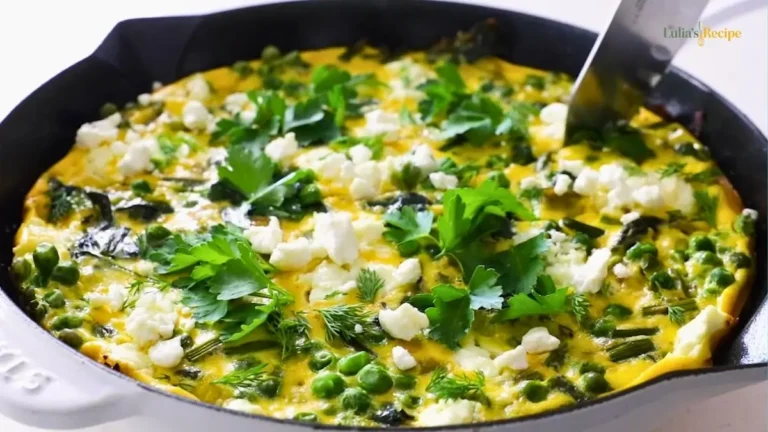

If you’ve been wondering “what is a fatata?” or searching for the perfect fatata recipe, you’re in for a delicious surprise.
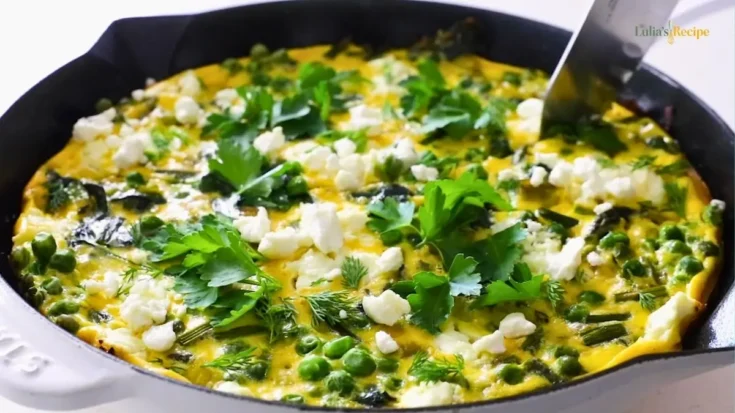
A fatata is a Middle Eastern-inspired egg dish similar to a frittata, loaded with fresh vegetables, creamy cheese, and aromatic herbs.
This fatata food combines the best of Mediterranean cooking vibrant spring vegetables like asparagus, leeks, peas, and spinach bound together with fluffy eggs and tangy goat cheese.
Learning how to make a fatata is surprisingly simple, requiring just one pan and about 30 minutes from start to finish. Whether you’re hosting brunch, meal prepping for the week, or looking for a protein-rich vegetarian main, this fatata recipe delivers on flavor, nutrition, and visual appeal.
What Does It Taste Like?
This fatata food offers a harmonious blend of savory, creamy, and fresh flavors. The eggs create a tender, custard-like base with a slight tang from the yogurt, while the goat cheese adds luxurious creaminess and subtle earthiness.
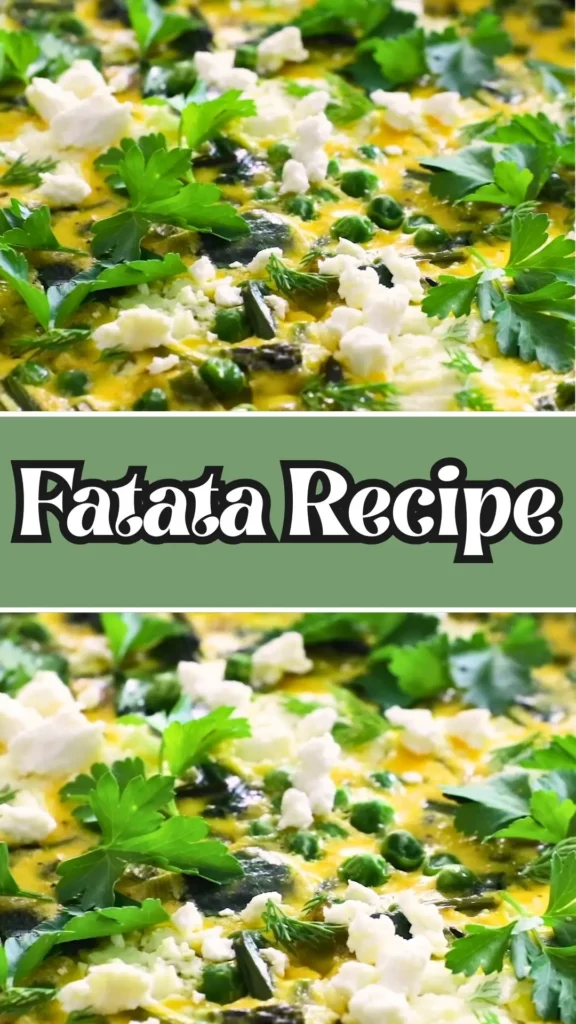
Sweet peas and mild leeks balance the grassy notes of spinach and asparagus, creating layers of spring vegetable flavor in every bite. The fresh herbs on top provide a bright, aromatic finish. The texture is fluffy yet substantial softer than an omelet but firmer than scrambled eggs.
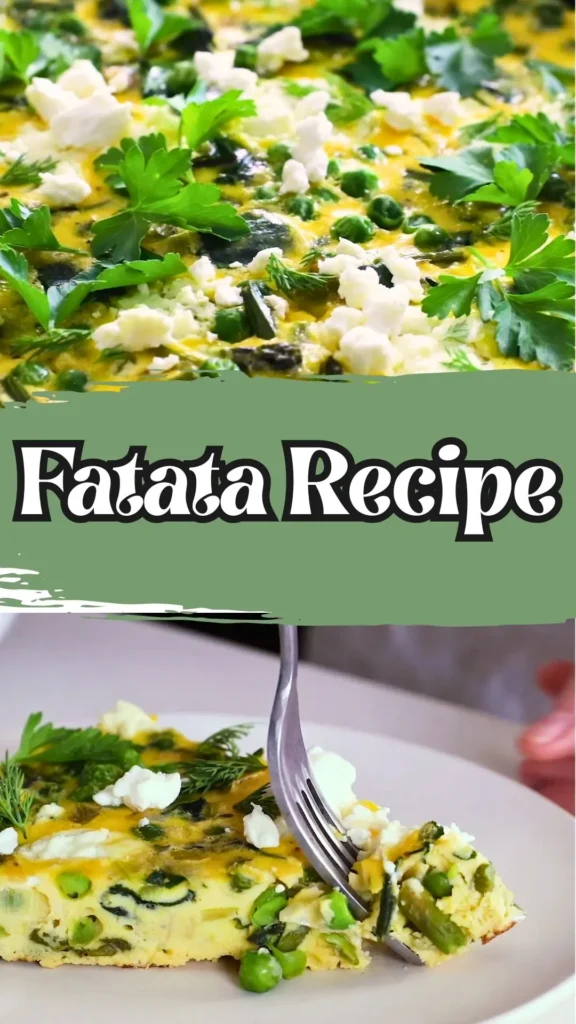
Each forkful delivers a satisfying combination of creamy egg, crisp-tender vegetables, and melted cheese that tastes like a warm Mediterranean morning.
Fatata Recipe Ingredients
For the Fatata:
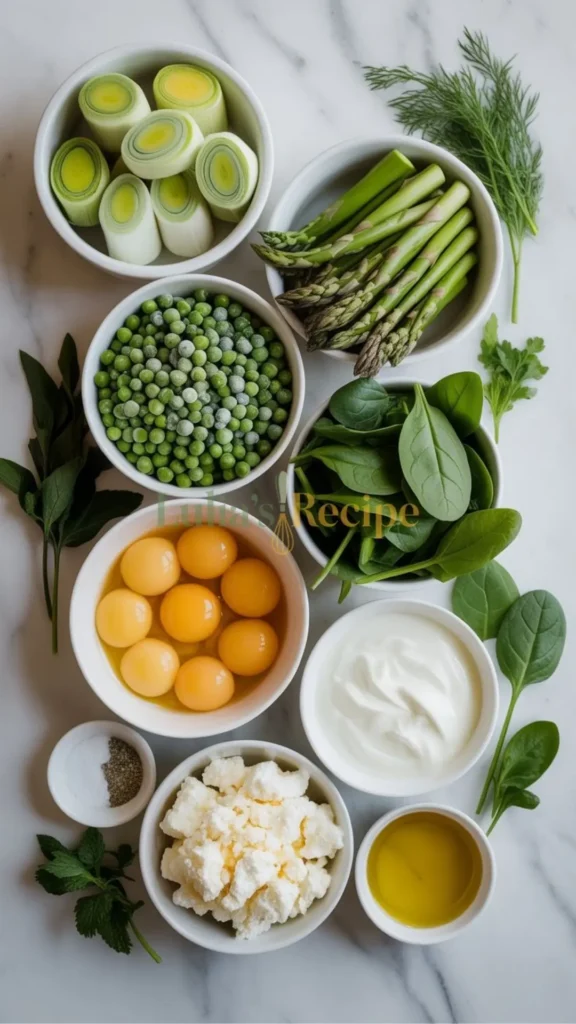
- 1 leek (white and light green parts), cleaned and sliced
- 1 bunch asparagus, trimmed and cut into ½-inch pieces
- 1 cup frozen peas
- 1 packed cup baby spinach
- 10 large eggs
- ½ cup yogurt (regular or dairy-free)
- 2–3 tbsp olive oil or avocado oil
- 3 oz soft goat cheese (or substitute cheese of your choice)
- Salt and pepper, to taste
- Fresh herbs (parsley, dill, or mint) for garnish
Kitchen Utensils
- 10-inch oven-safe skillet (cast iron works beautifully)
- Large mixing bowl
- Whisk
- Cutting board and sharp knife
- Measuring cups and spoons
- Spatula
Preparation and Cooking Time
- Prep Time: 10 minutes
- Cook Time: 20-25 minutes
- Total Time: 30-35 minutes
- Servings: 6-8 servings
Fatata Recipe Instructions
Step 1: Prepare the Vegetables
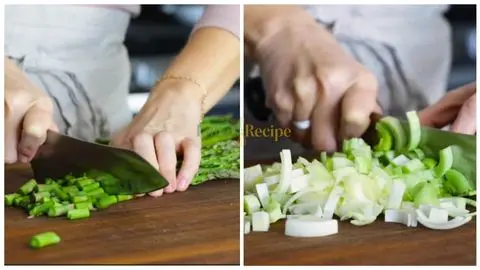
Trim the woody ends from the asparagus and slice into ½-inch pieces. Slice the leek (white and light green parts only) into thin rounds, then rinse thoroughly in a colander to remove any grit between the layers. Pat dry with a kitchen towel.
Step 2: Make the Egg Mixture
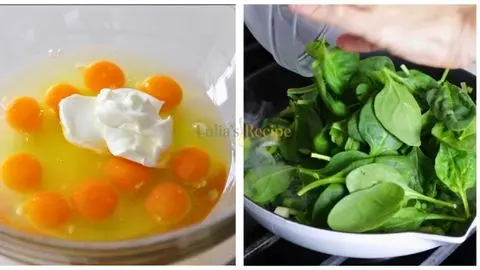
In a large bowl, crack 10 eggs. Add ½ cup yogurt along with a generous pinch of salt and freshly ground black pepper. Whisk vigorously until the mixture is smooth, well-combined, and slightly frothy. This ensures a light, airy texture in your fatata.
Step 3: Sauté the Aromatics
Preheat your oven to 375°F (190°C). Heat 2–3 tablespoons of olive or avocado oil in a 10-inch oven-safe skillet over medium heat. Once the oil shimmers, add the sliced leeks and cook for 3–4 minutes, stirring occasionally, until they soften and become fragrant.
Step 4: Add the Vegetables
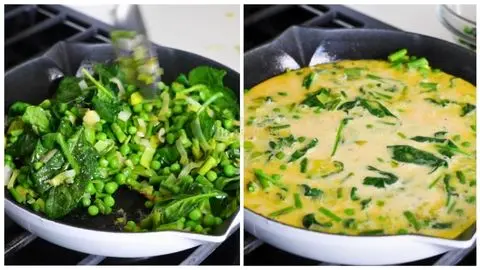
Add the asparagus pieces to the pan and cook for 1–2 minutes, stirring to coat with oil. Stir in the frozen peas and baby spinach. Sauté for another 1–2 minutes until the spinach wilts and the peas thaw completely. Season the vegetables with additional salt and pepper to taste.
Step 5: Reserve Topping Vegetables
Remove approximately ¼ to ⅓ of the cooked vegetable mixture from the pan and set it aside in a small bowl. This portion will be used as a beautiful topping for your fatata.
Step 6: Combine and Set
Pour the whisked egg mixture into the pan over the remaining vegetables, tilting the pan gently to distribute evenly. Let the fatata cook undisturbed for 2–3 minutes over medium heat until you notice the edges beginning to set and pull away slightly from the sides.
Step 7: Add Toppings and Bake
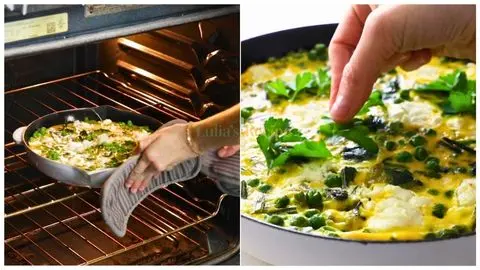
Arrange the reserved vegetables over the top of the fatata in an attractive pattern. Dollop or crumble the soft goat cheese evenly across the surface. Carefully transfer the entire pan to your preheated oven.
Step 8: Bake to Perfection
Bake for 15–20 minutes, or until the center of the fatata is fully set and no longer jiggles when you gently shake the pan. The top should be lightly golden.
Step 9: Garnish and Serve
Remove from the oven (remember the handle is hot!). Top with freshly chopped herbs like parsley, dill, or mint, and additional crumbles of goat cheese if desired. Let rest for 2–3 minutes, then slice into wedges and serve warm.
Customization and Pairing for Serving Ideas
1. Mediterranean Fatata Variation
Transform your fatata into a Greek-inspired dish by substituting feta cheese for goat cheese and adding sun-dried tomatoes, Kalamata olives, and fresh oregano. This variation pairs beautifully with tzatziki sauce and warm pita bread for an authentic Mediterranean brunch experience.
2. Mushroom and Herb Fatata
Replace the asparagus with sautéed mushrooms (cremini, shiitake, or button) and add fresh thyme and rosemary to the egg mixture. This earthier version of fatata food works wonderfully with a side of roasted potatoes and is perfect for fall and winter months.
3. Spicy Southwest Twist
Add diced bell peppers, jalapeños, and corn to create a Southwestern-style fatata. Top with pepper jack cheese instead of goat cheese, and serve with salsa, avocado slices, and a dollop of sour cream for a brunch dish with a kick.
4. Breakfast Meat Addition
While this fatata recipe is vegetarian, you can easily add cooked bacon, pancetta, or Italian sausage for meat lovers. Crumble or dice the cooked meat and fold it into the vegetables before adding the eggs for a heartier, more substantial meal.
5. Cheese Variations
Experiment with different cheeses to change the flavor profile. Try creamy ricotta for a milder taste, sharp cheddar for boldness, or crumbled blue cheese for something adventurous. Each cheese brings its own character to this versatile fatata food.
6. Serving Pairing Ideas
Serve your fatata alongside a fresh arugula salad dressed with lemon vinaigrette, crusty sourdough bread, or butter-toasted bagels. For a complete brunch spread, pair it with fresh fruit, smoked salmon, or roasted cherry tomatoes.
7. Individual Fatata Portions
Divide the mixture among greased muffin tins for personal-sized fatata portions perfect for meal prep or grab-and-go breakfasts. Reduce baking time to 12–15 minutes and customize each portion with different vegetable and cheese combinations to please everyone at the table.

Expert Tips for the Perfect Fatata
1. Properly Clean Your Leeks
Leeks trap dirt and sand between their layers, so thorough cleaning is essential. After slicing, place them in a bowl of cold water and swish vigorously. Let the dirt settle to the bottom, then lift the leeks out with your hands rather than pouring them into a colander, which can redistribute the grit.
2. Don’t Skip the Yogurt
The yogurt in this fatata recipe isn’t just for tang it creates an incredibly tender, almost soufflé-like texture. The acidity also helps the eggs stay fluffy during baking. Greek yogurt, regular yogurt, or even dairy-free alternatives all work beautifully. For the creamiest results, use full-fat yogurt.
3. Master the Egg Whisking Technique
Whisk your eggs thoroughly until you see bubbles forming on the surface. This incorporates air into the mixture, resulting in a lighter, fluffier fatata. Some chefs even suggest whisking for a full minute to achieve maximum volume and airiness in the final dish.
4. Choose the Right Pan
A well-seasoned cast iron skillet is ideal for making fatata because it distributes heat evenly and transitions seamlessly from stovetop to oven. If you don’t have cast iron, any oven-safe pan with sloped sides will work. Avoid pans with plastic handles that can melt in the oven.
5. Don’t Overcook the Vegetables
When learning how to make a fatata, remember that vegetables continue cooking in the oven. Slightly undercook them during the sautéing phase to prevent mushiness. Asparagus should remain bright green and crisp-tender, and spinach should just wilt without becoming soggy.
6. Test for Doneness Properly
The fatata is ready when the center is just set but still has a slight jiggle similar to a cheesecake. It will continue cooking from residual heat after you remove it from the oven. Insert a knife in the center; it should come out with minimal wetness. Overbaking creates a rubbery texture.
7. Let It Rest Before Slicing
Patience pays off with fatata food. Allow the dish to rest for 2–3 minutes after baking before slicing. This resting period lets the eggs finish setting and makes slicing much cleaner. Use a sharp knife and wipe it clean between cuts for the most beautiful presentation.
Storage and Reheating Guidance
Store leftover fatata in an airtight container in the refrigerator for up to 4 days. Reheat individual slices in the microwave for 30–45 seconds or in a 350°F oven for 8–10 minutes until warmed through. The fatata can also be frozen for up to 2 months; thaw overnight in the refrigerator before reheating.
Common Queries and FAQs
Here, we’ve got you covered with some common questions about the Fatata Recipe that people often ask.
What is a fatata?
A fatata is a Middle Eastern egg-based dish similar to an Italian frittata or Spanish tortilla. It consists of eggs mixed with yogurt and various vegetables, herbs, and cheese, then baked in the oven until set. The fatata meaning comes from Arabic cuisine, where it’s traditionally served as a communal breakfast or brunch dish.
What’s the difference between a fatata and a frittata?
While fatata and frittata are very similar, the key difference is that fatata recipes typically include yogurt in the egg mixture, which creates a tangier flavor and more tender texture. Fatata also has Middle Eastern origins, while frittata is Italian. Both are baked egg dishes loaded with vegetables and cheese.
Can I make fatata without an oven-safe pan?
Yes! If you don’t have an oven-safe skillet, you can sauté the vegetables in a regular pan, then transfer everything to a greased baking dish before adding the egg mixture and baking. A 9-inch pie dish or similar-sized casserole dish works perfectly for this fatata recipe.
How do I know when my fatata is fully cooked?
Your fatata is done when the center is just set with only a slight jiggle, and a knife inserted in the middle comes out mostly clean. The edges will be lightly golden and may pull away slightly from the pan. Avoid overbaking, as this makes the eggs rubbery.
Can I make fatata ahead of time?
Absolutely! Fatata is excellent for meal prep. You can prepare it the night before and reheat slices as needed throughout the week. It also serves beautifully at room temperature, making it perfect for brunch gatherings or picnics. The flavors actually develop and meld overnight in the refrigerator.
What vegetables work best in fatata food?
Spring vegetables like asparagus, peas, and spinach are classic, but fatata is incredibly versatile. Try zucchini, bell peppers, tomatoes, mushrooms, broccoli, kale, or Swiss chard. The key is to sauté watery vegetables first to remove excess moisture, which prevents a soggy fatata.
Can I use egg whites only or egg substitute?
While you can use egg whites for a lower-fat version, the texture won’t be as rich and creamy. For best results, use at least half whole eggs. Liquid egg substitutes work reasonably well, though the fatata may be slightly less fluffy. Follow the package directions for equivalent amounts.
What cheese substitutes work in this fatata recipe?
If you can’t find goat cheese or don’t enjoy its tangy flavor, try feta, ricotta, cream cheese, mozzarella, or sharp cheddar. For a dairy-free fatata, use cashew cheese, nutritional yeast, or simply omit the cheese and add extra vegetables and herbs for flavor.
Why did my fatata turn out watery?
Excess moisture from vegetables is the most common culprit. Make sure to thoroughly cook vegetables to evaporate water, especially if using frozen items like peas. Squeeze excess water from spinach if using fresh. Also, don’t add too much yogurt or use very watery yogurt varieties without straining them first.
Can I double this fatata recipe?
Yes, but you’ll need a larger pan at least 12 inches or use two 10-inch pans. Doubling means longer baking time, typically 25–30 minutes instead of 15–20. The fatata food should still pass the jiggle test in the center before removing from the oven.
Is fatata served hot or cold?
Fatata is delicious served any way! It’s wonderful hot straight from the oven, at room temperature for brunches and picnics, or cold from the refrigerator as a quick breakfast or snack. The versatility is part of what makes learning how to make a fatata so worthwhile.
What herbs pair best with fatata?
Fresh herbs elevate fatata beautifully. Dill and parsley are traditional, but mint, cilantro, chives, basil, or tarragon all work wonderfully. Add hardy herbs like thyme or rosemary to the egg mixture, and save delicate herbs like basil and cilantro for fresh garnish after baking.
Can I make mini fatatas?
Yes! Pour the egg and vegetable mixture into greased muffin tins for individual portions. Fill each cup about ¾ full and bake at 375°F for 12–15 minutes. These mini fatatas are perfect for meal prep, kids’ lunches, or portion control. They freeze exceptionally well too.
Fatata Recipe
If you’ve been wondering “what is a fatata?” or searching for the perfect fatata recipe, you’re in for a delicious surprise.
A fatata is a Middle Eastern-inspired egg dish similar to a frittata, loaded with fresh vegetables, creamy cheese, and aromatic herbs. This fatata food combines the best of Mediterranean cooking vibrant spring vegetables like asparagus, leeks, peas, and spinach bound together with fluffy eggs and tangy goat cheese.
Ingredients
- 1 leek (white and light green parts), cleaned and sliced
- 1 bunch asparagus, trimmed and cut into ½-inch pieces
- 1 cup frozen peas
- 1 packed cup baby spinach
- 10 large eggs
- ½ cup yogurt (regular or dairy-free)
- 2–3 tbsp olive oil or avocado oil
- 3 oz soft goat cheese (or substitute cheese of your choice)
- Salt and pepper, to taste
- Fresh herbs (parsley, dill, or mint) for garnish
Instructions
Step 1: Prepare the Vegetables: Trim the woody ends from the asparagus and slice into ½-inch pieces. Slice the leek (white and light green parts only) into thin rounds, then rinse thoroughly in a colander to remove any grit between the layers. Pat dry with a kitchen towel.
Step 2: Make the Egg Mixture: In a large bowl, crack 10 eggs. Add ½ cup yogurt along with a generous pinch of salt and freshly ground black pepper. Whisk vigorously until the mixture is smooth, well-combined, and slightly frothy. This ensures a light, airy texture in your fatata.
Step 3: Sauté the Aromatics: Preheat your oven to 375°F (190°C). Heat 2–3 tablespoons of olive or avocado oil in a 10-inch oven-safe skillet over medium heat. Once the oil shimmers, add the sliced leeks and cook for 3–4 minutes, stirring occasionally, until they soften and become fragrant.
Step 4: Add the Vegetables: Add the asparagus pieces to the pan and cook for 1–2 minutes, stirring to coat with oil. Stir in the frozen peas and baby spinach. Sauté for another 1–2 minutes until the spinach wilts and the peas thaw completely. Season the vegetables with additional salt and pepper to taste.
Step 5: Reserve Topping Vegetables: Remove approximately ¼ to ⅓ of the cooked vegetable mixture from the pan and set it aside in a small bowl. This portion will be used as a beautiful topping for your fatata.
Step 6: Combine and Set: Pour the whisked egg mixture into the pan over the remaining vegetables, tilting the pan gently to distribute evenly. Let the fatata cook undisturbed for 2–3 minutes over medium heat until you notice the edges beginning to set and pull away slightly from the sides.
Step 7: Add Toppings and Bake: Arrange the reserved vegetables over the top of the fatata in an attractive pattern. Dollop or crumble the soft goat cheese evenly across the surface. Carefully transfer the entire pan to your preheated oven.
Step 8: Bake to Perfection: Bake for 15–20 minutes, or until the center of the fatata is fully set and no longer jiggles when you gently shake the pan. The top should be lightly golden.
Step 9: Garnish and Serve: Remove from the oven (remember the handle is hot!). Top with freshly chopped herbs like parsley, dill, or mint, and additional crumbles of goat cheese if desired. Let rest for 2–3 minutes, then slice into wedges and serve warm.
Notes
Store leftover fatata in an airtight container in the refrigerator for up to 4 days. Reheat individual slices in the microwave for 30–45 seconds or in a 350°F oven for 8–10 minutes until warmed through. The fatata can also be frozen for up to 2 months; thaw overnight in the refrigerator before reheating.
Nutrition Information:
Yield:
6Serving Size:
1Amount Per Serving: Calories: 150
This fatata recipe proves that impressive brunch dishes don’t have to be complicated. With just one pan, fresh vegetables, eggs, and cheese, you can create a restaurant-worthy meal that feeds a crowd and tastes incredible.
Now that you know what is a fatata and how to make a fatata, you’ll find yourself returning to this versatile dish again and again. The beauty of fatata food lies in its adaptability customize the vegetables, cheese, and herbs based on what’s in season or what you have on hand.
Whether you’re serving it for weekend brunch, meal prepping for busy mornings, or bringing it to a potluck, this fatata delivers every time. Give it a try and discover your new favorite egg dish!
I’d love to hear your thoughts-leave a comment on the blog and let me know How it came out! Don’t forget to follow me on Pinterest, Facebook and YouTube for more delicious updates. Your support truly means everything to me.