
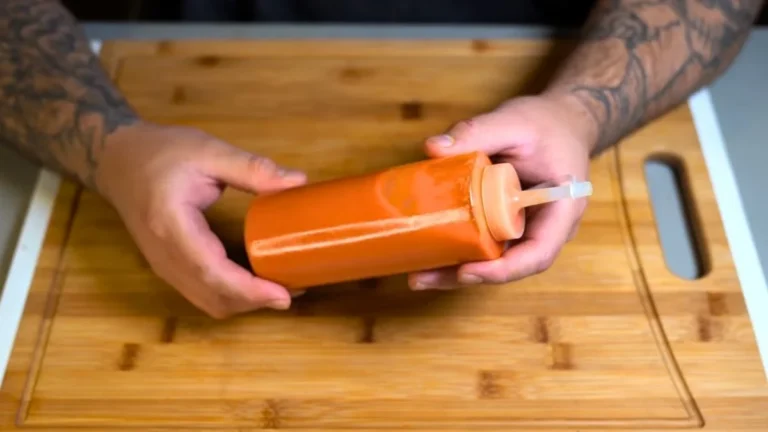

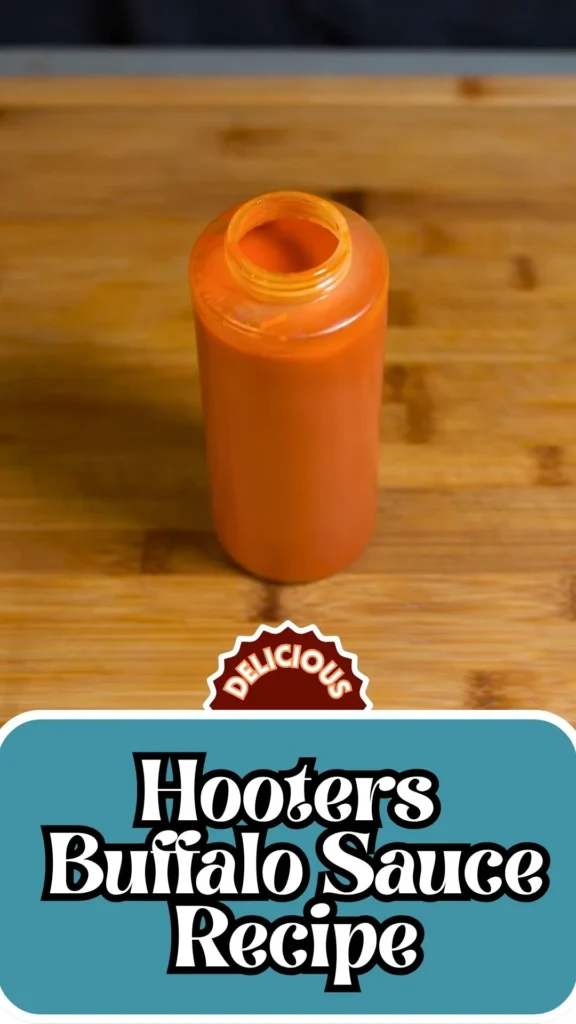
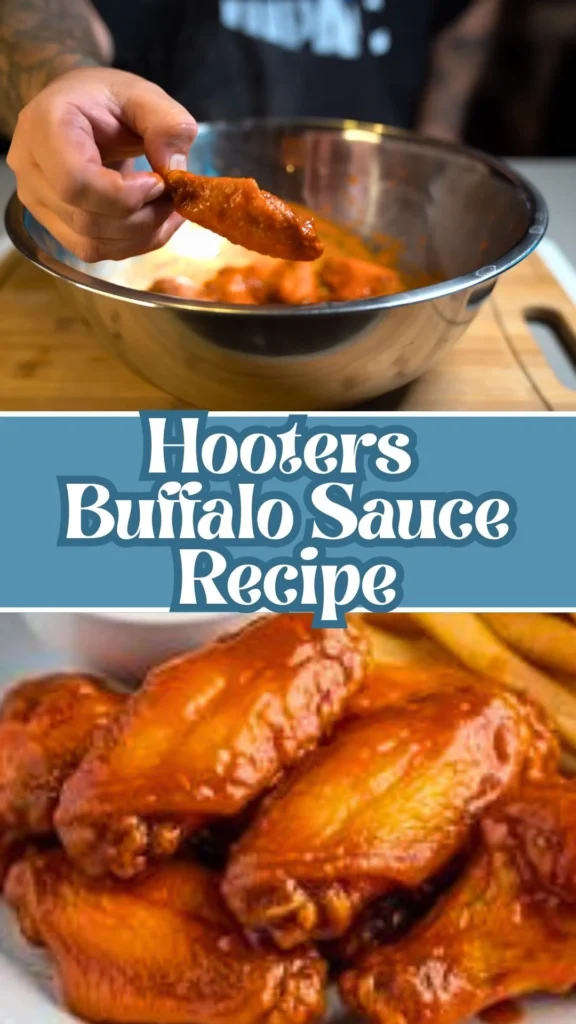
If you’ve ever craved the tangy, perfectly balanced heat of Hooters buffalo sauce and wondered what makes it taste so uniquely complex, the secret lies in fermentation. This copycat Hooters buffalo sauce recipe goes beyond the standard hot sauce-and-butter combo to create a deeply flavorful, restaurant-quality wing sauce from scratch.
By fermenting fresh Fresno peppers for up to twelve days, you develop layers of umami and acidity that bottled sauces simply can’t match. Combined with toasted garlic, sautéed vegetables, and carefully balanced vinegar, this how to make Hooters buffalo sauce guide delivers authentic taste with a homemade twist.
Whether you’re a buffalo sauce purist or an adventurous home cook, understanding the Hooters buffalo sauce ingredients and fermentation process will transform your wing game forever.
What Does It Taste Like?
The Hooters buffalo wing sauce recipe delivers a sophisticated flavor profile that balances bright acidity, moderate heat, and savory depth. Unlike one-dimensional hot sauces, this fermented version offers complex tanginess from the lacto-fermented Fresno peppers, which develop a subtle funkiness similar to premium Louisiana-style sauces.
The toasted garlic adds nutty sweetness that mellows the pepper’s bite, while sautéed celery and carrot contribute earthy undertones and natural sweetness without being detectably vegetable-forward.
The white vinegar brings sharp brightness that cuts through rich fried chicken, and the garlic-infused oil creates a silky mouthfeel. The heat level sits comfortably in the medium range-assertive enough to make your lips tingle but balanced enough that the flavors shine through rather than pure burn.
Ingredients and Kitchen Utensils Lists
Ingredients
For the pepper brine/fermentation:
- 16 red Fresno peppers (1–1.25 lbs / 450–550g)
- 4.5 cups (1 liter) filtered water
- 3.5 tablespoons finely ground kosher salt
Toasted garlic and infused oil:
- ½ cup neutral oil (canola or vegetable oil)
- 5 garlic cloves, peeled
For sautéed vegetables:
- ½ celery stick, finely chopped
- ½ carrot, shredded or finely chopped
- Small drizzle of olive oil
- Pinch of kosher salt
For blending the sauce:
- All fermented peppers (drained)
- Toasted garlic cloves (from above)
- ½ cup + 2 tablespoons (150 ml) white distilled vinegar
- 4 tablespoons reserved fermentation brine
- Sautéed celery and carrot
- Half of the garlic-infused oil
- Kosher salt to taste
Optional for serving wings:
- Chicken wings (amount as desired)
- Oil for frying
- Additional brine ingredients: grated garlic, black peppercorns
Kitchen Utensils
- Half-gallon glass jar (for fermentation)
- Fermentation weight or small ramekin
- Sharp knife and cutting board
- Strainer and bowls
- Small saucepan (for garlic oil)
- Medium sauté pan
- High-powered blender
- Measuring cups and spoons
- Wooden spoon or spatula
- Airtight glass bottles (for storage)
- Spoon for deseeding peppers
- Cheesecloth or coffee filter (optional, for jar covering)
Preparation and Cooking Time with Serving
Fermentation Time: 5-12 days (hands-off)
Active Prep Time: 30 minutes
Cook Time: 15 minutes
Total Active Time: 45 minutes (plus fermentation)
Yield: Approximately 2-2.5 cups of Hooters buffalo sauce
Servings: Enough to coat 3-4 pounds of chicken wings
Difficulty Level: Intermediate (fermentation requires patience but minimal skill)
Recipe Instructions with Steps
Step 1: Prepare the Peppers for Fermentation
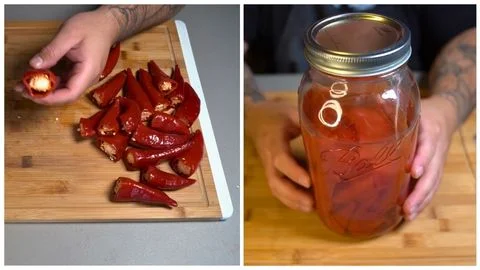
Wash 16 red Fresno peppers thoroughly under cool water and pat dry. Using a sharp knife, cut off the stem tops from each pepper. For a milder, more balanced Hooters buffalo sauce, slice each pepper lengthwise and use a small spoon to scrape out the seeds and white membranes-this removes most of the concentrated capsaicin while preserving the pepper’s fruity flesh where the true flavor resides. This step is crucial for achieving the restaurant’s characteristic moderate heat level rather than overwhelming spiciness.
Step 2: Create the Fermentation Brine
In a large measuring cup or bowl, combine 4.5 cups of filtered water (chlorine-free is essential, as chlorine can inhibit beneficial bacteria) with 3.5 tablespoons finely ground kosher salt. Stir vigorously until the salt completely dissolves, creating a 3-4% brine solution. This salt concentration is the sweet spot for lacto-fermentation: strong enough to prevent harmful bacteria while allowing beneficial Lactobacillus to thrive. Using filtered or boiled-and-cooled water ensures no contaminants interfere with fermentation.
Step 3: Pack and Submerge the Peppers
Transfer your prepared Fresno peppers into a clean half-gallon glass jar (avoid plastic, which can harbor bacteria). Pack them snugly but not crushed. Pour the brine over the peppers until they’re completely covered, leaving about one inch of headspace at the top. This is critical: any peppers exposed to air can develop mold. Place a fermentation weight, small ramekin, or a food-safe ziplock bag filled with extra brine on top to keep everything submerged. Cover loosely with a lid (don’t seal tightly, as fermentation produces CO2) or use an airlock lid if available.
Step 4: Ferment the Peppers (5-12 Days)
Place the jar in a cool, dark location away from direct sunlight-a pantry or cupboard works perfectly. Ideal fermentation temperature is 68-75°F. Check daily for the first few days: you should see small bubbles rising (CO2 from fermentation), and the brine may become cloudy or slightly discolored-these are positive signs. If you see fuzzy mold (not white film/kahm yeast), discard and start over. Ferment for at least 5 days for basic tanginess, or up to 12 days for deeper, more complex funky notes characteristic of premium Hooters buffalo sauce ingredients. Taste a small piece after day 5 to gauge your preference.
Step 5: Toast the Garlic and Create Infused Oil
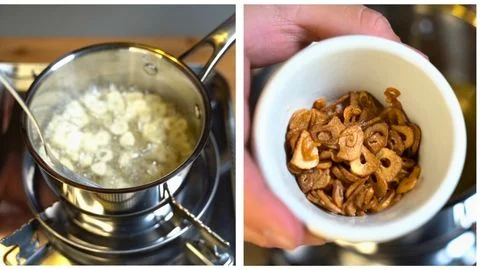
Pour ½ cup neutral oil (canola or vegetable) into a small saucepan over low-medium heat. Add 5 whole peeled garlic cloves (you can lightly crush them with the flat of a knife to release more flavor). Stir gently and constantly, watching closely as the garlic slowly turns golden brown-this takes 4-6 minutes. The goal is deep golden color and a nutty, sweet aroma, not dark brown or burnt garlic, which turns bitter. Once perfectly toasted, immediately strain the garlic from the oil, reserving both separately. The infused oil carries sweet garlic essence that enriches the final Hooters buffalo wing sauce recipe.
Step 6: Sauté the Vegetables
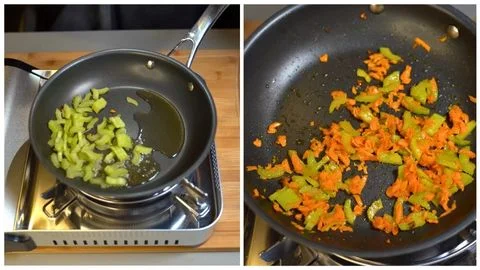
Heat a small drizzle of olive oil in a medium sauté pan over medium heat. Add the finely chopped half celery stick and shredded half carrot. Season with a small pinch of kosher salt to help draw out moisture and intensify flavors. Sauté for approximately 3 minutes, stirring occasionally, until the vegetables soften and become fragrant but don’t brown. The celery and carrot add subtle sweetness and body to the sauce, creating a more rounded flavor profile than peppers and vinegar alone. Remove from heat and set aside to cool slightly.
Step 7: Drain and Reserve the Fermentation Brine
After your peppers have fermented for your desired time (5-12 days), place a strainer over a bowl and pour the entire contents of the jar through it. Let the peppers drain completely, catching all the brine below. Measure out 4 tablespoons of this precious fermentation liquid and set aside-it contains concentrated umami, probiotics, and the tangy essence that makes this copycat Hooters buffalo sauce recipe special. You can save remaining brine for other fermented hot sauce projects or discard it.
Step 8: Blend the Base Sauce
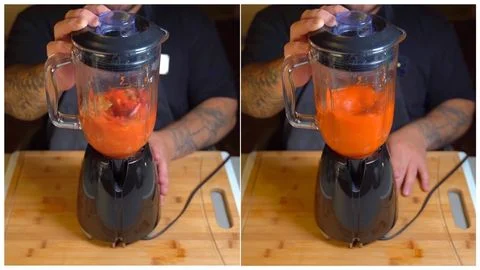
Add the following to your high-powered blender in this order (liquids first helps the blender work more efficiently): drained fermented peppers, toasted garlic cloves, ½ cup plus 2 tablespoons white distilled vinegar, 4 tablespoons reserved fermentation brine, and the sautéed celery and carrot. Secure the lid and blend on high speed for 60-90 seconds until completely smooth with no visible chunks. The mixture should be vibrant orange-red and uniform in texture.
Step 9: Emulsify with Infused Oil
With the blender running on medium speed, slowly drizzle in half of the reserved garlic-infused oil (approximately ¼ cup). This technique emulsifies the oil into the sauce, creating a silky, restaurant-quality texture rather than a separated, watery sauce. The oil also mellows the acidity and heat while adding richness. Blend for an additional 30 seconds until the sauce is glossy and completely homogeneous. This step transforms good Hooters buffalo sauce into exceptional sauce.
Step 10: Season and Adjust
Transfer a small amount of sauce to a spoon and taste carefully (it may be spicy!). Add kosher salt gradually, blending and tasting between additions, until the flavors pop and the sauce tastes balanced. Remember that salt enhances all flavors-the tanginess, the garlic sweetness, and even the perception of heat. Start with ½ teaspoon and adjust upward. The sauce should taste boldly seasoned on its own since it will coat neutral chicken wings. If too thick, thin with reserved brine; if too thin, the sauce will naturally thicken slightly as it cools.
Step 11: Store or Use Immediately
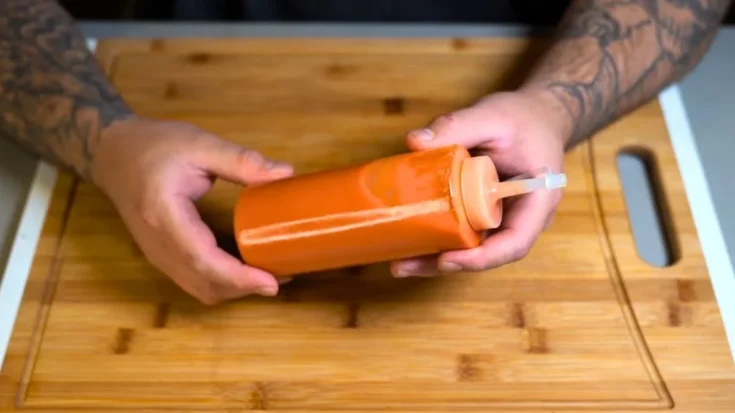
Transfer your finished how to make Hooters buffalo sauce creation to clean glass bottles or jars with tight-fitting lids. The sauce will keep refrigerated for up to 3 months thanks to the vinegar’s preservative qualities and fermentation acids. For immediate use on wings: toss freshly fried, still-hot wings in a large bowl with generous amounts of sauce, ensuring every surface is coated. The heat from the wings will slightly warm the sauce, releasing its aromatics beautifully.
Customization and Pairing for Serving Ideas
1. Heat Level Adjustments
The beauty of making Hooters buffalo sauce from scratch is complete control over spiciness. For a milder family-friendly version, remove all seeds and membranes from the Fresno peppers and reduce the quantity to 12 peppers, replacing the remaining volume with additional sautéed carrots for sweetness. For fire-breathers, add 2-4 cayenne or Thai chili peppers to the fermentation jar, or blend in ½ teaspoon cayenne powder at the end. You can also create a “hot-medium-mild” sauce trio by dividing the base and adjusting each batch differently for versatile serving options.
2. Beyond Chicken Wings
While this Hooters buffalo wing sauce recipe is designed for wings, its applications extend far beyond. Toss roasted cauliflower florets in the sauce for spectacular vegetarian buffalo “wings.” Use it as a bold pizza sauce base, swirl it into mac and cheese for buffalo chicken pasta, or mix it with mayonnaise to create an incredible sandwich spread or burger sauce. Drizzle over nachos, stir into scrambled eggs, or use as a dipping sauce for mozzarella sticks, French fries, or crispy fried pickles.
3. Classic Ranch and Blue Cheese Pairings
No buffalo sauce experience is complete without the right cooling accompaniment. Serve your copycat Hooters buffalo sauce recipe wings with homemade buttermilk ranch featuring fresh dill and chives, or a chunky blue cheese dressing made with quality Roquefort or Gorgonzola. For a lighter option, Greek yogurt-based tzatziki with cucumber and garlic provides refreshing contrast. The creamy, cooling elements balance the sauce’s heat and acidity while the fat content soothes your palate between bites.
4. Traditional Buffalo Platter Presentation
Create an authentic buffalo wing experience by serving your sauce-coated wings on a large platter lined with crisp celery sticks and thick carrot slices. The crunchy vegetables aren’t just garnish-they provide textural contrast and act as edible utensils for scooping up extra sauce and dressing. Add pickle spears for additional acidic crunch. For entertaining, arrange wings in the center surrounded by vegetables, with small bowls of ranch and blue cheese positioned strategically around the platter for easy access.
5. Buffalo Sauce Compound Butter
Elevate your Hooters buffalo sauce ingredients by creating a compound butter perfect for finishing steaks, melting over grilled corn, or tossing with popcorn. Bring ½ cup (1 stick) unsalted butter to room temperature, then beat in 3 tablespoons of your homemade buffalo sauce, 1 teaspoon honey, and a pinch of garlic powder. Roll into a log using parchment paper, refrigerate until firm, then slice into coins. This makes the sauce more versatile and creates an impressive flavor bomb for various dishes.
6. Sandwich and Wrap Applications
Transform ordinary sandwiches by incorporating your Hooters buffalo sauce into the construction. Mix equal parts buffalo sauce and mayonnaise for a buffalo aioli spread on grilled chicken sandwiches, or toss shredded rotisserie chicken with the sauce for quick buffalo chicken wraps. Layer buffalo-tossed crispy chicken tenders in a sub roll with lettuce, tomato, ranch dressing, and pickles for a legitimate restaurant-quality buffalo chicken sandwich. The fermented complexity of your homemade sauce makes these applications far superior to store-bought versions.
7. Game Day Trio: Three Sauce Variations
Create a game day spread by making three versions of the base recipe with different finishing touches. Keep one classic, make a second “garlic parmesan buffalo” by adding ½ cup grated Parmesan and extra roasted garlic after blending, and create a third “honey buffalo” variation by whisking in 2 tablespoons honey and a teaspoon of brown sugar for sweet-heat balance. Label each clearly and let guests choose their adventure. This approach showcases the versatility of your how to make Hooters buffalo sauce technique while accommodating different taste preferences.

Tips Section
1. Fermentation Safety and Success Indicators
The fermentation process for Hooters buffalo sauce relies on creating the right environment for beneficial Lactobacillus bacteria while preventing harmful microorganisms. Good fermentation signs include bubbles rising through the brine, a pleasantly sour smell (like pickles), cloudiness, and white sediment settling at the bottom. These indicate active lacto-fermentation. Bad signs include fuzzy mold (green, black, or pink), a putrid smell (versus sour), or slimy texture. The 3-4% salt brine is scientifically calculated to inhibit dangerous bacteria while allowing beneficial ones to thrive. If you’re nervous about fermentation, start with a shorter 5-day ferment-you’ll still get tanginess with less funk.
2. Why Fresno Peppers Create Superior Sauce
While many buffalo sauce recipes use cayenne pepper powder or generic hot sauce, Hooters buffalo sauce ingredients benefit enormously from fresh Fresno peppers. These medium-heat chilies (2,500-10,000 Scoville units) offer fruity, slightly smoky flavor with manageable heat-perfect for fermentation. Their thick flesh provides body to the sauce without needing thickeners. If Fresnos are unavailable, red jalapeños make an excellent substitute with similar heat and fruitiness. Avoid using only super-hot peppers like habaneros or ghost peppers, which create unbalanced heat that overwhelms the nuanced flavors fermentation develops.
3. The Science of Garlic Toasting
Toasting garlic in oil for your copycat Hooters buffalo sauce recipe isn’t just about flavor-it’s about chemistry. Raw garlic contains sharp, sulfurous compounds that can taste harsh in the finished sauce. Gently heating garlic in oil triggers the Maillard reaction, converting pungent allicin into sweet, nutty, caramelized compounds. The key is low, slow heat: too hot and you’ll burn the garlic, creating bitterness; too cool and you won’t develop those complex flavors. The perfect golden-brown color indicates you’ve hit the sweet spot where harshness transforms into sweet depth.
4. Blender Technique for Silky Texture
The difference between grainy, separated buffalo sauce and restaurant-quality smooth sauce comes down to blending technique. Always add liquids to the blender first (vinegar, brine) before solids-this helps the blades move freely and creates better circulation. Blend in 60-second intervals, allowing the motor to rest between bursts to prevent overheating. When adding the infused oil, pour it in a thin, steady stream with the blender running on medium speed-this creates a proper emulsion where oil droplets suspend uniformly throughout the sauce rather than separating. High-powered blenders (Vitamix, Blendtec) work best, but regular blenders succeed with patience.
5. Adjusting Acidity and Heat Post-Fermentation
The beauty of this Hooters buffalo wing sauce recipe is its adaptability after fermentation completes. If your finished sauce tastes too sour, add 1-2 teaspoons of honey or light brown sugar to balance acidity without making it sweet. If it’s too mild, blend in ½ teaspoon cayenne powder or a few dashes of your favorite hot sauce. Too salty? Dilute slightly with water or additional vinegar. Too thin? Simmer gently in a saucepan for 5-10 minutes to reduce and concentrate flavors. Always make adjustments in small increments, blending and tasting between additions-you can always add more but can’t take it away.
6. Wing Preparation for Maximum Sauce Adhesion
Even the best Hooters buffalo sauce falls flat if it doesn’t properly coat your wings. For maximum adhesion, wings must be completely dry before frying or baking-pat them thoroughly with paper towels, then air-dry uncovered in the refrigerator for 2-4 hours or overnight. This dries the skin, promoting crispiness and better sauce grip. After cooking, let wings rest on a wire rack for 60 seconds (not paper towels, which create steam and sogginess), then immediately toss in sauce while still piping hot-the heat helps the sauce adhere and slightly thins it for even coating. For extra insurance, toss wings in a large bowl rather than pouring sauce over them, ensuring complete coverage.
7. Storage and Flavor Development Over Time
Your homemade how to make Hooters buffalo sauce actually improves with age. Store in glass bottles or jars (never plastic, which can absorb flavors and leach chemicals) with tight-fitting lids in the refrigerator. During the first week, flavors meld and mellow as the garlic integrates and the sharp vinegar bite softens. The sauce peaks in flavor around day 10-14 and maintains quality for up to 3 months thanks to vinegar’s natural preservation and the fermentation acids. You may notice slight separation over time-simply shake vigorously before using. If you notice the heat mellowing too much during storage, you can refresh it by stirring in a small amount of cayenne powder. Never store at room temperature after opening, as the sautéed vegetables can spoil without refrigeration.
Storage and Reheating Guidance
Store Hooters buffalo sauce in airtight glass bottles or jars in the refrigerator for up to 3 months. The high vinegar content and fermentation acids act as natural preservatives. Shake well before each use as slight separation is normal. The sauce doesn’t require reheating before tossing with hot wings, but if using as a warm dipping sauce, gently heat in a small saucepan over low heat, stirring frequently.
Common Queries and FAQs Section
Q: Can I skip the fermentation step and make this sauce quickly?
A: While you can create a quick version by using fresh Fresno peppers without fermenting, you’ll lose the complex tangy depth that makes this copycat Hooters buffalo sauce recipe special. Fermentation develops umami, probiotics, and that characteristic funky acidity that distinguishes premium buffalo sauces. If time is critical, you could ferment for just 3-4 days for minimal tang, but the 5-12 day range produces superior results worth the wait.
Q: What if I don’t have Fresno peppers-can I use other varieties?
A: Absolutely! Red jalapeños are the closest substitute, offering similar heat and fruitiness. Red serrano peppers work but bring more heat. In a pinch, you can even use a mix of red bell peppers (for body and sweetness) with a few cayenne peppers (for heat). Avoid using only green peppers, which lack the sweetness and visual appeal of ripe red varieties essential to authentic Hooters buffalo sauce ingredients.
Q: Is the white film on my fermentation normal or dangerous?
A: A thin white film on the surface (called kahm yeast) is harmless and common in vegetable fermentation. It’s not mold-it won’t hurt you but can impart off-flavors if left too long. Simply skim it off with a clean spoon and ensure peppers stay submerged. Fuzzy mold in colors like green, black, or pink indicates contamination and requires discarding the batch and starting fresh.
Q: How can I make this sauce thicker or thinner?
A: For thicker Hooters buffalo wing sauce recipe consistency, simmer the finished sauce in a saucepan over low heat for 10-15 minutes to reduce liquid and concentrate flavors. Alternatively, blend in 1-2 tablespoons of tomato paste for body and subtle sweetness. For thinner sauce, add reserved fermentation brine one tablespoon at a time, or use additional white vinegar for a sharper, thinner coating sauce.
Q: Can I make a larger batch and preserve it long-term?
A: Yes! This how to make Hooters buffalo sauce recipe scales beautifully. Double or triple the ingredients proportionally, maintaining the same fermentation time. For long-term storage beyond 3 months, you can hot water bath can the sauce in sterilized jars (process pint jars for 15 minutes), though this will kill the beneficial probiotics from fermentation. Properly canned, the sauce lasts 12+ months in the pantry.
Q: Why does my sauce taste too vinegary or sour?
A: Over-fermentation (beyond 12 days) or too much vinegar in the final blend can create excessive sourness. Balance this by adding 1-2 teaspoons honey, agave, or light brown sugar to round out the acidity without making the sauce sweet. You can also add a tablespoon of the garlic-infused oil (the remaining half you didn’t use) to mellow the sharpness. For future batches, reduce vinegar to ½ cup total or ferment for fewer days.
Q: Can I use this sauce on foods other than wings?
A: Absolutely! This versatile Hooters buffalo sauce works beautifully on grilled chicken breasts, tossed with shrimp before roasting, drizzled over pizza, mixed into pulled pork, stirred into mac and cheese, used as a sandwich spread, or as a dipping sauce for virtually any fried food. Its complex fermented flavor profile makes it superior to bottled sauces for any application requiring tangy heat.
Hooters Buffalo Sauce Recipe
If you’ve ever craved the tangy, perfectly balanced heat of Hooters buffalo sauce and wondered what makes it taste so uniquely complex, the secret lies in fermentation. This copycat Hooters buffalo sauce recipe goes beyond the standard hot sauce-and-butter combo to create a deeply flavorful, restaurant-quality wing sauce from scratch.
Ingredients
- 16 red Fresno peppers (1–1.25 lbs / 450–550g)
- 4.5 cups (1 liter) filtered water
- 3.5 tablespoons finely ground kosher salt
- ½ cup neutral oil (canola or vegetable oil)
- 5 garlic cloves, peeled
- ½ celery stick, finely chopped
- ½ carrot, shredded or finely chopped
- Small drizzle of olive oil
- Pinch of kosher salt
- All fermented peppers (drained)
- Toasted garlic cloves (from above)
- ½ cup + 2 tablespoons (150 ml) white distilled vinegar
- 4 tablespoons reserved fermentation brine
- Sautéed celery and carrot
- Half of the garlic-infused oil
- Kosher salt to taste
- Chicken wings (amount as desired)
- Oil for frying
- Additional brine ingredients: grated garlic, black peppercorns
Instructions
Step 1: Prepare the Peppers for Fermentation
Wash 16 red Fresno peppers thoroughly under cool water and pat dry. Using a sharp knife, cut off the stem tops from each pepper. For a milder, more balanced Hooters buffalo sauce, slice each pepper lengthwise and use a small spoon to scrape out the seeds and white membranes-this removes most of the concentrated capsaicin while preserving the pepper’s fruity flesh where the true flavor resides. This step is crucial for achieving the restaurant’s characteristic moderate heat level rather than overwhelming spiciness.
Step 2: Create the Fermentation Brine
In a large measuring cup or bowl, combine 4.5 cups of filtered water (chlorine-free is essential, as chlorine can inhibit beneficial bacteria) with 3.5 tablespoons finely ground kosher salt. Stir vigorously until the salt completely dissolves, creating a 3-4% brine solution. This salt concentration is the sweet spot for lacto-fermentation: strong enough to prevent harmful bacteria while allowing beneficial Lactobacillus to thrive. Using filtered or boiled-and-cooled water ensures no contaminants interfere with fermentation.
Step 3: Pack and Submerge the Peppers
Transfer your prepared Fresno peppers into a clean half-gallon glass jar (avoid plastic, which can harbor bacteria). Pack them snugly but not crushed. Pour the brine over the peppers until they’re completely covered, leaving about one inch of headspace at the top. This is critical: any peppers exposed to air can develop mold. Place a fermentation weight, small ramekin, or a food-safe ziplock bag filled with extra brine on top to keep everything submerged. Cover loosely with a lid (don’t seal tightly, as fermentation produces CO2) or use an airlock lid if available.
Step 4: Ferment the Peppers (5-12 Days)
Place the jar in a cool, dark location away from direct sunlight-a pantry or cupboard works perfectly. Ideal fermentation temperature is 68-75°F. Check daily for the first few days: you should see small bubbles rising (CO2 from fermentation), and the brine may become cloudy or slightly discolored-these are positive signs. If you see fuzzy mold (not white film/kahm yeast), discard and start over. Ferment for at least 5 days for basic tanginess, or up to 12 days for deeper, more complex funky notes characteristic of premium Hooters buffalo sauce ingredients. Taste a small piece after day 5 to gauge your preference.
Step 5: Toast the Garlic and Create Infused Oil
Pour ½ cup neutral oil (canola or vegetable) into a small saucepan over low-medium heat. Add 5 whole peeled garlic cloves (you can lightly crush them with the flat of a knife to release more flavor). Stir gently and constantly, watching closely as the garlic slowly turns golden brown-this takes 4-6 minutes. The goal is deep golden color and a nutty, sweet aroma, not dark brown or burnt garlic, which turns bitter. Once perfectly toasted, immediately strain the garlic from the oil, reserving both separately. The infused oil carries sweet garlic essence that enriches the final Hooters buffalo wing sauce recipe.
Step 6: Sauté the Vegetables
Heat a small drizzle of olive oil in a medium sauté pan over medium heat. Add the finely chopped half celery stick and shredded half carrot. Season with a small pinch of kosher salt to help draw out moisture and intensify flavors. Sauté for approximately 3 minutes, stirring occasionally, until the vegetables soften and become fragrant but don’t brown. The celery and carrot add subtle sweetness and body to the sauce, creating a more rounded flavor profile than peppers and vinegar alone. Remove from heat and set aside to cool slightly.
Step 7: Drain and Reserve the Fermentation Brine
After your peppers have fermented for your desired time (5-12 days), place a strainer over a bowl and pour the entire contents of the jar through it. Let the peppers drain completely, catching all the brine below. Measure out 4 tablespoons of this precious fermentation liquid and set aside-it contains concentrated umami, probiotics, and the tangy essence that makes this copycat Hooters buffalo sauce recipe special. You can save remaining brine for other fermented hot sauce projects or discard it.
Step 8: Blend the Base Sauce
Add the following to your high-powered blender in this order (liquids first helps the blender work more efficiently): drained fermented peppers, toasted garlic cloves, ½ cup plus 2 tablespoons white distilled vinegar, 4 tablespoons reserved fermentation brine, and the sautéed celery and carrot. Secure the lid and blend on high speed for 60-90 seconds until completely smooth with no visible chunks. The mixture should be vibrant orange-red and uniform in texture.
Step 9: Emulsify with Infused Oil
With the blender running on medium speed, slowly drizzle in half of the reserved garlic-infused oil (approximately ¼ cup). This technique emulsifies the oil into the sauce, creating a silky, restaurant-quality texture rather than a separated, watery sauce. The oil also mellows the acidity and heat while adding richness. Blend for an additional 30 seconds until the sauce is glossy and completely homogeneous. This step transforms good Hooters buffalo sauce into exceptional sauce.
Step 10: Season and Adjust
Transfer a small amount of sauce to a spoon and taste carefully (it may be spicy!). Add kosher salt gradually, blending and tasting between additions, until the flavors pop and the sauce tastes balanced. Remember that salt enhances all flavors-the tanginess, the garlic sweetness, and even the perception of heat. Start with ½ teaspoon and adjust upward. The sauce should taste boldly seasoned on its own since it will coat neutral chicken wings. If too thick, thin with reserved brine; if too thin, the sauce will naturally thicken slightly as it cools.
Step 11: Store or Use Immediately
Transfer your finished how to make Hooters buffalo sauce creation to clean glass bottles or jars with tight-fitting lids. The sauce will keep refrigerated for up to 3 months thanks to the vinegar’s preservative qualities and fermentation acids. For immediate use on wings: toss freshly fried, still-hot wings in a large bowl with generous amounts of sauce, ensuring every surface is coated. The heat from the wings will slightly warm the sauce, releasing its aromatics beautifully.
Notes
Store Hooters buffalo sauce in airtight glass bottles or jars in the refrigerator for up to 3 months. The high vinegar content and fermentation acids act as natural preservatives. Shake well before each use as slight separation is normal. The sauce doesn’t require reheating before tossing with hot wings, but if using as a warm dipping sauce, gently heat in a small saucepan over low heat, stirring frequently.
Nutrition Information:
Yield:
4Serving Size:
1Amount Per Serving: Calories: 50
The fermentation step might seem unusual, but it’s what separates mediocre buffalo sauce from the complex, crave-worthy version that keeps you reaching for another wing. Whether you’re hosting game day gatherings, meal-prepping wing night, or simply elevating your everyday cooking, mastering how to make Hooters buffalo sauce gives you a versatile condiment that far surpasses anything in a bottle. The effort invested in those 5-12 fermentation days pays delicious dividends for months to come.
I’d love to hear your thoughts-leave a comment on the blog and let me know How it came out! Don’t forget to follow me on Pinterest, Facebook and YouTube for more delicious updates. Your support truly means everything to me.