


Searching for an authentic piggy soup recipe that captures the comforting essence of traditional Polish cooking without all the rolling and folding leads right here.
This piggie soup transforms classic cabbage roll flavors into a rich, one-pot wonder that’s been warming bellies for generations. Known in various cultures as sup babi or unstuffed cabbage soup, this recipe delivers all the savory satisfaction of golumpki in a fraction of the time.
Whether you’re looking for a recipe for piggy soup that rivals piggy soup allrecipes favorites or seeking that authentic resep sup babi your grandmother used to make, this hearty bowl will become your new cold-weather staple.
What Does Piggy Soup Taste Like?
Piggy soup delivers a deeply savory, umami-rich flavor profile that balances tangy tomato with sweet cabbage and hearty beef. The broth is velvety and robust, with hints of butter enriching every spoonful.

Each bite brings tender cabbage that melts in your mouth, fluffy rice that absorbs the aromatic broth, and well-seasoned ground beef crumbles. The gentle sweetness from caramelized onions mingles with the slight acidity of tomatoes, while black pepper and optional cayenne add a subtle warmth.
Fresh parsley brightens the dish, cutting through the richness. The overall taste is comforting, nostalgic, and supremely satisfying-like a warm hug from your Polish babcia.
Piggy Soup Recipe Ingredients and Kitchen Utensils
For the Soup:
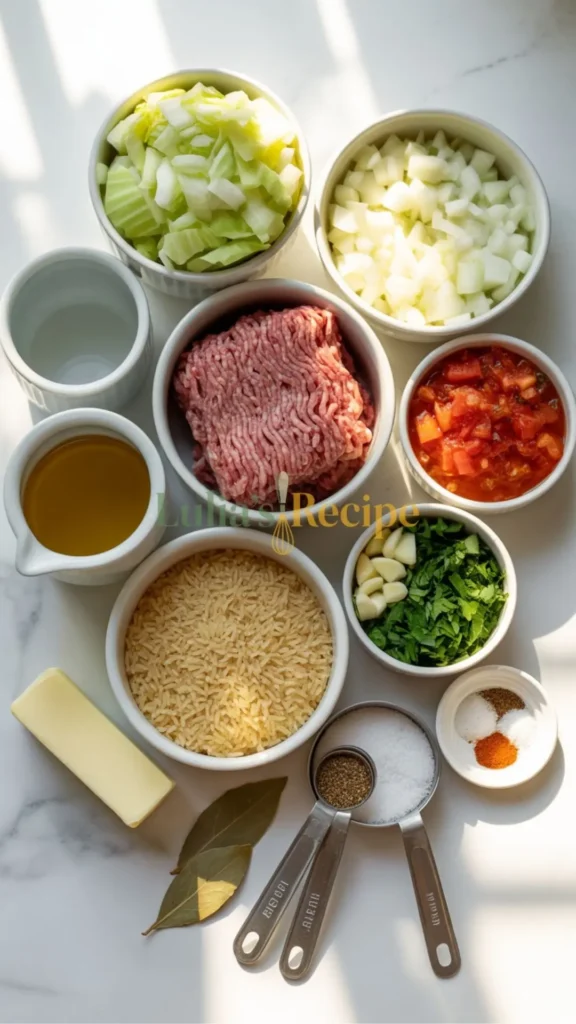
- 1 head green cabbage, chopped into bite-sized pieces
- 1 stick unsalted butter
- 1 medium yellow onion, diced
- 1 tsp kosher salt (plus more to taste)
- 1 lb ground beef
- Freshly ground black pepper (to taste)
- 1/4 tsp cayenne pepper (optional)
- 1 bay leaf
- 2 cups beef broth (plus extra as needed)
- 1 jar (about 24 oz) crushed tomatoes or tomato puree
- 1 1/2 cups water
- 1 cup uncooked Basmati or long-grain rice
- 1 bunch fresh Italian parsley, chopped (divided)
For Garlic Fix (if forgotten):
- 2 tbsp butter
- 3–4 cloves garlic, minced
- 1/2 cup beef broth
Kitchen Utensils
- Large heavy-bottomed pot or Dutch oven
- Sharp chef’s knife
- Cutting board
- Wooden spoon or spatula
- Measuring cups and spoons
- Small sauté pan (for garlic fix)
- Ladle
Preparation and Cooking Time
- Prep Time: 15 minutes
- Cook Time: 1 hour 30 minutes
- Total Time: 1 hour 45 minutes
- Servings: 6-8 hearty bowls
Piggy Soup Recipe Instructions
Step 1: Prepare the Cabbage
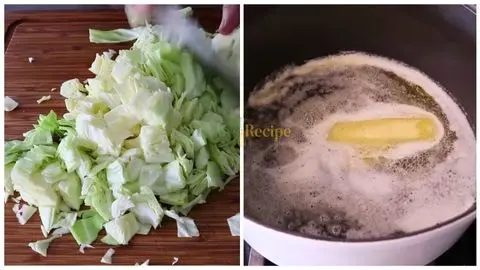
Slice the cabbage in half, remove the core, and chop it into 1–1.5 inch strips. Then cut those into bite-sized pieces. Set aside in a large bowl.
Step 2: Build the Flavor Base
In a large pot, melt a stick of butter over medium-high heat. Add diced onion and salt, stirring for 4–5 minutes until the onion becomes translucent and fragrant.
Step 3: Brown the Ground Beef
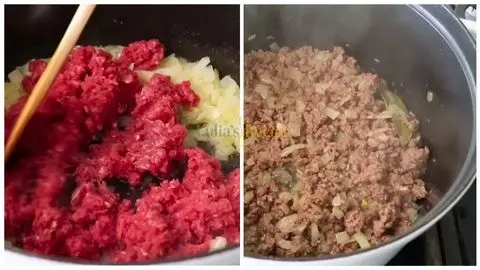
Add ground beef to the pot and cook for 5–6 minutes, breaking it up into small crumbles with your wooden spoon. You want small, even pieces that will distribute throughout the soup.
Step 4: Season with Love
Stir in freshly ground black pepper, cayenne pepper (if using), and bay leaf. Give it a good stir-it’s part of the Polish grandma ritual and helps bloom the spices.
Step 5: Add Broth and Bring to Boil
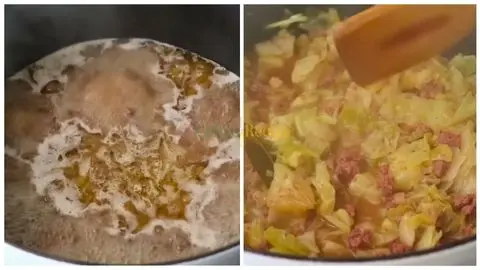
Pour in 2 cups of beef broth and bring to a rolling boil. Don’t skim the fat-it adds essential flavor and richness to your piggie soup.
Step 6: Cook the Cabbage
Stir in your chopped cabbage. Let it cook for 10–15 minutes uncovered on medium heat. This step is crucial-adding cabbage before the tomatoes keeps it tender rather than tough.
Step 7: Add Tomatoes and Simmer
Pour in your crushed tomatoes. Rinse the tomato jar or measuring cup with 1½ cups of water and add that liquid too. Stir well to combine. Let the soup simmer gently for about 50 minutes, uncovered, stirring occasionally.

Step 8: Add Rice and Parsley
Stir in your uncooked rice and half the chopped parsley. Simmer for 20 more minutes until the rice is fully tender. Add more broth or water if the soup thickens too much-you want it soupy, not stew-like.

Step 9: Final Seasoning
Taste and adjust seasoning with salt, pepper, and more cayenne if you like extra heat. Stir in the remaining parsley and turn off the heat.
Step 10: The Garlic Fix (Optional but Recommended)
In a small pan, melt 2 tbsp butter and sauté minced garlic for 30 seconds until fragrant. Pour in 1/2 cup beef broth and simmer for 2 minutes. Stir this garlicky mixture into the soup-your grandmother will forgive you for this extra step!

Step 11: Serve
Ladle the piggy soup into bowls, top with extra parsley, and enjoy your no-roll cabbage roll masterpiece!
Customization and Pairing Ideas for Serving
1. Protein Variations
While traditional piggie soup uses ground beef, you can customize the protein to suit your preferences. Try ground pork for a more authentic sup babi flavor, or combine half beef and half pork for richness. Ground turkey or chicken creates a lighter version, though you’ll want to add extra butter for flavor. For a heartier twist, use Italian sausage removed from casings-the fennel and herbs add wonderful complexity to the broth.
2. Grain Substitutions
Beyond traditional white rice, experiment with different grains in your recipe for piggy soup. Brown rice adds nuttiness but requires 10 extra minutes of cooking. Cauliflower rice makes it low-carb and adds only 5 minutes before serving. Pearl barley creates an even heartier texture reminiscent of Eastern European krupnik. Wild rice brings earthiness, while quinoa offers protein and cooks quickly.
3. Spice Level Adjustments
Customize the heat to match your family’s preferences. For mild piggy soup allrecipes style, omit the cayenne entirely. For medium heat, add a pinch of red pepper flakes along with the cayenne. Spice lovers can stir in a tablespoon of harissa paste or a diced jalapeño with the onions. A dash of smoked paprika adds warmth without heat, perfect for those who want flavor complexity without the burn.
4. Vegetable Additions
Boost nutrition and flavor by adding more vegetables to your piggie recipe. Diced carrots and celery added with the onions create a mirepoix base. Chopped bell peppers contribute sweetness and color. Mushrooms add umami depth-sauté them separately first for better texture. A handful of fresh spinach or kale stirred in at the end adds vitamins and beautiful color. Diced potatoes make it even more filling, though they’ll absorb broth, so add extra liquid.
5. Serving Accompaniments
Piggy soup pairs beautifully with crusty bread for dipping-sourdough, rye, or garlic bread all work wonderfully. Serve with a dollop of sour cream on top for tangy richness, similar to how mtori soup is sometimes garnished. Sprinkle with freshly grated Parmesan or aged cheddar for extra savory depth. A side of pickled vegetables or cucumber salad provides refreshing contrast to the rich broth. For a complete Polish meal, serve alongside pierogi or potato pancakes.
6. Creamier Variations
For those who prefer a creamier piggie soup, stir in half a cup of heavy cream during the last 10 minutes of cooking. Alternatively, blend one cup of the finished soup and stir it back in to create a partially pureed, velvety texture. A spoonful of cream cheese or sour cream swirled into each bowl adds tanginess. For a dairy-free option, coconut cream provides richness without changing the flavor too dramatically.
7. Make-Ahead and Batch Cooking
This recipe for piggy soup is perfect for meal prep and actually tastes better the next day as flavors meld. Double the recipe and freeze half in portions for quick weeknight dinners. The soup freezes beautifully for up to 3 months-just undercook the rice slightly if freezing, as it will continue softening when reheated. For slow cooker adaptation, brown the meat and onions first, then transfer everything to a crockpot and cook on low for 6-7 hours, adding rice during the last 30 minutes on high.

Essential Tips for Perfect Piggy Soup
1. Don’t Skip the Butter
Authentic piggy soup recipes rely on butter, not oil, for their characteristic richness and silky mouthfeel. The butter creates a velvety base that coats every ingredient and carries flavors beautifully. While it might seem excessive, that full stick of butter is traditional in Polish cooking and makes the difference between good soup and grandmother-approved greatness. If you’re watching calories, you can reduce to 6 tablespoons, but don’t eliminate it entirely. The fat also helps your body absorb fat-soluble vitamins from the cabbage and tomatoes.
2. Cabbage Timing is Critical
Adding cabbage before the acidic tomatoes is the secret to tender, sweet cabbage rather than tough, bitter pieces. Acid firms up cabbage cell walls, so those 10-15 minutes of cooking in broth allow it to soften properly. Cut your cabbage into uniform bite-sized pieces so they cook evenly-pieces that are too large stay crunchy while small shreds disintegrate. Remove the core completely as it’s tough and woody. For extra sweetness, choose fresh, crisp cabbage with tightly packed leaves rather than loose, older heads.
3. Break Up Beef into Small Crumbles
The texture of your ground beef matters significantly in piggie soup. Use your wooden spoon or spatula to break the meat into very small, fine crumbles as it cooks-think smaller than a chickpea. These tiny pieces distribute evenly throughout the soup and create a better eating experience in every spoonful. Avoid letting large chunks form, as they’re less pleasant texture-wise and don’t match the tender cabbage and rice. If you accidentally create large pieces, break them up further as the soup simmers.
4. Rice Absorption Strategy
Uncooked rice added directly to soup continues absorbing liquid even after you turn off the heat. Start checking your piggy soup at 15 minutes after adding rice-it should be tender but the soup should still be brothy, not thick like stew. Keep extra beef broth warm on the side to add if needed. If you’re making this piggie recipe ahead, slightly undercook the rice as it will continue softening during storage. For leftovers, you’ll almost always need to add more liquid when reheating since the rice keeps absorbing moisture.
5. Layer Your Seasonings
Don’t add all your salt at once-build seasoning in layers for complex flavor. Salt the onions first to draw out moisture and enhance sweetness. Season the beef as it browns. Add the bay leaf early so it infuses the broth throughout cooking. Taste before adding rice and adjust. Finally, taste again at the end and make final corrections. This layering technique, common in traditional sup babi recipes, creates depth that one-time seasoning can’t achieve. Remember that canned broth and tomatoes contain sodium, so start conservatively.
6. The Garlic Fix Saves Everything
If you realize you forgot garlic (or want extra flavor), that quick garlic butter broth addition is transformative. The butter mellows the raw garlic edge while the beef broth thins it for easy distribution. Add it during the last few minutes so the garlic stays bright and aromatic rather than bitter. This technique works for other forgotten aromatics too-try it with fresh ginger, extra herbs, or even a splash of Worcestershire sauce. It’s also perfect for adjusting a batch that tastes flat or needs more depth.
7. Patience with Simmering
Resist the urge to rush your piggy soup allrecipes style by cranking up the heat. That 50-minute gentle simmer allows the cabbage to become meltingly tender, the beef to become more flavorful, and all the elements to marry into one cohesive dish. A rolling boil makes the cabbage mushy and breaks down the tomatoes into nothing. Medium-low heat with occasional bubbles is perfect. Leave the pot uncovered so excess moisture evaporates and flavors concentrate. Stir every 15 minutes or so to prevent sticking, especially near the bottom where tomatoes can catch and burn.

Storage and Reheating Guidance
Store leftover piggy soup in airtight containers in the refrigerator for up to 4 days. The rice will continue absorbing liquid, so add extra beef broth or water when reheating. Reheat gently on the stovetop over medium-low heat, stirring occasionally until heated through. For frozen storage, cool completely and freeze in portion-sized containers for up to 3 months; thaw overnight in the refrigerator before reheating.
Common Queries and FAQs
Here, we’ve got you covered with some common questions that people often ask.
Can I make piggy soup in a slow cooker?
Yes! Brown the beef and onions in a skillet first, then transfer to your slow cooker with all other ingredients except rice. Cook on low for 6-7 hours. Add the uncooked rice during the last 30-40 minutes on high heat until tender. The slow cooker method makes the cabbage incredibly tender and develops deep flavors.
Why is it called piggy soup or piggie soup?
The name likely comes from the Polish “golabki” (stuffed cabbage rolls), which are sometimes playfully called “little piggies.” This deconstructed version maintains all the classic flavors in soup form. In some regions, it’s also called unstuffed cabbage soup or cabbage roll soup. The Indonesian “sup babi” literally translates to “pork soup,” representing similar comfort food traditions.
Can I make this recipe vegetarian?
Absolutely! Replace ground beef with plant-based ground meat, cooked lentils, or finely chopped mushrooms. Use vegetable broth instead of beef broth. Add a tablespoon of tomato paste and a splash of soy sauce to boost umami flavors that the beef would normally provide. The cooking method remains the same.
What type of cabbage works best for piggie soup?
Green cabbage is traditional and provides the best texture and sweetness for this recipe. Savoy cabbage works well too and becomes even more tender. Avoid red cabbage as it will turn the soup purple and has a stronger flavor. Napa cabbage cooks too quickly and becomes mushy, though you can use it if you reduce cooking time significantly.
My soup is too thick-how do I fix it?
The rice absorbs considerable liquid as it cooks and during storage. Simply add more beef broth or water, a half cup at a time, until you reach your desired consistency. Heat through after adding liquid. This is completely normal, especially with leftover piggy soup, and easy to correct. Some families prefer it thicker like stew, while others want it brothier-adjust to your preference.
Can I use pre-cooked rice instead of uncooked?
While you can add cooked rice, it won’t have the same texture or flavor since it won’t absorb the seasoned broth. If using leftover rice, add it during the last 5 minutes just to heat through. You’ll need less liquid in the recipe overall. For best results, always use uncooked rice that can simmer in the flavorful broth and become tender while absorbing all those delicious seasonings.
What can I substitute for crushed tomatoes?
Tomato sauce works well, though it’s thinner so reduce the added water to 1 cup. Diced tomatoes create a chunkier texture-blend half if you prefer smoother soup. Tomato puree makes it very smooth and rich. In a pinch, use 6 tablespoons tomato paste mixed with 2 cups water, though flavor won’t be quite as bright. Fresh tomatoes aren’t recommended as they lack concentration and sweetness.
How do I prevent the cabbage from being too soft or mushy?
Cut cabbage into larger bite-sized pieces rather than shredding it finely. Don’t overcook during the initial 10-15 minute phase before adding tomatoes. Maintain a gentle simmer rather than a rolling boil. If you prefer firmer cabbage, reduce the initial cooking time to 8-10 minutes. Remember that the cabbage continues softening as the soup simmers, so start checking texture around 40 minutes into the tomato-simmering phase.
Piggy Soup Recipe

Searching for an authentic piggy soup recipe that captures the comforting essence of traditional Polish cooking without all the rolling and folding leads right here. This piggie soup transforms classic cabbage roll flavors into a rich, one-pot wonder that’s been warming bellies for generations. Known in various cultures as sup babi or unstuffed cabbage soup, this recipe delivers all the savory satisfaction of golumpki in a fraction of the time.
Ingredients
- 1 head green cabbage, chopped into bite-sized pieces
- 1 stick unsalted butter
- 1 medium yellow onion, diced
- 1 tsp kosher salt (plus more to taste)
- 1 lb ground beef
- Freshly ground black pepper (to taste)
- 1/4 tsp cayenne pepper (optional)
- 1 bay leaf
- 2 cups beef broth (plus extra as needed)
- 1 jar (about 24 oz) crushed tomatoes or tomato puree
- 1 1/2 cups water
- 1 cup uncooked Basmati or long-grain rice
- 1 bunch fresh Italian parsley, chopped (divided)
- 2 tbsp butter
- 3–4 cloves garlic, minced
- 1/2 cup beef broth
Instructions
Step 1: Prepare the Cabbage
Slice the cabbage in half, remove the core, and chop it into 1–1.5 inch strips. Then cut those into bite-sized pieces. Set aside in a large bowl.
Step 2: Build the Flavor Base
In a large pot, melt a stick of butter over medium-high heat. Add diced onion and salt, stirring for 4–5 minutes until the onion becomes translucent and fragrant.
Step 3: Brown the Ground Beef
Add ground beef to the pot and cook for 5–6 minutes, breaking it up into small crumbles with your wooden spoon. You want small, even pieces that will distribute throughout the soup.
Step 4: Season with Love
Stir in freshly ground black pepper, cayenne pepper (if using), and bay leaf. Give it a good stir-it’s part of the Polish grandma ritual and helps bloom the spices.
Step 5: Add Broth and Bring to Boil
Pour in 2 cups of beef broth and bring to a rolling boil. Don’t skim the fat-it adds essential flavor and richness to your piggie soup.
Step 6: Cook the Cabbage
Stir in your chopped cabbage. Let it cook for 10–15 minutes uncovered on medium heat. This step is crucial-adding cabbage before the tomatoes keeps it tender rather than tough.
Step 7: Add Tomatoes and Simmer
Pour in your crushed tomatoes. Rinse the tomato jar or measuring cup with 1½ cups of water and add that liquid too. Stir well to combine. Let the soup simmer gently for about 50 minutes, uncovered, stirring occasionally.
Step 8: Add Rice and Parsley
Stir in your uncooked rice and half the chopped parsley. Simmer for 20 more minutes until the rice is fully tender. Add more broth or water if the soup thickens too much-you want it soupy, not stew-like.
Step 9: Final Seasoning
Taste and adjust seasoning with salt, pepper, and more cayenne if you like extra heat. Stir in the remaining parsley and turn off the heat.
Step 10: The Garlic Fix (Optional but Recommended)
In a small pan, melt 2 tbsp butter and sauté minced garlic for 30 seconds until fragrant. Pour in 1/2 cup beef broth and simmer for 2 minutes. Stir this garlicky mixture into the soup-your grandmother will forgive you for this extra step!
Step 11: Serve
Ladle the piggy soup into bowls, top with extra parsley, and enjoy your no-roll cabbage roll masterpiece!
Notes
Store leftover piggy soup in airtight containers in the refrigerator for up to 4 days. The rice will continue absorbing liquid, so add extra beef broth or water when reheating. Reheat gently on the stovetop over medium-low heat, stirring occasionally until heated through. For frozen storage, cool completely and freeze in portion-sized containers for up to 3 months; thaw overnight in the refrigerator before reheating.
Nutrition Information:
Yield:
4Serving Size:
1Amount Per Serving: Calories: 210
I’d love to hear your thoughts-leave a comment on the blog and let me know How it came out! Don’t forget to follow me on Pinterest, Facebook and YouTube for more delicious updates. Your support truly means everything to me.