
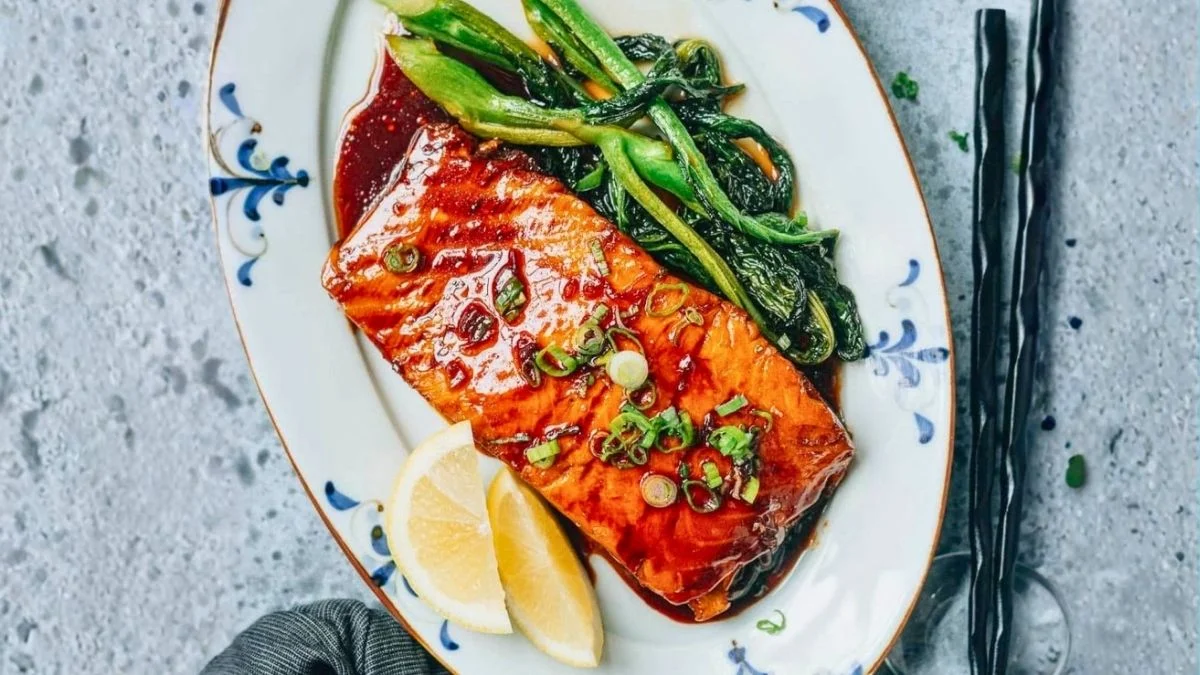
There’s something magical about restaurant-style salmon that makes you wonder if you could ever recreate it at home.
The good news? This copycat Fresh Kitchen salmon recipe brings that same buttery, citrus-kissed perfection straight to your dinner table.
With just a handful of fresh ingredients and a simple technique, you’ll master how to make Fresh Kitchen salmon that rivals any upscale eatery.
The secret lies in the golden brown butter sauce infused with bright lemon zest and juice – a combination that transforms ordinary salmon into an extraordinary meal.
Whether you’re looking for easy recipes for salmon on busy weeknights or planning an impressive dinner, this best fresh kitchen salmon recipe delivers every single time.
What Does It Taste Like?
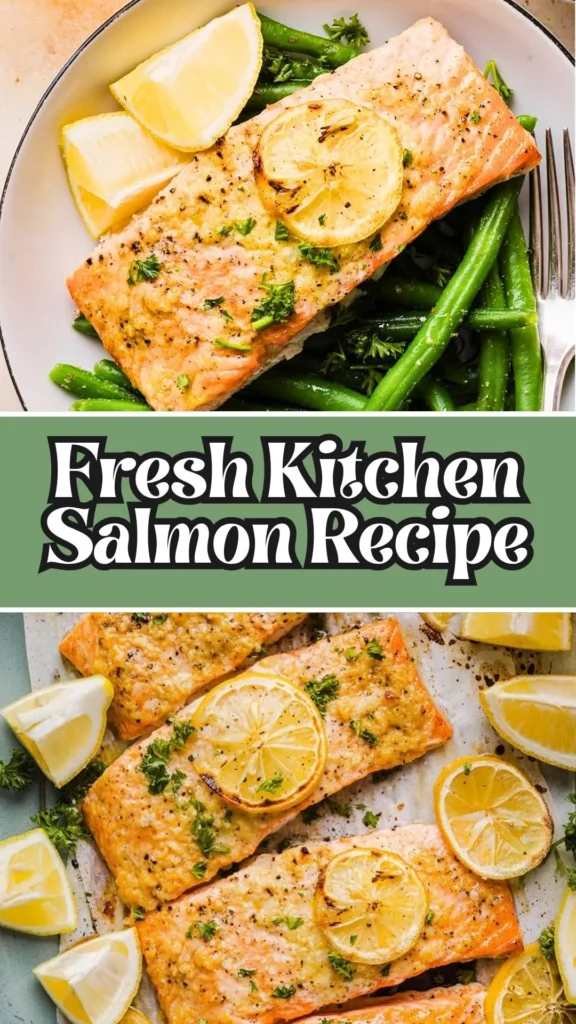
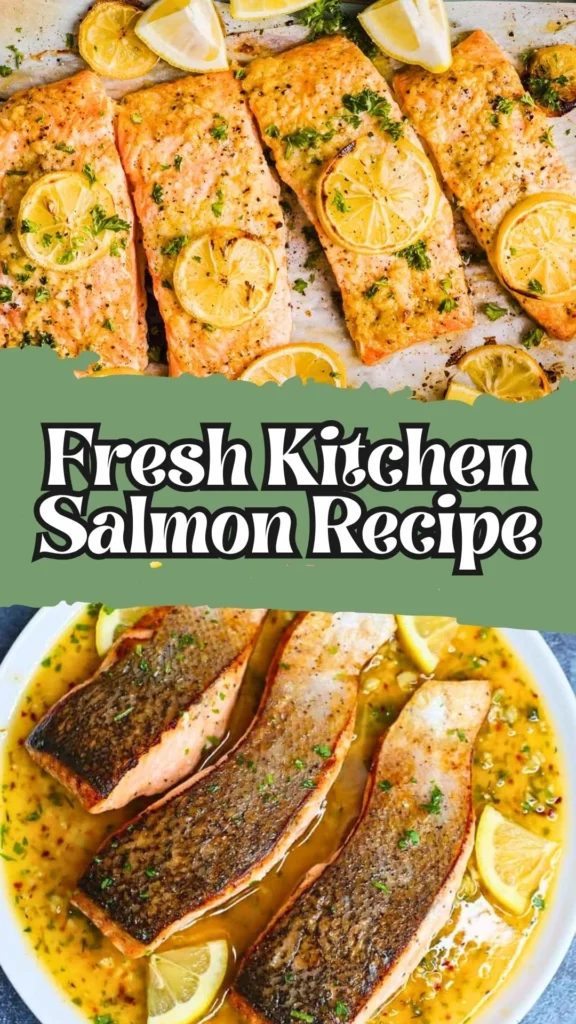
Imagine tender, flaky salmon with a perfectly caramelized exterior, swimming in a nutty brown butter sauce that’s been brightened with fresh lemon.
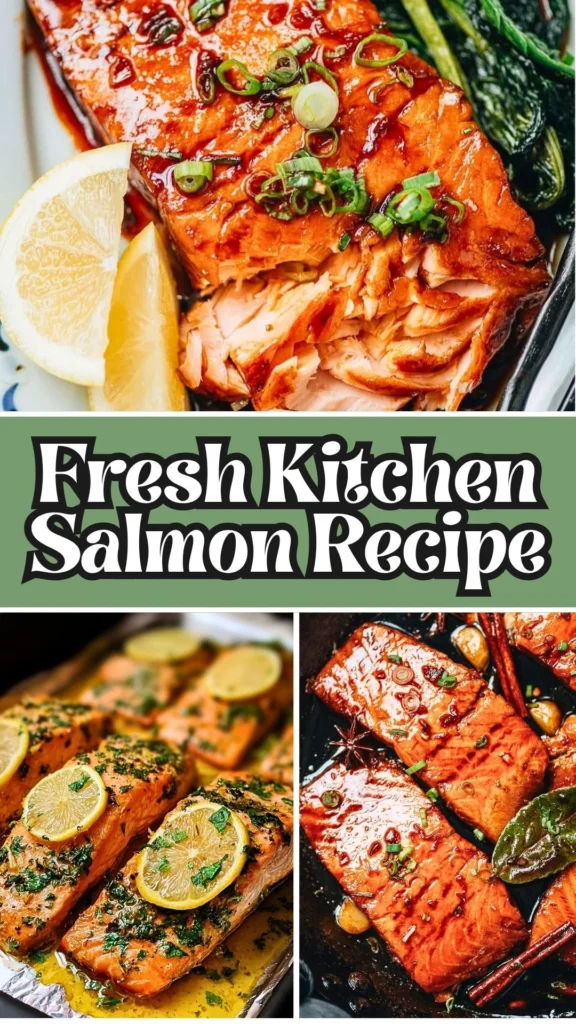
Each bite offers a beautiful balance – the richness of the butter plays against the salmon’s natural oils, while the lemon zest adds aromatic citrus notes and the juice cuts through with tangy brightness. The fish itself remains moist and succulent, with a delicate texture that practically melts on your tongue.
There’s a subtle nuttiness from the browned butter that adds depth and sophistication, while fresh herbs provide an earthy finish. It’s restaurant-quality indulgence with a refreshing, clean taste profile.
Fresh Kitchen Salmon Ingredients You’ll Need
For the Salmon:
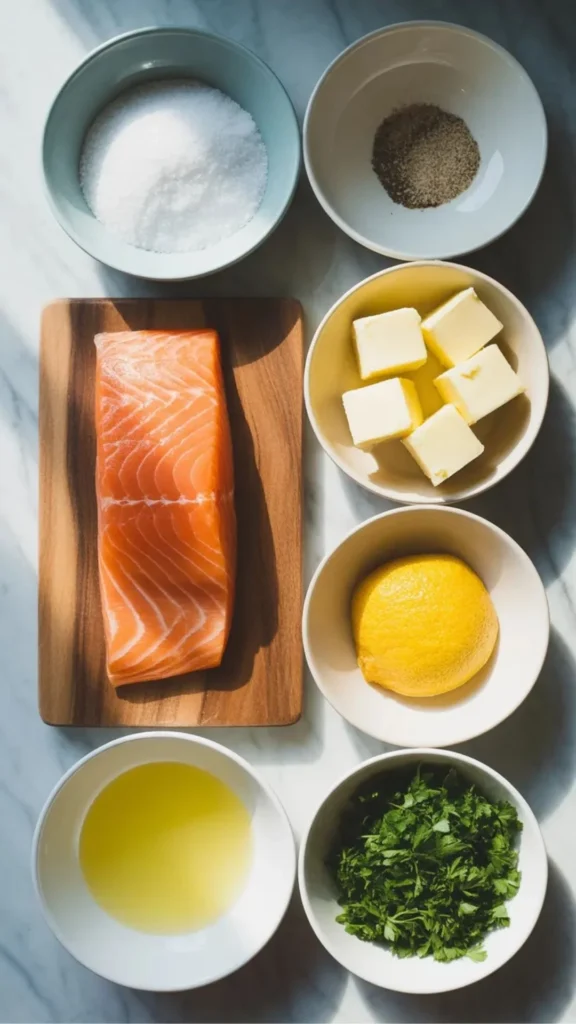
- 1 lb+ salmon (cut into 4 fillets)
- ½ teaspoon salt
- ⅛ teaspoon black pepper
The Lemon Brown Butter Sauce:
- 4 tablespoons unsalted butter
- 1 teaspoon fresh lemon zest (from 1 lemon)
- 4 tablespoons fresh lemon juice (from 2 lemons)
Garnish:
- Fresh parsley or dill, chopped
Essential Kitchen Utensils
- Large light-colored skillet or sauté pan
- Microplane or fine grater (for lemon zest)
- Citrus juicer or fork
- Fish spatula or flexible turner
- Small prep bowls
- Measuring spoons
- Cutting board
- Sharp knife
Preparation and Cooking Time
Prep Time: 5 minutes
Cook Time: 10 minutes
Total Time: 15 minutes
Servings: 4 people
How to Make Fresh Kitchen Salmon: Step-by-Step Fresh Kitchen Salmon Recipe Instructions
Step 1: Season and Prep
Pat the salmon fillets completely dry with paper towels – this helps achieve a better sear. Season both sides of each fillet generously with ½ teaspoon salt and ⅛ teaspoon black pepper.
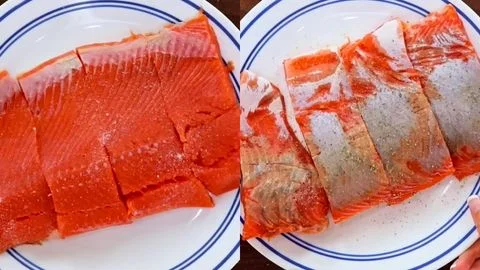
Let the seasoned salmon rest at room temperature while you prepare the citrus components.
Step 2: Prepare the Lemon Components
Using a microplane or fine grater, zest 1 lemon to collect 1 teaspoon of bright yellow zest, avoiding the bitter white pith. Cut and juice 2 lemons to yield 4 tablespoons of fresh juice.
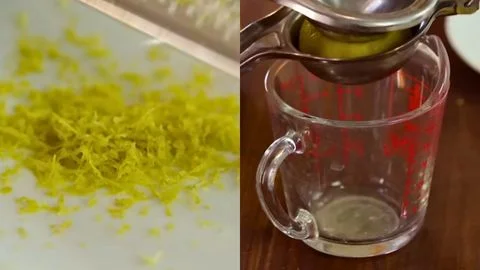
Have everything measured and ready near your stovetop – this recipe moves quickly once you start cooking.
Step 3: Brown the Butter
Place your large, light-colored pan over medium heat and add 4 tablespoons of unsalted butter. The light-colored pan is crucial as it helps you monitor the butter’s color transformation. Stir and swirl the pan frequently as the butter melts, foams, and begins to brown.

Watch carefully for about 5 minutes until you see golden-brown milk solids settling at the bottom and smell a nutty, toasted aroma.
Step 4: Sear the Salmon
Carefully add the seasoned salmon fillets to the browned butter, skin-side up if your fillets have skin. You should hear an immediate sizzle.
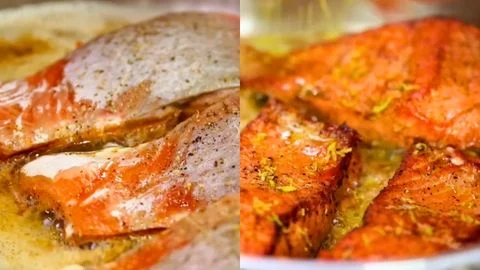
Cook undisturbed for 3–4 minutes on the first side, allowing a golden crust to develop. Resist the urge to move them around.
Step 5: Flip and Add Citrus
Using a fish spatula, gently flip each fillet to cook the second side for 2–3 minutes. The salmon should release easily when it’s ready to flip. During the last 2 minutes of cooking, add the 1 teaspoon lemon zest and 4 tablespoons lemon juice directly to the pan, creating an aromatic sauce.
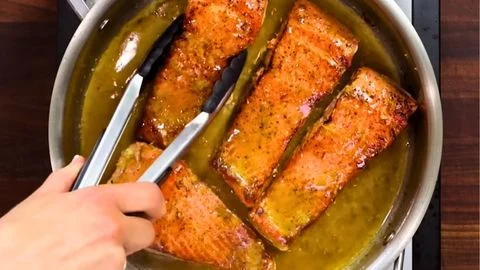
Step 6: Baste and Finish
Tilt the pan slightly and use a spoon to continuously baste the salmon with the lemon brown butter sauce. This step infuses the fish with incredible flavor and helps cook it evenly. The salmon is done when it reaches an internal temperature of 145°F and flakes easily with a fork.
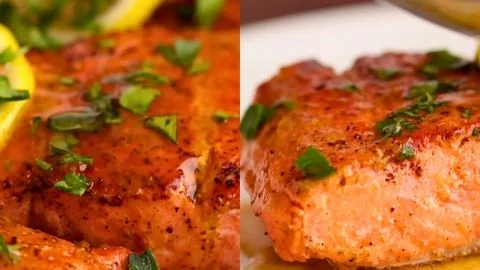
Step 7: Plate and Serve
Transfer the salmon fillets to your serving plates. Pour every last drop of that precious lemon brown butter sauce over the top – it’s liquid gold! Garnish with freshly chopped parsley or dill for a pop of color and herbaceous flavor. Serve immediately while the sauce is still warm and glossy.
Customization and Pairing Ideas for Serving
1. Mediterranean Twist
Transform this fresh kitchen salmon recipe easy by adding capers, sun-dried tomatoes, and olives to the brown butter sauce. Serve alongside Greek-style lemon roasted potatoes and a crisp cucumber-tomato salad. The briny flavors complement the rich salmon beautifully, creating a coastal Mediterranean feast.
2. Asian-Inspired Fusion
Give your copycat Fresh Kitchen salmon an Asian flair by substituting lime for lemon and adding fresh ginger, garlic, and a splash of soy sauce to the butter. Pair with jasmine rice, steamed bok choy, and sesame-crusted green beans. Top with sliced scallions and toasted sesame seeds for textural contrast.
3. Herb Garden Variation
Elevate the best fresh kitchen salmon recipe by creating a compound herb butter using fresh thyme, rosemary, and tarragon alongside the parsley. This aromatic combination pairs wonderfully with garlic mashed potatoes, roasted asparagus, and sautéed mushrooms for an elegant dinner party meal.
4. Spicy Kick Enhancement
Add red pepper flakes or a pinch of cayenne to the brown butter for those who love heat. Serve with coconut rice to balance the spice, alongside grilled pineapple salsa and charred broccolini. The sweet and spicy combination creates an exciting flavor profile.
5. Creamy Comfort Pairing
Serve your salmon over a bed of creamy risotto or cauliflower puree, with roasted Brussels sprouts and honey-glazed carrots on the side. The creamy base soaks up the lemon butter sauce magnificently, creating ultimate comfort food with a sophisticated twist.
6. Light and Fresh Option
For a lighter approach, serve these recipes for salmon over mixed greens dressed with a simple vinaigrette, alongside quinoa tabbouleh and grilled zucchini ribbons. Add cherry tomatoes, cucumber slices, and avocado for a nutrient-packed, refreshing meal.
7. Brunch Transformation
Turn breakfast into something special by serving the salmon over scrambled eggs or atop a toasted bagel with cream cheese, capers, and red onion. Add roasted breakfast potatoes and fresh fruit for a complete brunch spread that impresses.
Expert Tips for Perfect Restaurant-Style Salmon
1. Choose Quality Salmon
The foundation of any great salmon recipe starts with selecting the freshest fish possible. Look for firm, vibrant fillets with no fishy odor – they should smell clean and ocean-fresh. Wild-caught salmon typically offers firmer texture and richer flavor, while farm-raised tends to be fattier and milder. For this copycat Fresh Kitchen salmon recipe, aim for center-cut fillets of uniform thickness (about 1 to 1.5 inches) to ensure even cooking. If you notice any pin bones, remove them with clean tweezers before seasoning.
2. Master the Brown Butter Technique
Browning butter is the secret weapon in learning how to make Fresh Kitchen salmon that tastes professional. Use a light-colored pan so you can clearly see the color change from yellow to golden brown. The process takes patience – keep the heat at medium and watch carefully. You’ll notice three stages: melting, foaming (as water evaporates), and finally browning (when milk solids caramelize). The butter is perfectly browned when it smells nutty and the milk solids are golden brown, not black. If it burns, start over – burnt butter tastes bitter and will ruin the dish.
3. Don’t Overcrowd the Pan
When cooking salmon fillets, give them space to breathe. Overcrowding drops the pan temperature, causing the fish to steam rather than sear, which prevents that desirable golden crust from forming. If your pan can’t comfortably fit all four fillets with space between them, cook in two batches. Keep the first batch warm in a low oven (200°F) while finishing the second batch. This simple adjustment makes a huge difference in achieving restaurant-quality results.
4. Perfect Your Flip Timing
One of the most common mistakes in recipes for salmon is flipping too early. Wait until the salmon naturally releases from the pan – if it’s sticking, it’s not ready. You should see the sides of the fillet turning opaque about two-thirds of the way up before attempting to flip. Use a thin fish spatula and slide it confidently under the fillet in one smooth motion. If your fillet breaks apart, it either wasn’t ready to flip or your spatula wasn’t thin enough to get underneath cleanly.
5. Temperature Control is Everything
Medium heat is your friend for this fresh kitchen salmon recipe easy approach. Too high, and the butter will burn before the salmon cooks through; too low, and you won’t achieve proper caramelization. If you have an instant-read thermometer, aim for an internal temperature of 145°F for USDA-recommended doneness, or 125-130°F if you prefer your salmon slightly translucent in the center (medium-rare). Remember that carryover cooking will raise the temperature another 5 degrees after removing from heat.
6. Zest Before Juicing
This simple kitchen wisdom applies to all citrus preparations: always zest your lemons before cutting and juicing them. A whole lemon is much easier to zest than halves or squeezed rinds. Use only the bright yellow outer layer – the white pith underneath is bitter and will negatively impact your best fresh kitchen salmon recipe. Fresh zest contains aromatic oils that provide intense lemon flavor without the acidity, creating beautiful complexity in the sauce.
7. Embrace the Basting Technique
Professional chefs know that basting is the secret to moist, flavorful fish. During those final two minutes of cooking, continuously spoon the lemon brown butter sauce over the salmon fillets. This technique, called arroser in French cooking, serves multiple purposes: it adds flavor, helps cook the top of the fish evenly, creates a glossy finish, and keeps the salmon incredibly moist. Tilt your pan to pool the sauce and use a large spoon for efficient basting.
Storage and Reheating Guidance
Store leftover salmon in an airtight container in the refrigerator for up to 2 days. Reheat gently in a 275°F oven for 10-12 minutes or in a covered skillet over low heat with a splash of water to prevent drying out. The lemon butter sauce can be stored separately and gently rewarmed.
Common Questions About Fresh Kitchen Salmon Recipe
Your guide to frequently asked Fresh Kitchen Salmon Recipe questions and answers.
Can I use frozen salmon for this recipe?
Yes, you can use frozen salmon, but proper thawing is essential for the best results. Thaw frozen fillets overnight in the refrigerator, never at room temperature or in hot water, which can compromise texture and food safety. Once thawed, pat the salmon extremely dry with paper towels – frozen fish tends to release more moisture. Excess moisture will prevent proper browning and can cause dangerous splattering when the fish hits the hot butter. Fresh salmon typically yields better texture and flavor, but quality frozen salmon works well when fresh isn’t available.
What type of salmon works best for this copycat Fresh Kitchen salmon recipe?
Atlantic, sockeye, coho, and king salmon all work beautifully for this preparation. Sockeye offers vibrant color and firm texture with a rich flavor, while king salmon (also called Chinook) provides buttery, melt-in-your-mouth fattiness. Atlantic salmon is milder and widely available, making it perfect for weeknight cooking. Coho strikes a nice balance between flavor and affordability. Choose based on your preference and budget – the cooking technique remains the same regardless of variety.
How do I know when the salmon is perfectly cooked?
The salmon is done when it reaches an internal temperature of 145°F and flakes easily when gently pressed with a fork. The flesh should be opaque throughout with a slightly translucent center if you prefer it medium. Another visual cue: the white protein (albumin) will begin to appear on the surface when the fish is nearly done. For this fresh kitchen salmon recipe easy method, cooking times are 3-4 minutes per side for 1-inch thick fillets. Thicker cuts need an extra minute or two.
Can I make this recipe without butter?
While butter is essential to the authentic brown butter flavor, you can substitute ghee (clarified butter) for a dairy-free option with a similar nutty taste. Olive oil or avocado oil can work in a pinch, though you’ll miss the distinctive brown butter nuttiness that makes this recipe special. If using oil, add a bit more lemon zest to compensate for the lost richness. The cooking method remains identical, but monitor carefully as oils have different smoking points than butter.
What should I do if my butter burns?
If your butter turns black or smells acrid rather than nutty, it’s burned and will taste bitter. Immediately remove the pan from heat, discard the burnt butter, wipe the pan clean, and start over with fresh butter. To prevent burning, use medium heat (not high), stir constantly, and watch the color carefully. A light-colored pan helps you monitor the browning process. Remember, brown butter goes from perfect to burnt in seconds, so stay attentive during those final moments.
Can I prepare components ahead of time?
Absolutely! Season your salmon fillets up to 4 hours ahead and refrigerate covered. Zest and juice your lemons and store them in separate small containers in the refrigerator. Chop your fresh herbs and keep them in a damp paper towel in the fridge. However, the actual cooking of this best fresh kitchen salmon recipe should be done fresh and served immediately for optimal taste and texture. The entire cooking process only takes 10 minutes, so save that step for right before serving.
Why is a light-colored pan recommended?
A light-colored pan allows you to see the butter browning properly. Dark or non-stick pans make it nearly impossible to judge when the milk solids have reached that perfect golden-brown stage. Stainless steel or light-colored ceramic pans work best for browning butter. You’ll be able to see the transformation from pale yellow to amber to deep golden brown, preventing the common mistake of burning the butter.
What can I substitute for fresh lemon?
Fresh lemon is truly best for recipes for salmon like this one, but if you’re in a pinch, bottled lemon juice can work (use the same measurements). However, you’ll lose the aromatic essential oils from fresh zest, which provide significant flavor complexity. Lime can substitute for lemon with a slightly different citrus profile. Orange offers a sweeter alternative. Avoid using only bottled juice without fresh zest, as the dish will lack the bright, aromatic quality that makes it special.
How do I prevent the salmon from sticking to the pan?
Ensure your salmon is completely dry before seasoning – moisture causes sticking. Make sure the butter is hot and properly browned before adding the fish. Don’t move the fillets once they hit the pan – let them develop a proper crust, which naturally releases from the surface. Using enough fat (the 4 tablespoons butter) creates a barrier between fish and pan. A well-seasoned stainless steel pan or quality non-stick surface also helps prevent sticking.
Can I double this recipe for a larger crowd?
Yes, but you’ll need to work in batches to avoid overcrowding. Use two large skillets simultaneously, or cook in batches and keep finished fillets warm in a 200°F oven while preparing the rest. Make the brown butter sauce separately in a small saucepan for easier scaling. Double all ingredients proportionally, and remember that cooking time per fillet remains the same – only the number of batches changes. This copycat Fresh Kitchen salmon recipe scales beautifully for entertaining.
Is skin-on or skinless salmon better for this recipe?
Either works perfectly! Skin-on salmon provides extra protection against overcooking and adds richness. If using skin-on, place it skin-side down first to crisp it up, then flip. The skin can be removed after cooking if desired, or eaten for added texture and nutrients. Skinless fillets are slightly more delicate but cook evenly and absorb the brown butter sauce beautifully. Choose based on personal preference – the how to make Fresh Kitchen salmon technique adapts to both.
What wine pairs well with this lemon butter salmon?
A crisp, unoaked Chardonnay complements the buttery richness while echoing the citrus notes. Sauvignon Blanc offers bright acidity that cuts through the fat beautifully. Pinot Grigio provides a lighter option that won’t overpower the delicate fish. For red wine lovers, a light-bodied Pinot Noir can work surprisingly well with salmon. If you’re serving this as part of a special dinner, Champagne or sparkling wine creates an elegant pairing that celebrates the dish’s restaurant-quality sophistication.
Fresh Kitchen Salmon Recipe
There’s something magical about restaurant-style salmon that makes you wonder if you could ever recreate it at home. The good news? This copycat Fresh Kitchen salmon recipe brings that same buttery, citrus-kissed perfection straight to your dinner table. With just a handful of fresh ingredients and a simple technique, you’ll master how to make Fresh Kitchen salmon that rivals any upscale eatery.
Ingredients
- 1 lb+ salmon
- ½ teaspoon salt
- ⅛ teaspoon black pepper
- 4 tablespoons unsalted butter
- 1 teaspoon fresh lemon zest
- 4 tablespoons fresh lemon juice
- Fresh parsley or dill, chopped
Instructions
Step 1: Season and Prep
Pat the salmon fillets completely dry with paper towels – this helps achieve a better sear. Season both sides of each fillet generously with ½ teaspoon salt and ⅛ teaspoon black pepper. Let the seasoned salmon rest at room temperature while you prepare the citrus components.
Step 2: Prepare the Lemon Components
Using a microplane or fine grater, zest 1 lemon to collect 1 teaspoon of bright yellow zest, avoiding the bitter white pith. Cut and juice 2 lemons to yield 4 tablespoons of fresh juice. Have everything measured and ready near your stovetop – this recipe moves quickly once you start cooking.
Step 3: Brown the Butter
Place your large, light-colored pan over medium heat and add 4 tablespoons of unsalted butter. The light-colored pan is crucial as it helps you monitor the butter’s color transformation. Stir and swirl the pan frequently as the butter melts, foams, and begins to brown. Watch carefully for about 5 minutes until you see golden-brown milk solids settling at the bottom and smell a nutty, toasted aroma.
Step 4: Sear the Salmon
Carefully add the seasoned salmon fillets to the browned butter, skin-side up if your fillets have skin. You should hear an immediate sizzle. Cook undisturbed for 3–4 minutes on the first side, allowing a golden crust to develop. Resist the urge to move them around.
Step 5: Flip and Add Citrus
Using a fish spatula, gently flip each fillet to cook the second side for 2–3 minutes. The salmon should release easily when it’s ready to flip. During the last 2 minutes of cooking, add the 1 teaspoon lemon zest and 4 tablespoons lemon juice directly to the pan, creating an aromatic sauce.
Step 6: Baste and Finish
Tilt the pan slightly and use a spoon to continuously baste the salmon with the lemon brown butter sauce. This step infuses the fish with incredible flavor and helps cook it evenly. The salmon is done when it reaches an internal temperature of 145°F and flakes easily with a fork.
Step 7: Plate and Serve
Transfer the salmon fillets to your serving plates. Pour every last drop of that precious lemon brown butter sauce over the top – it’s liquid gold! Garnish with freshly chopped parsley or dill for a pop of color and herbaceous flavor. Serve immediately while the sauce is still warm and glossy.
Notes
Store leftover salmon in an airtight container in the refrigerator for up to 2 days. Reheat gently in a 275°F oven for 10-12 minutes or in a covered skillet over low heat with a splash of water to prevent drying out. The lemon butter sauce can be stored separately and gently rewarmed.
Nutrition Information:
Yield:
6Serving Size:
1Amount Per Serving: Calories: 180
This copycat Fresh Kitchen salmon recipe proves that restaurant-quality meals don’t require complicated techniques or hard-to-find ingredients. With just a few simple steps, you’ve mastered how to make Fresh Kitchen salmon that’s elegant enough for special occasions yet quick enough for Tuesday dinner.
The combination of nutty brown butter and bright citrus creates a sauce so delicious, you’ll find yourself making extra just to drizzle over vegetables. Now that you’ve discovered the best fresh kitchen salmon recipe, it’s time to head to the kitchen and treat yourself to this impressive yet easy dish. Your taste buds will thank you!
I’d love to hear your thoughts-leave a comment on the blog and let me know How it came out! Don’t forget to follow me on Pinterest, Facebook and YouTube for more delicious updates. Your support truly means everything to me.