
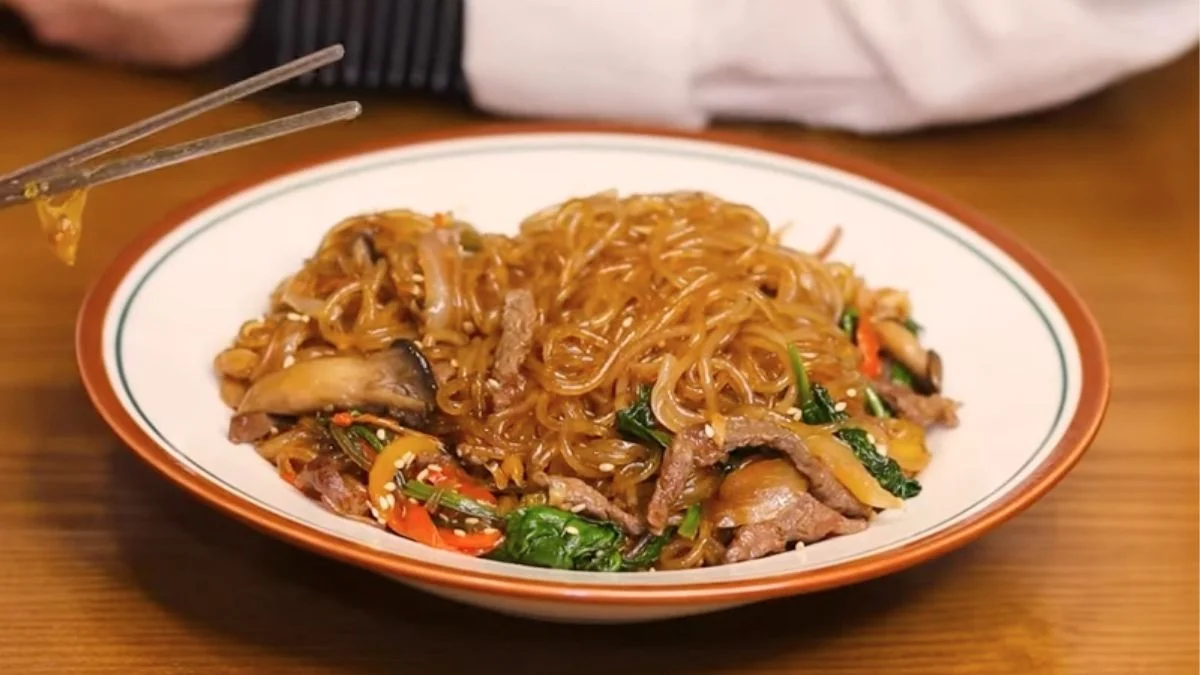
If you have been searching for the perfect fresh kitchen sweet potato noodles recipe, your search ends right here. These silky, chewy glass noodles tossed with tender beef, colorful vegetables, and a savory sesame soy sauce are the kind of dish that looks impressive but comes together surprisingly fast.
Inspired by the beloved fresh kitchen sweet potato noodles bowl, this copycat version captures every element of that authentic Korean Japchae flavor you crave – without the complicated steps.
Whether you are cooking for a busy weeknight dinner or meal-prepping for the week ahead, this recipe delivers bold, restaurant-quality results every single time. Let’s get into it.
What Do Fresh Kitchen Sweet Potato Noodles Taste Like?
Fresh kitchen sweet potato noodles deliver a beautifully balanced flavor experience that is savory, slightly sweet, nutty, and deeply satisfying all at once. The glass noodles themselves are mild and wonderfully chewy, absorbing the rich sesame soy sauce like a dream.
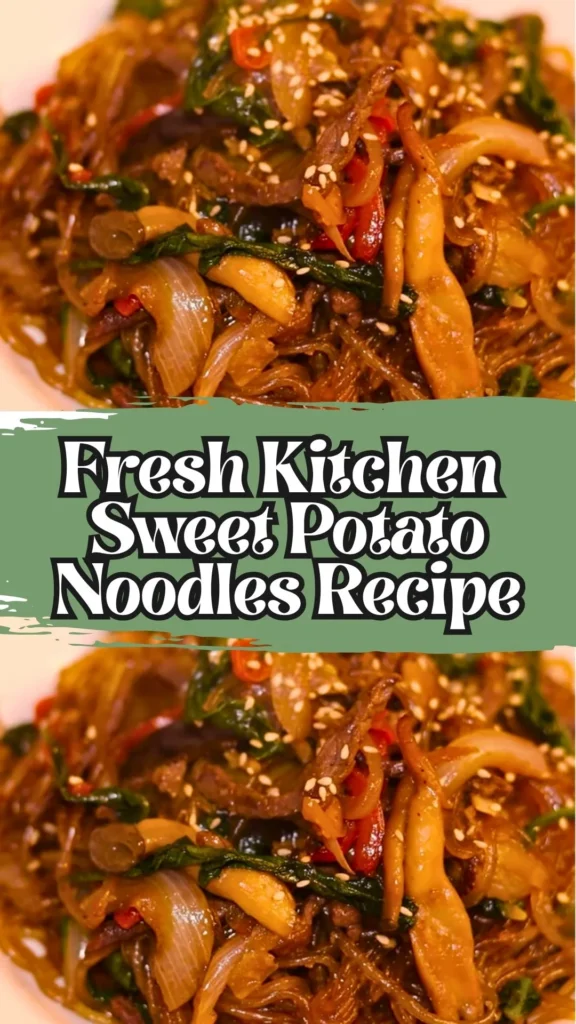
Tender slices of marinated beef add a savory, umami-forward depth, while the stir-fried bell peppers, oyster mushrooms, and onions bring sweetness, earthiness, and a gentle bite.
A finishing drizzle of sesame oil ties every element together with a warm, toasty fragrance. The result is a vibrant, well-rounded noodle bowl that feels both comforting and fresh in every forkful.
Ingredients for Fresh Kitchen Sweet Potato Noodles
Noodles
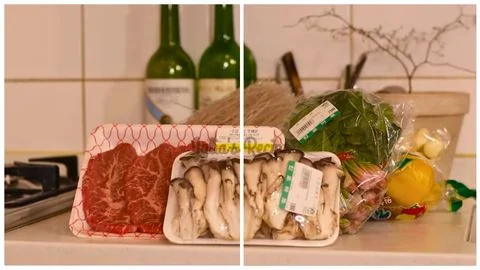
- Sweet potato starch noodles (glass noodles) -quantity based on servings
Protein
- Beef, sliced into thin strips
Vegetables
- Fresh spinach, cleaned with root ends removed
- Oyster mushrooms, rinsed and pulled into bite-sized strips
- 1 medium onion, sliced into thin half-moons
- Bell peppers (red, yellow, or mixed), sliced into thin strips
Aromatics
- 5 cloves of garlic, finely chopped
Sauce and Seasoning
- Soy sauce (¼ cup for the final toss, plus 2 spoons for the beef marinade)
- Sesame oil (2–3 spoons for the final toss, plus 1 spoon for the marinade)
- Sugar (1 spoon for marinade, plus 1 spoon for stir-fry seasoning)
- Black pepper, to taste
- Salt, to taste
- Sesame seeds for garnish
Kitchen Utensils You Will Need
- Large pot for boiling noodles and spinach
- Colander or strainer for draining
- Large mixing bowl
- Small bowl for marinating beef
- Sharp knife and cutting board
- Large skillet or wok
- Tongs or chopsticks for tossing
- Wooden spoon or spatula
- Serving plate or bowl
Preparation Time, Cooking Time, and Servings
- Preparation Time: 15 minutes
- Marinating Time: 10–15 minutes
- Cooking Time: 15–20 minutes
- Total Time: Approximately 40–45 minutes
- Servings: 2–3 servings
How to Make Fresh Kitchen Sweet Potato Noodles: Step-by-Step Instructions
1. Cook the noodles and spinach
Bring a large pot of water to a boil. Add the sweet potato starch noodles and spinach together, making sure both are fully submerged. Cook until the noodles reach your desired softness and the spinach is wilted. Drain, give the spinach an extra rinse under cold water, and transfer both the noodles and spinach into a large mixing bowl. Set aside.
2. Marinate the beef
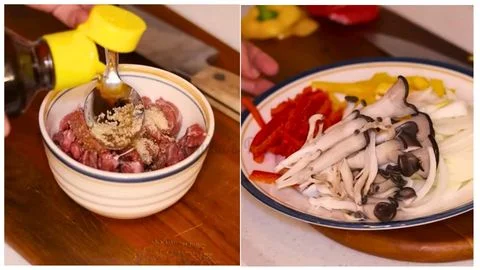
Slice the beef into thin strips and place in a small bowl. Add 2 spoons of soy sauce, 1 spoon of sugar, and 1 spoon of sesame oil. Toss to coat evenly and set aside to marinate while you prepare the vegetables.
3. Prepare all the vegetables
Halve the bell peppers, remove the seeds, and slice into thin strips. Peel and slice the onion into thin half-moons. Rinse the oyster mushrooms and gently pull them apart by hand into bite-sized strips. Finely chop all five cloves of garlic and set everything aside.
4. Stir-fry the beef and vegetables
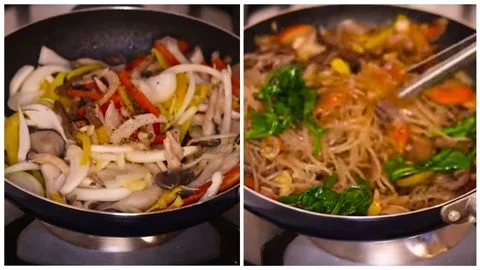
Heat a large skillet or wok over medium-high heat. Add the marinated beef and stir-fry until the color begins to change and it is mostly cooked through. Add the bell peppers, onions, oyster mushrooms, and garlic to the pan. Season with a pinch of sugar, black pepper, and salt. Stir-fry everything together until the vegetables are tender-crisp and fragrant.
5. Combine and finish
Add the cooked glass noodles and spinach directly into the pan with the beef and vegetables. Pour in ¼ cup of soy sauce, 1 spoon of sugar, and 2 to 3 spoons of sesame oil. Toss everything together thoroughly until the noodles are evenly coated, the sauce is absorbed, and the colors are vibrant throughout.
6. Serve and garnish
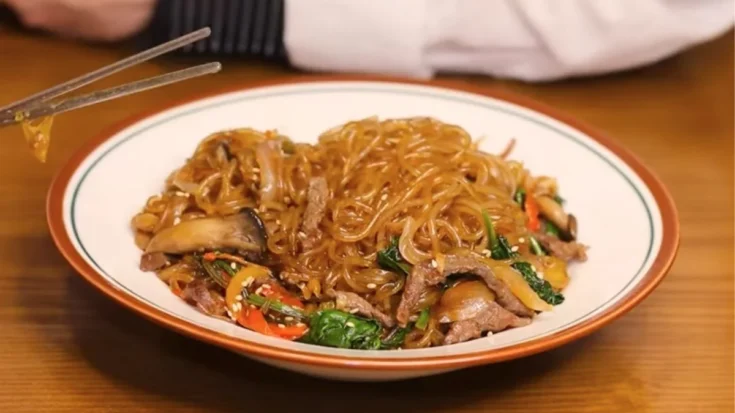
Transfer the finished noodle bowl to a large serving plate or individual bowls. Garnish generously with sesame seeds. Serve warm or at room temperature, as is traditional with Korean Japchae.
Customization and Pairing Ideas for Fresh Kitchen Sweet Potato Noodles
1. Make It Vegetarian or Vegan
Skip the beef entirely and double up on the vegetables for a completely plant-based version of this copycat fresh kitchen sweet potato noodles dish. Firm tofu, pressed and pan-fried until golden, makes an excellent protein substitute that soaks up the sesame soy marinade just as well as beef. You can also add shiitake mushrooms for extra umami depth that easily replaces the meaty richness of the original.
2. Try Different Protein Options
This fresh kitchen sweet potato noodles recipe is incredibly versatile when it comes to protein. Thinly sliced chicken breast, pork tenderloin, or shrimp all work beautifully in place of beef. Simply use the same soy sauce, sesame oil, and sugar marinade for any protein you choose, and adjust the stir-fry cooking time accordingly to avoid overcooking delicate proteins like shrimp.
3. Add More Vegetables for a Noodle Bowl
Transform this dish into a fully loaded fresh kitchen sweet potato noodles bowl by adding julienned carrots, thinly sliced zucchini, bean sprouts, or shredded cabbage. More vegetables not only bulk up the dish nutritiously but also add layers of color, crunch, and flavor that make the bowl feel even more vibrant and restaurant-worthy on the plate.
4. Spice It Up With Gochujang
For a bold, spicy twist on the classic copycat fresh kitchen sweet potato noodles, stir 1 to 2 teaspoons of gochujang (Korean red chili paste) into the sauce before tossing with the noodles. Gochujang adds a deep, fermented heat that complements the sweetness of the sesame oil and sugar beautifully without overpowering the other flavors in the dish.
5. Serve It as a Cold Noodle Bowl
Japchae is traditionally enjoyed warm or at room temperature, but this dish is equally delicious served cold as a refreshing noodle salad. After tossing everything together, allow the noodles to cool completely, then refrigerate for at least 30 minutes. Top with extra sesame seeds, a drizzle of chili oil, and thinly sliced green onions for a cold noodle bowl perfect for warm weather meals.
6. Pair With Korean Side Dishes
Serve your fresh kitchen sweet potato noodles alongside classic Korean banchan (side dishes) for a complete and authentic meal spread. Kimchi, pickled radish (danmuji), steamed white rice, or a simple cucumber salad dressed with rice vinegar and sesame oil all complement the rich, savory flavors of the noodles perfectly and round out the dining experience beautifully.

7. try pairing these sweet potato noodles with our Fresh Kitchen Recipes
To create a wholesome and satisfying meal, try pairing these sweet potato noodles with our Fresh Kitchen Blackened Chicken Recipe for a protein boost and add a side of Fresh Kitchen Broccoli Recipe for extra greens. You can also serve it alongside our Fresh Kitchen Quinoa Recipe for a more filling bowl, and finish it with a drizzle of Fresh Kitchen Creamy White Ginger Sauce Recipe to bring all the flavors together beautifully.
Expert Tips for Perfect Fresh Kitchen Sweet Potato Noodles
1. Do Not Overcook the Glass Noodles
Sweet potato starch noodles cook faster than regular pasta and can become mushy very quickly if left in boiling water too long. Aim for a texture that is fully cooked but still has a slight chew -similar to al dente pasta. They will continue to soften slightly when tossed in the hot pan with the sauce, so pulling them out just a touch early will give you the perfect final texture in your fresh kitchen sweet potato noodles bowl.
2. Rinse the Noodles After Cooking
Once you drain the cooked glass noodles, rinse them immediately under cold water to stop the cooking process and prevent them from sticking together in the bowl. Toss them with a small drizzle of sesame oil right after rinsing to keep them loose, glossy, and easy to work with when you add them to the stir-fry pan later.
3. Slice the Beef as Thin as Possible
Thin beef slices absorb the marinade more effectively and cook more evenly and quickly in the hot pan. For the easiest slicing, place the beef in the freezer for 15 to 20 minutes before cutting. The slightly firmer texture makes it much easier to achieve paper-thin, uniform strips that cook through in just a couple of minutes over high heat.
4. Cook Each Component Separately if Time Allows
For the most authentic version of how to make fresh kitchen sweet potato noodles at home, cook each vegetable separately in the pan before combining. This preserves the distinct color, texture, and flavor of each ingredient rather than everything steaming together into one mixed pile. While the streamlined one-pan method in this recipe works well for weeknights, the separate-cook method produces a more polished, restaurant-quality result.
5. Use a Wok for Better Heat Distribution
A wok’s wide, curved surface and ability to handle very high heat make it ideal for this style of stir-fry cooking. The high heat ensures the vegetables stay tender-crisp rather than soft and watery, and it gives the beef and noodles a light, desirable sear. If you do not have a wok, the widest, heaviest skillet you own will work as the next best option for this copycat fresh kitchen sweet potato noodles recipe.
6. Taste and Adjust the Sauce Before Serving
The sesame soy sauce is the heart of this dish, so taste it before plating and adjust as needed. If it tastes too salty, add a small pinch of sugar or a few drops of rice vinegar to balance it out. If it needs more depth, add a little extra sesame oil. Getting the sauce balance right is the single most important step in nailing the flavor of authentic fresh kitchen sweet potato noodles.

7. Garnish Generously With Sesame Seeds
Do not skip the sesame seed garnish -it is more than just decoration. Toasted sesame seeds add a subtle nuttiness, a gentle crunch, and an aromatic finish that ties the entire dish together. For the best flavor, use pre-toasted sesame seeds or toast them yourself in a dry pan for 2 to 3 minutes over medium heat until golden and fragrant before sprinkling over the finished bowl.
Storage and Reheating
Store leftover fresh kitchen sweet potato noodles in an airtight container in the refrigerator for up to 3 days. To reheat, warm in a skillet over medium heat with a small splash of water and a drizzle of sesame oil to loosen the noodles. Avoid microwaving for too long as glass noodles can become rubbery.
Common Queries and FAQs
Here, you’ll find answers to some common questions about the recipe that people frequently ask
What are fresh kitchen sweet potato noodles made of?
Fresh kitchen sweet potato noodles are made from sweet potato starch, which is what gives them their signature glassy, translucent appearance and distinctively springy, chewy texture. They are naturally gluten-free and are commonly known as glass noodles or dangmyeon in Korean cuisine. When cooked and tossed in sauce, they turn from opaque white to a beautiful, glossy dark color.
How to make fresh kitchen sweet potato noodles from scratch?
To make fresh kitchen sweet potato noodles at home, start by boiling your glass noodles and spinach together, then marinate and stir-fry thinly sliced beef, add your prepared vegetables, and finish by tossing everything together with a sesame soy sauce. The full step-by-step process is covered in detail in the recipe instructions section above for easy reference.
Are sweet potato noodles healthy?
Sweet potato starch noodles are relatively low in fat, naturally gluten-free, and lighter in calories compared to many wheat-based noodles. When paired with lean protein, a variety of vegetables, and a moderate amount of sesame oil as in this fresh kitchen sweet potato noodles recipe, the dish provides a well-balanced combination of complex carbohydrates, fiber, vitamins, and minerals.
Can I make this recipe ahead of time?
Yes, this dish is an excellent make-ahead meal. The flavors actually deepen and develop further after resting in the refrigerator overnight, making next-day leftovers taste even better. Prepare the full recipe, allow it to cool completely, and store in an airtight container. Reheat gently in a pan with a touch of sesame oil when ready to serve.
What can I substitute for oyster mushrooms?
If oyster mushrooms are not available, shiitake mushrooms are the most traditional and flavourful substitute in Japchae-style dishes. Button mushrooms, cremini mushrooms, or king trumpet mushrooms all work well too. Each variety brings a slightly different texture and flavour intensity, but any of these options will complement the other ingredients in your fresh kitchen sweet potato noodles bowl without compromising the overall dish.
Is this recipe the same as Japchae?
This recipe is closely inspired by Japchae, the classic Korean glass noodle dish made with sweet potato starch noodles, vegetables, and meat in a sesame soy sauce. The copycat fresh kitchen sweet potato noodles version simplifies the traditional process slightly for everyday cooking while staying true to the core flavors, textures, and ingredients that define authentic Japchae.
Fresh Kitchen Sweet Potato Noodles Recipe
If you have been searching for the perfect fresh kitchen sweet potato noodles recipe, your search ends right here. These silky, chewy glass noodles tossed with tender beef, colorful vegetables, and a savory sesame soy sauce are the kind of dish that looks impressive but comes together surprisingly fast.
Ingredients
- Sweet potato starch noodles (glass noodles) -quantity based on servings
- Beef, sliced into thin strips
- Fresh spinach, cleaned with root ends removed
- Oyster mushrooms, rinsed and pulled into bite-sized strips
- 1 medium onion, sliced into thin half-moons
- Bell peppers (red, yellow, or mixed), sliced into thin strips
- 5 cloves of garlic, finely chopped
- Soy sauce (¼ cup for the final toss, plus 2 spoons for the beef marinade)
- Sesame oil (2–3 spoons for the final toss, plus 1 spoon for the marinade)
- Sugar (1 spoon for marinade, plus 1 spoon for stir-fry seasoning)
- Black pepper, to taste
- Salt, to taste
- Sesame seeds for garnish
Instructions
1. Cook the noodles and spinach
Bring a large pot of water to a boil. Add the sweet potato starch noodles and spinach together, making sure both are fully submerged. Cook until the noodles reach your desired softness and the spinach is wilted. Drain, give the spinach an extra rinse under cold water, and transfer both the noodles and spinach into a large mixing bowl. Set aside.
2. Marinate the beef
Slice the beef into thin strips and place in a small bowl. Add 2 spoons of soy sauce, 1 spoon of sugar, and 1 spoon of sesame oil. Toss to coat evenly and set aside to marinate while you prepare the vegetables.
3. Prepare all the vegetables
Halve the bell peppers, remove the seeds, and slice into thin strips. Peel and slice the onion into thin half-moons. Rinse the oyster mushrooms and gently pull them apart by hand into bite-sized strips. Finely chop all five cloves of garlic and set everything aside.
4. Stir-fry the beef and vegetables
Heat a large skillet or wok over medium-high heat. Add the marinated beef and stir-fry until the color begins to change and it is mostly cooked through. Add the bell peppers, onions, oyster mushrooms, and garlic to the pan. Season with a pinch of sugar, black pepper, and salt. Stir-fry everything together until the vegetables are tender-crisp and fragrant.
5. Combine and finish
Add the cooked glass noodles and spinach directly into the pan with the beef and vegetables. Pour in ¼ cup of soy sauce, 1 spoon of sugar, and 2 to 3 spoons of sesame oil. Toss everything together thoroughly until the noodles are evenly coated, the sauce is absorbed, and the colors are vibrant throughout.
6. Serve and garnish
Transfer the finished noodle bowl to a large serving plate or individual bowls. Garnish generously with sesame seeds. Serve warm or at room temperature, as is traditional with Korean Japchae.
Notes
Store leftover fresh kitchen sweet potato noodles in an airtight container in the refrigerator for up to 3 days. To reheat, warm in a skillet over medium heat with a small splash of water and a drizzle of sesame oil to loosen the noodles. Avoid microwaving for too long as glass noodles can become rubbery.
Nutrition Information:
Yield:
3Serving Size:
1Amount Per Serving: Calories: 232
This fresh kitchen sweet potato noodles recipe brings the warmth, depth, and vibrant flavor of authentic Korean Japchae right into your own kitchen. With its chewy glass noodles, savory marinated beef, crisp colorful vegetables, and rich sesame soy finish, every bowl is a complete and satisfying meal.
Whether you are making it for the first time or perfecting your copycat fresh kitchen sweet potato noodles technique, the tips and steps in this guide set you up for success every time. Make it once, and it will earn a permanent spot in your regular meal rotation.
I’d love to hear your thoughts-leave a comment on the blog and let me know How it came out! Don’t forget to follow me on Pinterest, Facebook and YouTube for more delicious updates. Your support truly means everything to me.