
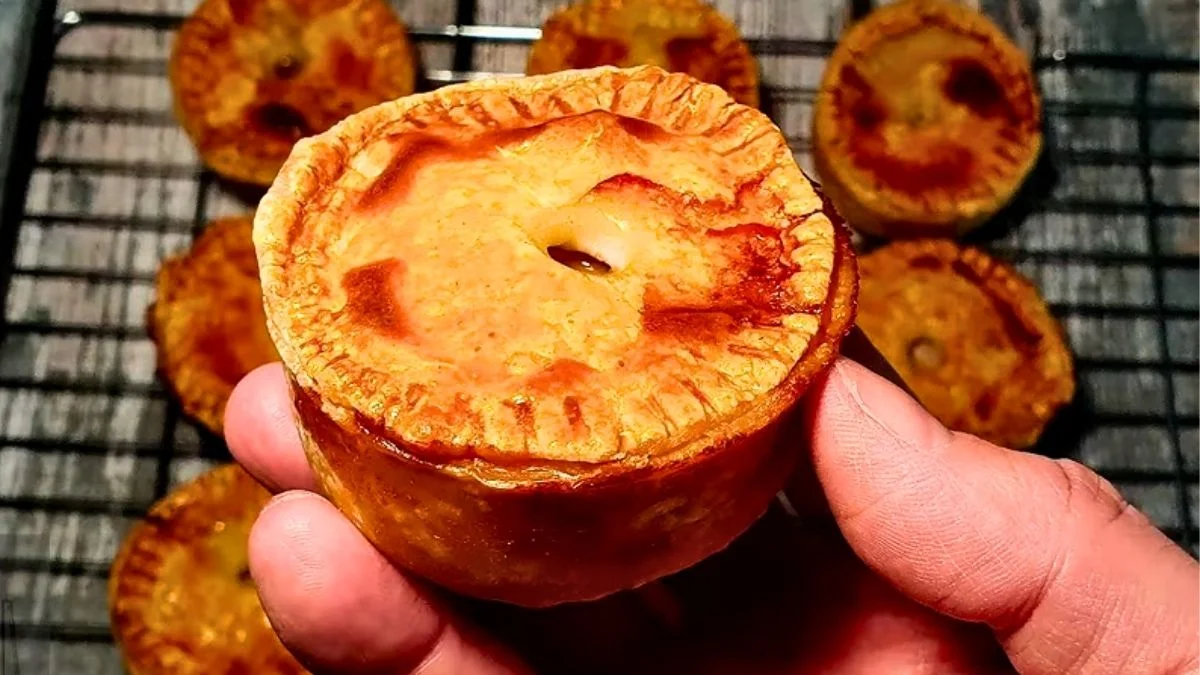
The medieval meat pie is a savory, hand-raised classic that has been part of English kitchens for centuries. This medieval meat pie recipe uses a sturdy hot water crust, once called a “coffyn,” wrapped around a peppery beef and smoked bacon filling and sealed with rich, wobbly bone jelly.
Built to travel and keep, the raised pastry was the original portable meal. Today it is just as satisfying, and far easier than it sounds, with no fancy equipment required.
Whether you love historical cooking, picnic food, or hearty British-style pies, this medieval beef pie recipe delivers firm golden pastry, juicy seasoned meat, and a story worth sharing at the table.
What Does a Medieval Meat Pie Taste Like?
A medieval meat pie tastes deeply savory, peppery, and comforting. The beef filling is juicy and well seasoned, with smoky depth from the beef bacon and a gentle herbal warmth from thyme and sage.

A pinch of mace adds a subtle, old-world spice. The hot water crust is sturdy, rich, and slightly crumbly rather than flaky. The best part is the cold bone jelly, which melts into rich, beefy savoriness on your tongue. Eaten chilled or at room temperature, it pairs beautifully with sharp mustard and tangy pickles.
Ingredients for Medieval Meat Pie
Hot Water Pastry Crust
- 350g strong white flour (or plain flour)
- 115g beef tallow (or clarified butter or lard)
- 125ml water
- 1 tsp salt
- 1 egg, beaten, for glazing
Medieval Beef Filling
- 400g minced beef or finely diced beef steak (15–20% fat keeps the filling juicy)
- 100g beef bacon or smoked brisket, finely diced
- 1 tsp salt
- ½ tsp ground white pepper
- ½ tsp dried thyme
- ½ tsp dried sage
- ¼ tsp ground mace or nutmeg (optional medieval spice twist, very common in 14th–15th century meat pies)
Savory Bone Jelly
- 150ml warm, concentrated beef bone stock
- 2 sheets leaf gelatin (or 1 tsp powdered gelatin)
Kitchen Utensils You Will Need
- Heatproof mixing bowl
- Saucepan
- Wooden spoon
- Large bowl for the filling
- Rolling pin
- Pie tin, wooden pie dolly, or a clean jar for shaping the cases
- Round cutter or small plate for the lids
- Baking tray lined with parchment paper
- Pastry brush
- Small funnel or syringe
- Small bowl for soaking the gelatin
- Wire cooling rack
Preparation Time, Cooking Time, and Servings
- Preparation Time: 40 minutes
- Baking Time: 45–50 minutes
- Cooling Time: About 1 hour
- Chilling Time: 4 hours minimum (overnight is best)
- Total Time: Approximately 6½ hours
- Servings: Makes 4 individual pies
How to Make Medieval Meat Pie: Step-by-Step Instructions
1. Make the hot water dough
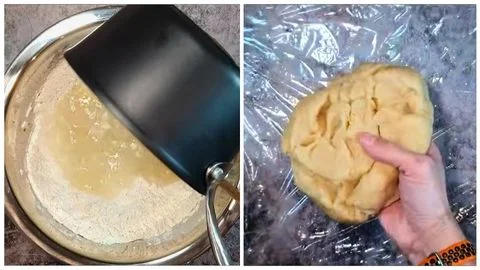
Place the flour and salt in a heatproof bowl. In a saucepan, bring the water and beef tallow to a rolling boil until the fat is completely melted. Pour the boiling liquid straight into the flour and stir vigorously with a wooden spoon until a dough forms.
2. Knead while warm
Once the dough is cool enough to touch but still distinctly warm, knead briefly until smooth. Set aside one-third of the dough for the lids and keep it wrapped so it stays warm.
3. Mix the meat filling
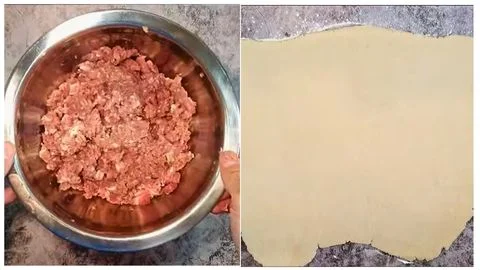
In a large bowl, combine the minced beef, diced beef bacon, salt, white pepper, thyme, sage, and mace if using. Mix thoroughly by hand until the fat and seasonings are evenly distributed.
4. Raise the pastry cases
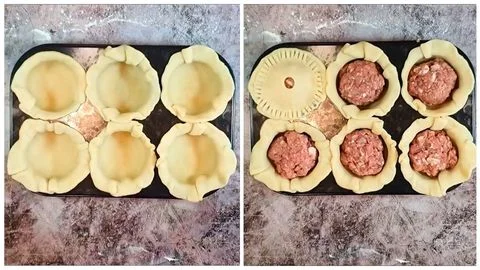
While the dough is still warm, roll or hand-mold the larger portion into thick, upright cylindrical cases. Use a pie tin, a wooden pie dolly, or shape them freehand.
5. Fill the pies
Pack the seasoned beef firmly into each pastry shell, leaving a ½-inch gap at the top.
6. Add the lids
Roll out the reserved warm dough and cut circular lids. Dampen the rim of each case with water, place the lid on top, and crimp the edges tightly to create a leak-proof seal. Cut a small hole, about ½ cm wide, in the center of each lid.
7. Glaze the pies
Brush the entire exterior generously with beaten egg for a golden gloss.
8. Bake and cool
Preheat your oven to 180°C (350°F). Bake the pies for 45 to 50 minutes until the crust is deep golden brown and firm. Let them cool completely to room temperature.
9. Prepare the jelly
Soften the gelatin in cold water, squeeze out the excess liquid, and stir it into the warm beef stock until fully dissolved.
10. Fill with stock
Using a small funnel or syringe, slowly pour the liquid stock into the central hole of each cooled pie until completely filled.
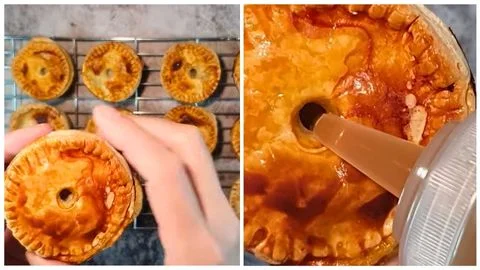
11. Chill until set
Refrigerate the pies for at least 4 hours, preferably overnight, so the jelly sets firmly around the meat.
Customization and Pairing Ideas for Medieval Meat Pie
1. Swap the Meat
Replace the beef with minced pork shoulder or lamb for a different raised pie flavor. Keep the fat content around 15 to 20 percent so the filling stays juicy, and keep the smoked bacon for depth. If you enjoy hearty, slow-cooked beef dishes too, try our Pepper Belly Pete Mississippi Pot Roast Recipe for another comforting, flavor-packed meal.
2. Add More Medieval Spices
Beyond mace or nutmeg, a pinch of ground ginger or cloves reflects the warm spice blends common in historical English cooking. Start with ¼ teaspoon so the beef remains the star of the pie.
3. Try Dried Fruit
Stir in two tablespoons of finely chopped currants or dates for the sweet-and-savory balance medieval cooks loved. The fruit adds gentle sweetness that contrasts beautifully with the peppery meat.
4. Make Mini Pies
Raise smaller individual pies for a feast table, lunchbox, or party platter. Smaller pies bake faster, so check them early and look for a firm, deep golden crust before removing them from the oven.
5. Serve with Sharp Condiments
Slice the cold pie and serve it with English mustard, pickled onions, or tangy chutney. The acidity cuts through the rich beef and savory jelly, making every bite feel balanced.
6. Pour a Traditional Drink
Dark ale, dry cider, or mead matches the old-world character of this pie. For a non-alcoholic option, try ginger beer or sparkling apple juice alongside a slice.

7. Build a Ploughman’s-Style Board
Arrange pie slices with sharp cheddar, crusty bread, apple wedges, and a crisp green salad. This rustic spread is perfect for picnics, medieval-themed dinners, and holiday gatherings.
Tips for the Perfect Medieval Meat Pie
1. Work with the Dough While It Is Warm
Hot water dough is soft and easy to shape only while warm. As it cools, the melted fat solidifies, and the dough turns stiff and prone to cracking. Shape your pastry cases promptly after kneading.
2. Keep the Lid Dough Covered
Wrap the reserved one-third of dough so it stays soft while you raise the cases. Cold lid dough cracks when rolled out and will not seal properly against the pastry walls.
3. Choose Fatty Beef
Use minced beef or finely diced steak with 15 to 20 percent fat. The fat keeps the filling juicy during baking, and mixing by hand spreads it and the seasonings evenly throughout the meat.
4. Pack the Filling Tightly
Press the meat firmly into each pastry shell, leaving a ½-inch gap at the top. Tight packing prevents hollow pockets and gives you clean, sliceable pieces once the pie is chilled.
5. Seal Every Seam and Patch Cracks
Crimp the lid and base seam tightly after dampening the rim. If a crack forms while molding, patch it immediately with a bit of warm extra dough, because even a small hole lets the jelly leak out later.
6. Bake Until Deep Golden and Firm
A generous egg wash gives the crust a glossy finish. After 45 to 50 minutes, the pastry should look deep golden and feel firm. For extra peace of mind, check that the center of the filling reaches 71°C (160°F).

7. Chill Long Enough for the Jelly to Set
Use warm, concentrated bone stock with fully dissolved gelatin, then chill the pies for at least 4 hours, ideally overnight. Chilling is what transforms the liquid stock into firm, sliceable jelly around the meat.
Storage and Reheating
Wrap the pies tightly and refrigerate for up to 5 days. Medieval meat pies are traditionally eaten cold or at room temperature, so reheating is unnecessary, and warming would melt the jelly. Let a chilled pie stand for 20 minutes before slicing for the best flavor.
Common Queries and FAQs
Here, we’ve got you covered with some common questions that people often ask.
Why is this called a medieval meat pie?
In medieval England, pastry cases for meat were called “coffyns” or raised pastry. Cooks made them with a hot water crust of melted fat, water, and flour, then baked them free-standing without pie tins. This recipe follows that tradition, including the 14th–15th century mace seasoning.
What is hot water crust pastry?
Hot water crust is a sturdy dough made by melting fat in boiling water and pouring it over flour. It is shaped while warm, which makes it ideal for hand-raised pies. Unlike delicate shortcrust, it is firm enough to hold its shape without a tin.
What is the jelly inside a medieval meat pie for?
As the baked meat cools, it shrinks slightly and leaves an air gap. Historically, cooks poured gelatin-rich bone stock through a hole in the lid to fill that gap and seal the pie, helping preserve it before refrigeration. Today, the jelly adds flavor and moisture, but the pies still need refrigerating.
Can I eat the crust?
Yes. Some historical crusts were thick enough to serve mainly as containers, but this version is baked to be eaten. The firm, savory pastry is delicious with the filling and jelly.
Can I use butter or lard instead of beef tallow?
Yes. Clarified butter and lard both work well in the hot water crust. Tallow gives the most traditional beef flavor, while lard produces a very sturdy, neutral pastry.
Can I make the jelly without gelatin?
Only if your homemade bone stock is very concentrated and naturally rich in collagen, since it must set firmly when chilled. For reliable results, adding leaf or powdered gelatin is the safest method.
Should I serve medieval meat pie hot or cold?
Serve it cold or at room temperature. The jelly is meant to stay set around the meat, and heating would melt it. Slice and enjoy with mustard, pickled onions, or a side salad.
Can I freeze medieval meat pies?
Freezing is not recommended once the jelly has been added, because the jelly can turn watery after thawing. For best texture, refrigerate and enjoy within 5 days.
Medieval Meat Pie Recipe
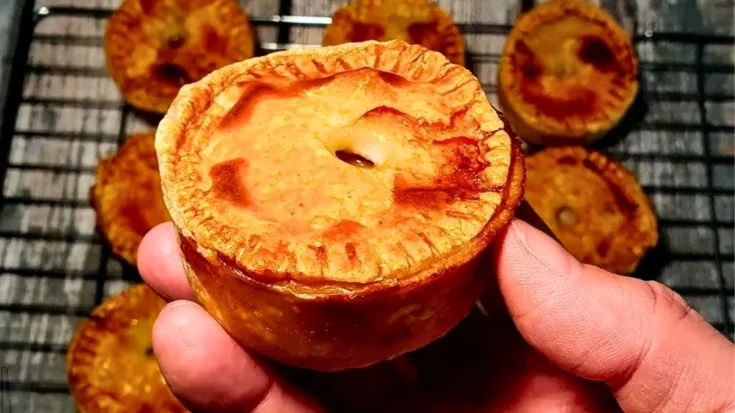
The medieval meat pie is a savory, hand-raised classic that has been part of English kitchens for centuries. This medieval meat pie recipe uses a sturdy hot water crust, once called a “coffyn,” wrapped around a peppery beef and smoked bacon filling and sealed with rich, wobbly bone jelly.
Ingredients
- 350g strong white flour (or plain flour)
- 115g beef tallow (or clarified butter or lard)
- 125ml water
- 1 tsp salt
- 1 egg, beaten, for glazing
- 400g minced beef or finely diced beef steak (15–20% fat keeps the filling juicy)
- 100g beef bacon or smoked brisket, finely diced
- 1 tsp salt
- ½ tsp ground white pepper
- ½ tsp dried thyme
- ½ tsp dried sage
- ¼ tsp ground mace or nutmeg (optional medieval spice twist, very common in 14th–15th century meat pies)
- 150ml warm, concentrated beef bone stock
- 2 sheets leaf gelatin (or 1 tsp powdered gelatin)
Instructions
1. Make the hot water dough
Place the flour and salt in a heatproof bowl. In a saucepan, bring the water and beef tallow to a rolling boil until the fat is completely melted. Pour the boiling liquid straight into the flour and stir vigorously with a wooden spoon until a dough forms.
2. Knead while warm
Once the dough is cool enough to touch but still distinctly warm, knead briefly until smooth. Set aside one-third of the dough for the lids and keep it wrapped so it stays warm.
3. Mix the meat filling
In a large bowl, combine the minced beef, diced beef bacon, salt, white pepper, thyme, sage, and mace if using. Mix thoroughly by hand until the fat and seasonings are evenly distributed.
4. Raise the pastry cases
While the dough is still warm, roll or hand-mold the larger portion into thick, upright cylindrical cases. Use a pie tin, a wooden pie dolly, or shape them freehand.
5. Fill the pies
Pack the seasoned beef firmly into each pastry shell, leaving a ½-inch gap at the top.
6. Add the lids
Roll out the reserved warm dough and cut circular lids. Dampen the rim of each case with water, place the lid on top, and crimp the edges tightly to create a leak-proof seal. Cut a small hole, about ½ cm wide, in the center of each lid.
7. Glaze the pies
Brush the entire exterior generously with beaten egg for a golden gloss.
8. Bake and cool
Preheat your oven to 180°C (350°F). Bake the pies for 45 to 50 minutes until the crust is deep golden brown and firm. Let them cool completely to room temperature.
9. Prepare the jelly
Soften the gelatin in cold water, squeeze out the excess liquid, and stir it into the warm beef stock until fully dissolved.
10. Fill with stock
Using a small funnel or syringe, slowly pour the liquid stock into the central hole of each cooled pie until completely filled.
11. Chill until set
Refrigerate the pies for at least 4 hours, preferably overnight, so the jelly sets firmly around the meat.
Notes
Wrap the pies tightly and refrigerate for up to 5 days. Medieval meat pies are traditionally eaten cold or at room temperature, so reheating is unnecessary, and warming would melt the jelly. Let a chilled pie stand for 20 minutes before slicing for the best flavor.
Nutrition Information:
Yield:
4Serving Size:
1Amount Per Serving: Calories: 369
I’d love to hear your thoughts-leave a comment on the blog and let me know How it came out! Don’t forget to follow me on Pinterest, Facebook and YouTube for more delicious updates. Your support truly means everything to me.