

If you’ve been searching for an authentic copycat Fresh Kitchen tofu recipe that captures those bold Filipino flavors, you’re in for a treat!
This easy 15-minute mapo tofu alternative brings together crispy golden tofu, sautéed mushrooms, and a tangy-creamy sauce that’s absolutely addictive.
Whether you’re a vegetarian looking for a protein-packed meal or simply curious about how to make mapo tofu recipe with a Filipino twist, this crispy tofu sisig delivers restaurant-quality results right in your home kitchen.
The combination of calamansi-spiked mayo sauce and perfectly fried tofu creates a texture and flavor experience that rivals any takeout order.
What Does This Fresh Kitchen Tofu Taste Like?
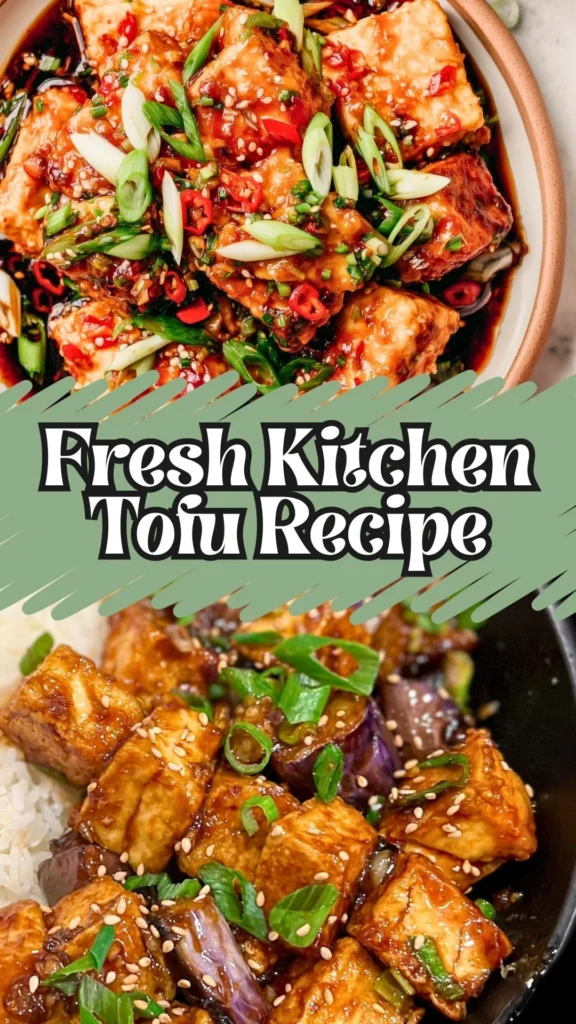
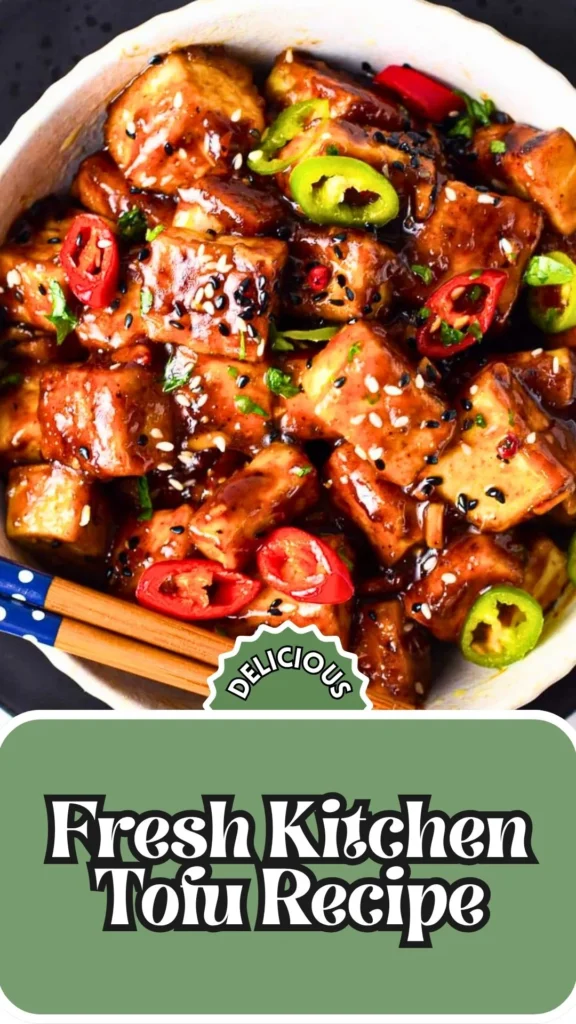
This recipe for Fresh Kitchen tofu is a flavor explosion that hits all the right notes. The crispy, golden-brown tofu cubes provide a satisfying crunch that gives way to tender, creamy centers.

The sauce brings bright citrusy tang from fresh calamansi juice, balanced beautifully with rich, creamy mayonnaise and the umami depth of vegetarian oyster sauce. You’ll taste the aromatic sweetness of sautéed onions and bell peppers, followed by a gentle heat from green chilies and an optional fiery kick from siling labuyo.
The earthy mushrooms add meatiness, while everything comes together in a harmonious blend that’s savory, slightly sour, subtly sweet, and utterly craveable with every bite.
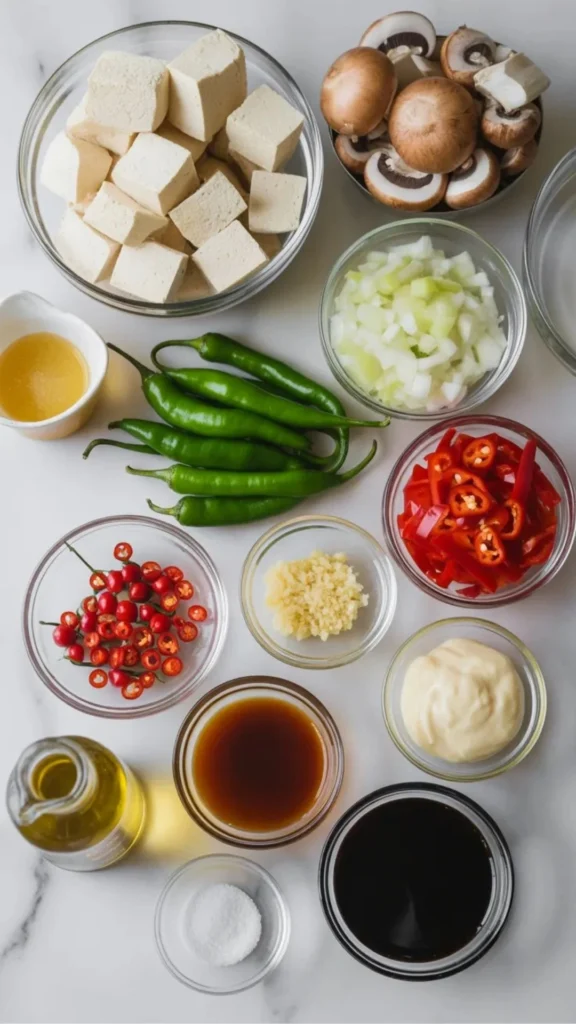
Fresh Kitchen Tofu Ingredients and Kitchen Utensils
Main Ingredients:
- 1 block extra firm tofu (14-16 oz, pressed and cubed into small pieces)
- 8 oz fresh mushrooms (shiitake recommended; oyster or rehydrated dried mushrooms also work)
- 1 medium onion (diced into small pieces)
- 1 small red bell pepper (diced into small pieces)
- 2-3 green chili or siling haba (for mild kick)
- 2-3 siling labuyo (bird’s eye chili, very hot – sliced with scissors)
- 4-5 cloves garlic (minced)
For the Sauce:
- 3-4 tablespoons calamansi juice (or lemon juice – use generously)
- 3 tablespoons mayonnaise
- 2 tablespoons vegetarian oyster sauce
- 1-2 tablespoons soy sauce (for additional seasoning)
Other:
- Cooking oil (for frying and sautéing)
- Salt (to taste, if needed)
Serve:
- Steamed rice (preferably garlic rice)
Kitchen Utensils:
- Tofu press or heavy plates with paper towels
- Sharp knife and cutting board
- Small mixing bowl
- Large frying pan or wok
- Large cast iron pan or skillet
- Strainer or paper towels (for draining)
- Kitchen scissors (for slicing chilies)
- Spatula or wooden spoon
Preparation and Cooking Time
Prep Time: 10 minutes
Cooking Time: 15 minutes
Total Time: 25 minutes
Servings: 3-4 servings
Fresh Kitchen Tofu Recipe Instructions
Step 1
Press the extra firm tofu using a tofu press or by placing it between paper towels with a heavy plate on top for 15-20 minutes to remove excess moisture. Once pressed, cut into small ½-inch cubes.

Step 2
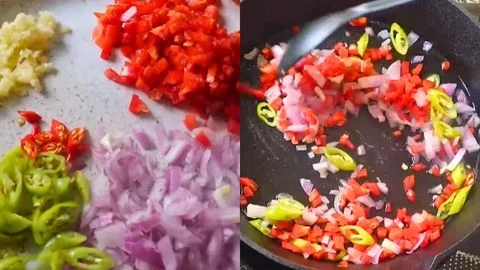
Prepare all your vegetables: dice the onion and red bell pepper into small, uniform pieces. Slice the green chili (siling haba) diagonally. Mince the garlic finely. Use kitchen scissors to slice the siling labuyo into thin rounds. Clean and slice the mushrooms into bite-sized pieces.
Step 3
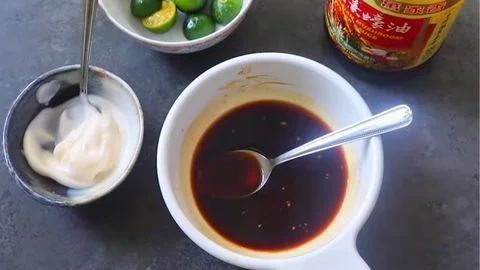
In a small bowl, whisk together the calamansi juice (or lemon juice), mayonnaise, and vegetarian oyster sauce until smooth and well combined. Set this tangy-creamy sauce aside.
Step 4
Heat about ½ inch of cooking oil in a large pan or wok over medium-high heat. Once the oil is hot (test with a small piece of tofu – it should sizzle immediately), carefully add the tofu cubes in batches. Don’t overcrowd the pan.
Step 5
Fry the tofu cubes for 3-4 minutes per side, turning occasionally, until they’re golden brown and crispy on all sides. Work in batches to maintain oil temperature. Remove fried tofu and drain excess oil on a strainer or paper towels.

Step 6
Heat a large cast iron pan or skillet over high heat. Add 1-2 tablespoons of cooking oil. Once hot, add the diced onion, red bell pepper, and green chili (siling haba). Sauté over medium-high heat for 2-3 minutes until aromatic, slightly charred, and tender.
Step 7
Add the minced garlic to the pan and continue sautéing for 30 seconds until fragrant, being careful not to burn it.
Step 8
Add the sliced mushrooms to the pan. Cook over medium-high heat for 3-4 minutes, stirring occasionally, until the mushrooms release their moisture, cook through, and become tender with slightly caramelized edges.
Step 9
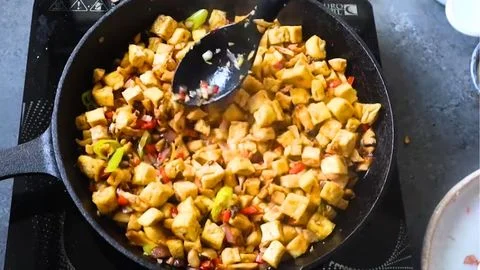
Add the crispy fried tofu back into the pan with the sautéed vegetables and mushrooms. Toss everything together gently to combine.
Step 10
Pour the prepared calamansi-mayo sauce over the tofu and vegetable mixture. Mix well using a spatula, ensuring everything is evenly coated with the tangy, creamy sauce.
Step 11
Taste and adjust the seasoning to your preference. Add more soy sauce for saltiness, additional vegetarian oyster sauce for umami depth, or extra calamansi/lemon juice if you prefer it tangier. For added richness and crispiness from the fats, stir in a bit more mayonnaise.

Step 12
Mix thoroughly and cook for 2-3 more minutes over medium-high heat, allowing the sauce to caramelize slightly and the tofu to develop even more crispy edges. Remove from heat and serve immediately hot with steamed rice or garlic rice.
Customization and Pairing Ideas for Serving
1. Spice Level Variations
Control the heat intensity by adjusting your chili usage. For a mild version perfect for kids or heat-sensitive palates, omit the siling labuyo entirely and use only one green chili. Medium spice lovers can use 1-2 siling labuyo sliced thinly. If you’re a spice enthusiast seeking that authentic Filipino fire, add 3-4 siling labuyo and consider adding a dash of chili oil to the sauce mixture.
2. Protein Combinations
While this vegetarian version is delicious on its own, you can create a heartier mixed protein dish by combining the crispy tofu with other ingredients. Add crispy tempeh cubes for additional texture variation, include sautéed plant-based ground meat for a more traditional sisig feel, or incorporate marinated mushroom “bacon” strips for a smoky element that complements the tangy sauce beautifully.
3. Vegetable Add-Ins
Boost the nutritional value and add more colors by incorporating additional vegetables. Try adding snap peas or green beans for crunch, diced carrots for sweetness, baby corn for textural interest, or leafy greens like bok choy or spinach stirred in at the last minute. These additions make the dish more substantial while maintaining that signature crispy tofu sisig character.
4. Sauce Modifications
Customize the sauce profile to match your taste preferences. For a spicier kick, blend sriracha or sambal oelek into the mayo mixture. Create a nuttier version by whisking in a tablespoon of peanut butter or tahini. For extra umami depth, add a teaspoon of miso paste. Those who love intense citrus flavors can increase the calamansi juice and add lime zest for brightness.
5. Serving Style Options
Transform this copycat Fresh Kitchen tofu recipe into different meal formats. Serve it as a tofu rice bowl topped with pickled vegetables and a fried egg. Create lettuce wraps using butter lettuce or romaine leaves for a low-carb option. Stuff it into warm flour tortillas with shredded cabbage for Filipino-inspired tacos. Or serve it as a hot sizzling plate on a cast iron skillet, restaurant-style, with a dramatic presentation.
6. Carb Pairing Alternatives
While traditional steamed rice or garlic rice is classic, experiment with other bases. Try cauliflower rice for a low-carb alternative, quinoa for added protein and a nutty flavor, coconut rice for subtle sweetness that balances the tangy sauce, fried rice mixed with the tofu sisig for an all-in-one meal, or even serve it over crispy rice noodles for textural contrast.
7. Topping and Garnish Ideas
Elevate your presentation and add extra flavor dimensions with creative toppings. Finish with chopped fresh cilantro and sliced scallions for herbal brightness, toasted sesame seeds for nutty crunch, crispy garlic chips for additional texture, a drizzle of chili crisp oil for heat and complexity, thinly sliced red onions for sharpness, or a squeeze of fresh lime just before serving to amplify that citrus tang.
Essential Tips for Perfect Fresh Kitchen Tofu
1. Master the Tofu Pressing Technique
The secret to achieving restaurant-quality crispy tofu lies in proper moisture removal. Always use extra firm tofu and press it for at least 15-20 minutes, though 30 minutes is even better if you have time. The drier your tofu, the crispier it will become during frying. If you don’t have a tofu press, wrap the tofu block in several layers of paper towels, place it on a plate, set another plate on top, and weigh it down with heavy cans or a cast iron pan. Change the paper towels halfway through if they become saturated. This crucial step prevents soggy tofu and ensures that golden, crunchy exterior that makes this crispy tofu sisig so irresistible.
2. Perfect Your Frying Temperature
Oil temperature is critical for achieving that ideal crispy coating without greasy results. Heat your oil to about 350-375°F (175-190°C) – test by dropping in a small tofu cube, which should immediately sizzle and bubble actively without smoking. If the oil isn’t hot enough, your tofu will absorb excess oil and turn soggy. If it’s too hot, the outside will burn before the inside firms up. Fry in small batches to maintain consistent temperature, allowing the oil to reheat between batches. This patience pays off with evenly golden, crispy cubes that stay crunchy even after tossing with the sauce.
3. Don’t Skip the Cast Iron Sizzle
Using a cast iron pan or skillet for the final assembly isn’t just traditional – it’s functional. Cast iron retains high heat beautifully, creating those desirable slightly charred edges on vegetables and allowing the sauce to caramelize rather than just steam. The high, even heat helps the tofu maintain its crispiness while absorbing flavor. If you don’t have cast iron, use the heaviest bottomed pan you own and make sure it’s thoroughly preheated. That sizzling hot surface is what transforms good tofu sisig into spectacular tofu sisig with complex, layered flavors.
4. Balance Your Sauce Ratios
The signature tangy-creamy sauce makes this recipe for Fresh Kitchen tofu stand out, but ratios matter. Start with the suggested measurements, but taste as you go. The calamansi (or lemon) juice should provide bright, prominent acidity that cuts through the richness of mayonnaise. The vegetarian oyster sauce adds umami depth without overwhelming. If your sauce tastes flat, add more acid. If it’s too sharp, balance with additional mayo or a touch of sugar. The soy sauce is for fine-tuning saltiness at the end. Remember, the sauce will concentrate slightly as it cooks, so err on the side of slightly more acidic than you think you need.
5. Timing Is Everything with Aromatics
The order and timing of adding garlic, onions, and other aromatics significantly impacts final flavor. Always add onions and peppers first – they need more time to soften and develop sweetness. Add garlic only after the onions are translucent because garlic burns quickly and turns bitter. Fresh mushrooms release moisture, so give them adequate time to cook off that liquid and caramelize. This layered cooking approach builds depth rather than just throwing everything in at once. Each ingredient gets its moment to shine and contribute its unique characteristics to the overall flavor profile.
6. Adjust Texture Throughout Cooking
This dish is all about contrast – crispy tofu against tender vegetables, crunchy edges against creamy sauce. To maximize this textural experience, don’t over-stir once you’ve added the sauce. Gentle folding preserves the crispy tofu exterior while coating everything evenly. If you notice the dish becoming too wet, increase heat slightly and let some moisture evaporate. For extra crispiness, spread everything in a single layer for the last minute of cooking, allowing the bottom to develop a slight crust. This attention to texture transforms good tofu into an unforgettable eating experience.
7. Make It Ahead-Friendly
While this easy 15-minute mapo tofu style dish is best served immediately, you can prep components in advance for even faster weeknight cooking. Press and cube your tofu the night before, storing it covered in the refrigerator. Pre-dice all vegetables and store them in airtight containers. Mix your sauce ahead and refrigerate. When ready to cook, simply fry the tofu, sauté your prepared vegetables, and combine. The crispy tofu can even be fried up to 2 hours ahead and reheated briefly in a hot oven (400°F for 5 minutes) before final assembly. This strategy makes a seemingly complex dish totally manageable on busy evenings.
Storage and Reheating Guidance
Store leftover Fresh Kitchen tofu in an airtight container in the refrigerator for up to 3 days. Reheat in a hot skillet or wok over medium-high heat, adding a splash of oil to help re-crisp the tofu. Avoid microwaving as it will make the tofu soggy and compromise that signature crispy texture.
Common Queries and FAQs
Your guide to frequently asked Fresh Kitchen Tofu Recipe questions and answers.
Can I use regular firm tofu instead of extra firm for this copycat Fresh Kitchen tofu recipe?
While extra firm tofu is strongly recommended for the best crispy texture, you can use regular firm tofu if that’s what you have available. The key is to press it even longer – at least 30-45 minutes – to remove as much moisture as possible. Regular firm tofu contains more water, so without adequate pressing, it won’t crisp up properly and may fall apart during frying. You can also freeze and thaw firm tofu before pressing, which changes its texture to be chewier and more porous, helping it crisp better when fried.
What’s the best substitute if I can’t find calamansi juice?
Lemon juice is the most commonly available substitute and works beautifully in this recipe. For a closer approximation to calamansi’s unique flavor profile, mix 2 parts lemon juice with 1 part lime juice, which captures both the acidity and slight floral notes. Some cooks also add a tiny splash of orange juice (about ½ teaspoon) to mimic calamansi’s subtle sweetness. Key lime juice alone is another excellent option. Whatever citrus you choose, use it generously – the bright, tangy acidity is essential to this dish’s character.
How can I make this crispy tofu sisig spicier?
There are multiple ways to increase heat levels. The simplest is adding more siling labuyo (bird’s eye chilies) – these tiny peppers pack serious punch. You can also incorporate the chili seeds, which contain most of the heat. Blend fresh chilies into your mayo sauce for even distribution of spice. Add chili garlic sauce, sambal oelek, or sriracha to the sauce mixture. For a different heat profile, include fresh Thai chilies or serrano peppers. Finish with chili crisp oil or chili flakes as a topping. Remember to increase heat gradually and taste as you go.
Can I bake the tofu instead of frying it?
Yes! For a healthier version, you can bake the tofu. After pressing and cubing, toss the tofu pieces with 1-2 tablespoons of oil and spread them in a single layer on a parchment-lined baking sheet. Bake at 400°F (200°C) for 25-30 minutes, flipping halfway through, until golden and crispy on all sides. The texture won’t be quite as crispy as deep-fried, but it’s still delicious and significantly reduces oil content. You can also use an air fryer at 375°F for 15-18 minutes, shaking the basket every 5 minutes for even crisping.
What type of mushrooms work best for this recipe?
Shiitake mushrooms are ideal because they offer a meaty texture and deep umami flavor that complements the tofu beautifully. Fresh shiitakes are preferable, but dried shiitakes (rehydrated in warm water for 20 minutes) actually have even more concentrated flavor. Oyster mushrooms provide a delicate texture and mild flavor that won’t overpower the dish. Baby bella or cremini mushrooms are readily available and work well. Even basic white button mushrooms can be used. For the best flavor, use a combination of 2-3 mushroom types. Avoid very delicate mushrooms like enoki, which won’t hold up to the high-heat cooking.
Is this recipe authentically Filipino, or is it fusion?
This recipe is inspired by Filipino sisig, traditionally made with chopped pork and served on a sizzling plate, but adapted into a vegetarian version with tofu. It’s a fusion creation that honors Filipino flavor profiles – the use of calamansi, siling labuyo, the sizzling presentation style, and the tangy-savory-spicy balance are all quintessentially Filipino. The mayonnaise-based sauce and crispy preparation method also reflect modern Filipino-American restaurant adaptations. While not traditional in the strictest sense, it captures the spirit of sisig and represents how Filipino cuisine continues to evolve globally with creative vegetarian interpretations.
Why is my tofu not getting crispy enough?
Several factors affect crispiness. First, insufficient pressing is the most common culprit – tofu must be very dry before frying. Second, overcrowding the pan lowers oil temperature, resulting in steaming rather than frying. Always fry in small batches. Third, the oil temperature might be too low; it should be hot enough that tofu sizzles immediately upon contact. Fourth, you might be adding sauce too early or using too much sauce, which softens the crispy exterior. Finally, make sure you’re using extra firm tofu specifically labeled as such – silken or soft tofu varieties will never achieve that crispy texture no matter what you do.
Can I make this recipe gluten-free?
Absolutely! This recipe is easily adaptable for gluten-free diets. The main consideration is your soy sauce and vegetarian oyster sauce, as traditional versions contain wheat. Use tamari (gluten-free soy sauce) instead of regular soy sauce. For vegetarian oyster sauce, check labels carefully – brands like Lee Kum Kee make gluten-free versions. You can also substitute with gluten-free hoisin sauce or make your own oyster sauce alternative using mushroom broth, gluten-free tamari, and a touch of sugar. Ensure your mayonnaise is also gluten-free (most are, but always verify). The rest of the ingredients are naturally gluten-free.
What should I serve alongside this Fresh Kitchen tofu recipe?
This dish pairs beautifully with various sides to create a complete Filipino-inspired meal. The classic choice is garlic rice (sinangag), made by sautéing day-old rice with lots of minced garlic. Steamed jasmine rice is also perfect for soaking up the tangy sauce. Add a simple side of sliced tomatoes and salted duck eggs (itlog na maalat) for contrast. Pickled vegetables (atchara) provide refreshing acidity that cuts through richness. A simple cucumber and onion salad with vinegar dressing offers cool, crisp contrast. For a more substantial meal, include lumpia (Filipino spring rolls) or a clear soup like sinigang to balance the richness of the tofu sisig.
How do I prevent the garlic from burning when cooking at high heat?
Burned garlic tastes bitter and can ruin your dish, so timing and technique matter. First, add garlic after onions and peppers have already softened and released some moisture – never add it to a dry, screaming-hot pan. Second, keep it moving by stirring constantly once added. Third, consider lowering heat to medium-high (from high) just before adding garlic, giving you a few extra seconds of control. Fourth, mince garlic properly rather than using tiny pieces that burn faster. Fifth, you can add a small splash of water or soy sauce immediately after garlic, which creates steam and prevents direct contact with the hot pan surface. With practice, you’ll develop the timing instinct.
Can I prepare components of this recipe in advance for meal prep?
Yes! This recipe is quite meal-prep-friendly with proper component separation. Press and cube tofu up to 24 hours ahead, storing in an airtight container in the fridge. Dice all vegetables and store separately in containers or bags – they’ll stay fresh for 2-3 days. Mix your sauce and refrigerate for up to 5 days. You can even fry the tofu ahead and store it separately from the sauce and vegetables; reheat in a hot oven before final assembly. However, don’t combine everything until you’re ready to eat, as the tofu will lose its crispiness once mixed with sauce. For weekly meal prep, prep all components Sunday, then do quick final cooking throughout the week.
What’s the difference between this and authentic Chinese mapo tofu?
While both dishes feature tofu as the star, they’re quite different in origin, flavor profile, and preparation. Traditional mapo tofu recipe from Sichuan, China uses silky soft tofu in a spicy, numbing sauce made with doubanjiang (fermented broad bean paste), Sichuan peppercorns, chili oil, and often includes ground pork. It’s characterized by the “málà” (numbing-spicy) sensation and is served in a soupy, braised style. This Fresh Kitchen tofu recipe, inspired by Filipino sisig, uses crispy-fried firm tofu with a tangy calamansi-mayo sauce, emphasizing textural contrast and Filipino flavor combinations. It’s a sizzling, drier dish with different spice profiles and cooking techniques. Both are delicious but represent distinct culinary traditions.
Fresh Kitchen Tofu Recipe

If you’ve been searching for an authentic copycat Fresh Kitchen tofu recipe that captures those bold Filipino flavors, you’re in for a treat! This easy 15-minute mapo tofu alternative brings together crispy golden tofu, sautéed mushrooms, and a tangy-creamy sauce that’s absolutely addictive.
Ingredients
- 1 block extra firm tofu
- 8 oz fresh mushrooms
- 1 medium onion
- 1 small red bell pepper
- 2-3 green chili or siling haba
- 2-3 siling labuyo
- 4-5 cloves garlic
- For the Sauce:
- 3-4 tablespoons calamansi juice
- 3 tablespoons mayonnaise
- 2 tablespoons vegetarian oyster sauce
- 1-2 tablespoons soy sauce
- Cooking oil
- Salt (
Instructions
Step 1: Press the extra firm tofu using a tofu press or by placing it between paper towels with a heavy plate on top for 15-20 minutes to remove excess moisture. Once pressed, cut into small ½-inch cubes.
Step 2: Prepare all your vegetables: dice the onion and red bell pepper into small, uniform pieces. Slice the green chili (siling haba) diagonally. Mince the garlic finely. Use kitchen scissors to slice the siling labuyo into thin rounds. Clean and slice the mushrooms into bite-sized pieces.
Step 3: In a small bowl, whisk together the calamansi juice (or lemon juice), mayonnaise, and vegetarian oyster sauce until smooth and well combined. Set this tangy-creamy sauce aside.
Step 4: Heat about ½ inch of cooking oil in a large pan or wok over medium-high heat. Once the oil is hot (test with a small piece of tofu – it should sizzle immediately), carefully add the tofu cubes in batches. Don’t overcrowd the pan.
Step 5: Fry the tofu cubes for 3-4 minutes per side, turning occasionally, until they’re golden brown and crispy on all sides. Work in batches to maintain oil temperature. Remove fried tofu and drain excess oil on a strainer or paper towels.
Step 6: Heat a large cast iron pan or skillet over high heat. Add 1-2 tablespoons of cooking oil. Once hot, add the diced onion, red bell pepper, and green chili (siling haba). Sauté over medium-high heat for 2-3 minutes until aromatic, slightly charred, and tender.
Step 7: Add the minced garlic to the pan and continue sautéing for 30 seconds until fragrant, being careful not to burn it.
Step 8: Add the sliced mushrooms to the pan. Cook over medium-high heat for 3-4 minutes, stirring occasionally, until the mushrooms release their moisture, cook through, and become tender with slightly caramelized edges.
Step 9: Add the crispy fried tofu back into the pan with the sautéed vegetables and mushrooms. Toss everything together gently to combine.
Step 10: Pour the prepared calamansi-mayo sauce over the tofu and vegetable mixture. Mix well using a spatula, ensuring everything is evenly coated with the tangy, creamy sauce.
Step 11: Taste and adjust the seasoning to your preference. Add more soy sauce for saltiness, additional vegetarian oyster sauce for umami depth, or extra calamansi/lemon juice if you prefer it tangier. For added richness and crispiness from the fats, stir in a bit more mayonnaise.
Step 12: Mix thoroughly and cook for 2-3 more minutes over medium-high heat, allowing the sauce to caramelize slightly and the tofu to develop even more crispy edges. Remove from heat and serve immediately hot with steamed rice or garlic rice.
Notes
Store leftover Fresh Kitchen tofu in an airtight container in the refrigerator for up to 3 days. Reheat in a hot skillet or wok over medium-high heat, adding a splash of oil to help re-crisp the tofu. Avoid microwaving as it will make the tofu soggy and compromise that signature crispy texture.
Nutrition Information:
Yield:
6Serving Size:
1Amount Per Serving: Calories: 120
This copycat Fresh Kitchen tofu recipe brings the vibrant flavors of Filipino cuisine right to your dinner table with minimal fuss and maximum flavor impact. The combination of crispy golden tofu, tangy calamansi sauce, and perfectly sautéed vegetables creates a dish that’s both comforting and exciting.
Whether you’re exploring vegetarian options, craving that restaurant favorite, or simply looking for an easy 15-minute mapo tofu alternative with Filipino flair, this crispy tofu sisig delivers every time. Serve it sizzling hot over steamed rice, and watch it become a regular rotation in your recipe collection. Happy cooking!
I’d love to hear your thoughts-leave a comment on the blog and let me know How it came out! Don’t forget to follow me on Pinterest, Facebook and YouTube for more delicious updates. Your support truly means everything to me.