
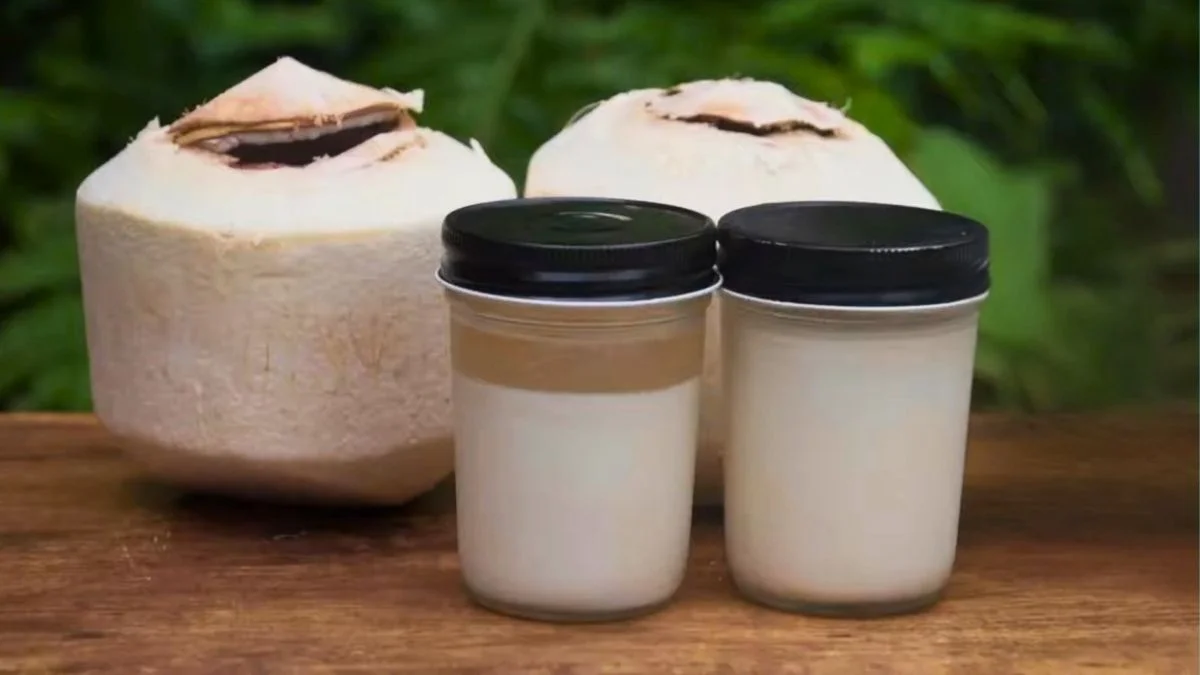
If you are looking for a dessert that is elegant, refreshing, and surprisingly simple to make, this tong sui coconut pudding recipe is exactly what you need.
Tong sui, which literally means “sugar water” in Cantonese, is a beloved category of Chinese sweet soups and desserts enjoyed across Hong Kong, Guangdong, and Southeast Asia.
This version features a silky, custard-like coconut pudding set inside a real young coconut shell, making it as beautiful to serve as it is delicious to eat. With just a handful of tong sui coconut pudding ingredients and minimal active cooking time, this stunning dessert is within reach for any home cook. Let us walk you through every step.
What Does Tong Sui Coconut Pudding Taste Like?
Tong sui coconut pudding is a study in subtle, delicate flavor. The coconut cream and milk base creates a lush, mildly sweet creaminess that is rich without being heavy.
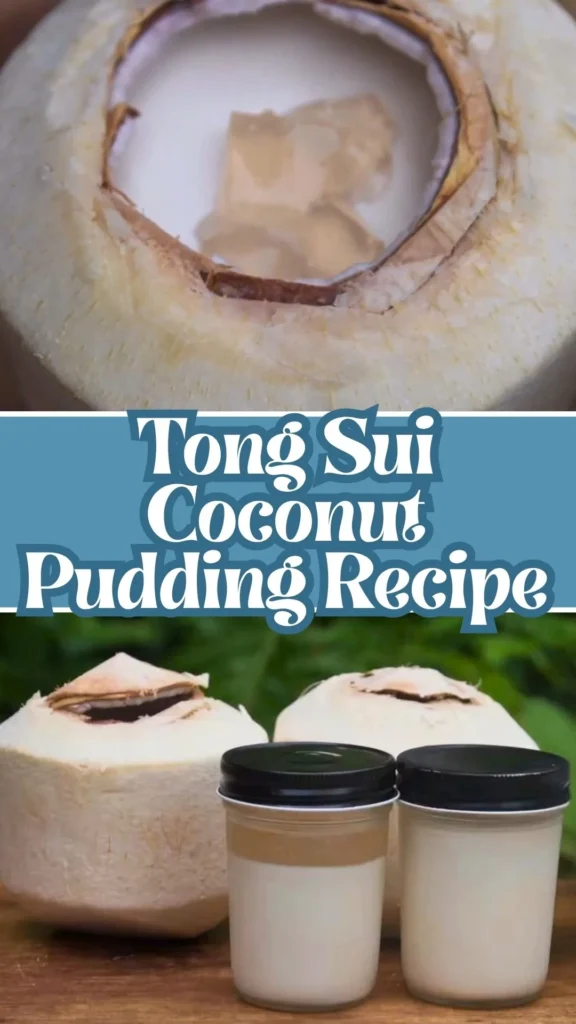
It carries the gentle, natural fragrance of fresh coconut that no artificial flavoring can replicate. The texture is where this dessert truly shines -slippery, tender, and silky smooth in the way only a properly set gelatin-based pudding can be, somewhere between a soft panna cotta and a wobbly custard.
When paired with the lighter, more refreshing coconut water jelly, you get a beautiful contrast of richness and brightness that makes every spoonful feel cooling and satisfying.
Tong Sui Coconut Pudding Ingredients
For the Main Coconut Jelly (fills 2 coconut shells plus approximately 300 ml extra)
- 2 young coconuts (for shells and any coconut water or meat inside)
- 375 g water
- 40 g sugar
- 300 g whole milk
- 150 g coconut cream
- Gelatin sheets (soaked in cold water until soft -use the amount specified on your package to set approximately 865 g of total liquid)
For the Optional Coconut Water Jelly (using leftover coconut water)
- Coconut water from the opened coconuts (or additional store-bought coconut water)
- For every 100 g of coconut water: 5 g sugar and 1 g gelatin sheets or equivalent powder
Kitchen Utensils You Will Need
- Large pitcher or mixing bowl (minimum 1,000 ml capacity)
- Kitchen scale (for accurate measurements)
- Microwave-safe bowl or pitcher
- Whisk
- Coconut opener or sturdy chef’s knife
- Cutting board
- Fine mesh strainer (optional, for smooth jelly)
- Small bowls or containers for the optional coconut water jelly
- Refrigerator-safe tray or dish to hold the coconut shells upright
Preparation Time, Cooking Time, and Servings
- Active Preparation Time: 15–20 minutes
- Chill Time: Overnight (minimum 6–8 hours)
- Total Time: Approximately 8 hours and 20 minutes
- Servings: 2 filled young coconuts plus approximately 300 ml of extra pudding
How to Make Tong Sui Coconut Pudding: Step-by-Step Instructions
1. Soak the gelatin
Place the gelatin sheets in a bowl of cold water and leave them to soak until soft and slippery, following your package instructions for the exact amount needed to set approximately 865 g of liquid. Do not use warm water, as cold water blooms the gelatin without dissolving it prematurely.
2. Open the coconuts
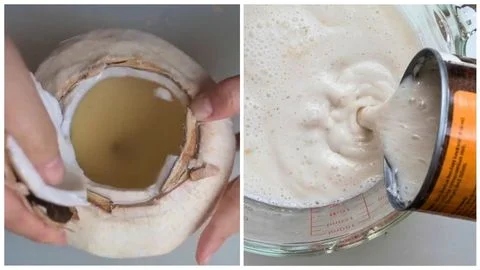
Using a sharp knife or a coconut opener, shave away the white outer fibrous skin until you can see the hard brown shell underneath. Carefully chop around approximately two thirds of the circumference of the brown shell. Insert your knife into the gap and gently pry or lift to crack the coconut open cleanly. Pour out all the coconut water and set it aside in a bowl for the optional jelly. Place the empty coconut shells on a stable tray and keep the lids for covering later.
3. Make the coconut cream mixture
In a large microwave-safe pitcher or bowl with at least 1,000 ml capacity, add 375 g of water, 40 g of sugar, 300 g of whole milk, and 150 g of coconut cream. Microwave on high for 2 minutes. Remove and whisk briefly to combine everything evenly.
4. Add the gelatin
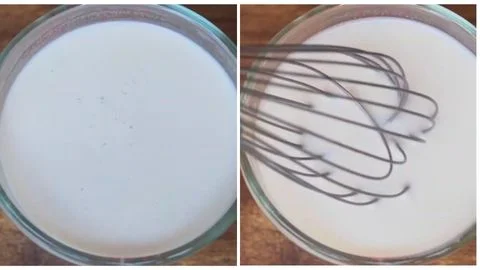
Drain the softened gelatin sheets and squeeze out any excess water. Add them directly into the warm coconut cream mixture. Whisk or stir continuously until the gelatin is completely dissolved and you see no lumps or granules settling at the bottom of the bowl.
5. Set the jelly
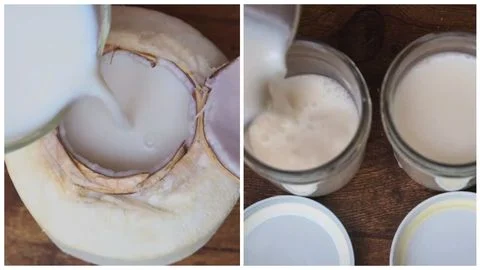
Carefully pour the coconut cream mixture into the emptied coconut shells, then place their lids back on top. If you want to make extra pudding in a separate container, reserve approximately 300 ml before filling the shells. Place the filled coconuts upright on a tray in the refrigerator and chill overnight until fully set. The finished texture should be slippery, tender, and custard-pudding-like when scooped.
6. Make the optional coconut water jelly
For every 100 g of reserved coconut water, stir in 5 g of sugar. Microwave for 1 minute until warm. Add 1 g of softened gelatin per 100 g of coconut water and stir until completely dissolved. Pour into a shallow container and refrigerate overnight until the jelly is jiggly and fully set. Once set, slice it into small cubes or pieces for serving.
7. Serve and enjoy
Using a spoon, scoop portions of the creamy coconut jelly directly from the shells. Combine with pieces of the lighter coconut water jelly for a beautiful contrast in flavor and texture. Serve cold for the most refreshing experience.
Customization and Pairing Ideas for Tong Sui Coconut Pudding
1. Pandan-Infused Coconut Jelly
Add 2 to 3 fresh or frozen pandan leaves to your coconut cream mixture before microwaving, then remove them before adding the gelatin. Pandan infuses the pudding with its signature vanilla-like, floral aroma that pairs naturally with coconut and is widely loved across Southeast Asian desserts. The result is a subtly green-tinted, fragrant jelly that elevates the traditional tong sui coconut pudding into something even more aromatic and distinctive.
2. Mango and Coconut Pudding Pairing
Serve your coconut pudding alongside fresh ripe mango slices or a small pour of chilled mango puree. The tropical sweetness and light acidity of mango cut through the richness of the coconut cream base beautifully. This classic Hong Kong-style pairing transforms your tong sui coconut pudding into a full plated dessert that looks impressive and tastes extraordinary.
3. Grass Jelly Contrast
Tong sui is often served alongside or combined with grass jelly, known as xiancao in Chinese. Slice store-bought grass jelly into cubes and plate them next to your coconut pudding for a traditional tong sui dessert spread. The slightly bitter, herbal notes of the grass jelly provide a wonderful contrast to the mild sweetness of the coconut pudding and add an authentic Cantonese dessert shop feel to your presentation.
4. Lychee and Rose Variation
Add 1 tablespoon of rose water to the coconut cream base before setting and serve with peeled fresh or canned lychees. The floral rose aroma and the delicate sweetness of lychee complement the coconut without overpowering it, creating a dessert that is romantic, fragrant, and visually beautiful when plated with a few rose petals.
5. Brown Sugar Taro Topping
Cook small cubes of taro in a light brown sugar syrup until tender and serve them warm over the cold coconut pudding. The contrast of warm, earthy taro in brown sugar syrup against the cold, slippery coconut jelly creates a dynamic temperature and flavor pairing that is deeply satisfying and inspired by popular boba shop desserts.
6. Condensed Milk Drizzle
For a richer, sweeter version of tong sui coconut pudding, drizzle a small amount of sweetened condensed milk over the scooped pudding just before serving. This enhances the milky, caramel sweetness of the dessert and makes it feel more indulgent, ideal for serving to guests or as a special treat after a light Asian-inspired meal.
7. Serve in Individual Glasses
If young coconuts are not available, pour the coconut jelly mixture into small serving glasses, ramekins, or silicone molds before chilling. Top with the cubed coconut water jelly and a sprig of fresh mint for a clean, modern presentation that works beautifully for dinner parties or meal prep desserts throughout the week.
If you enjoy creamy homemade desserts,You may also enjoy our Fresh Kitchen Coconut Ginger Rice Recipe and Hooters Chocolate Mousse Cake Recipe for other flavorful recipes from our collection.
Expert Tips for Perfect Tong Sui Coconut Pudding
1. Always Bloom Gelatin in Cold Water
This is one of the most important steps when learning how to make tong sui coconut pudding correctly. Gelatin sheets must be soaked in cold water, never warm or hot, to bloom properly. Cold water allows the gelatin to soften and swell without beginning to dissolve, which ensures it incorporates smoothly into your warm liquid without clumping or creating rubbery streaks in the finished pudding.
2. Follow Your Gelatin Package Instructions Carefully
Not all gelatin products are the same strength. Gelatin sheets come in different bloom strengths -bronze, silver, gold, and platinum -each requiring different quantities to set the same volume of liquid. Always check your specific package instructions and adjust the amount accordingly for the approximately 865 g of total liquid in this tong sui coconut pudding recipe. Using too little gelatin gives a runny result, while too much creates a rubbery texture.
3. Do Not Let the Mixture Boil
When heating your coconut cream mixture, aim to get it warm enough to dissolve the gelatin but not boiling. Boiling can cause the milk to separate or the coconut cream to curdle, which will affect both the texture and appearance of your finished pudding. Two minutes in the microwave followed by a gentle whisk is usually sufficient to reach the right temperature.
4. Use Full-Fat Coconut Cream for Best Results
The quality of your coconut cream directly determines the richness and flavor of your tong sui coconut pudding. Full-fat coconut cream, whether from a can or a fresh coconut, produces the smoothest and most flavorful result. If you cannot find coconut cream, a good-quality full-fat coconut milk can be substituted, though the pudding will be slightly less rich. As noted, buying an extra can of Thai coconut cream is a reliable backup option.
5. Stabilize the Coconut Shells Before Chilling
Young coconuts are round and can tip over easily in the refrigerator, causing the liquid jelly to spill before it sets. Place them in small bowls, silicone rings, or crumpled foil rings on a tray to keep them stable and level before refrigerating overnight. This small step ensures your coconut pudding sets with a smooth, even top rather than at an angle.
6. Taste and Adjust Sweetness Before Setting
Before pouring the coconut jelly mixture into the shells, taste the warm liquid and adjust the sweetness to your preference. The 40 g of sugar in this recipe gives a gentle, delicate sweetness that lets the natural coconut flavor shine, but you can add an extra 10 to 20 g of sugar if you prefer a sweeter dessert. Remember that cold temperatures slightly mute sweetness, so the set pudding will taste a touch less sweet than the warm mixture.
7. Chill Overnight for the Best Texture
While it is tempting to check on the pudding after a few hours, overnight chilling is truly the key to achieving the signature silky, slippery texture that makes tong sui coconut pudding so distinctive. A full overnight rest in the refrigerator allows the gelatin to fully bond with the liquid, producing a pudding that holds its shape when scooped but melts effortlessly on the tongue.
Storage and Reheating
Store tong sui coconut pudding in the refrigerator, covered, for up to 3 days. Keep the pudding inside the coconut shells and cover with plastic wrap. This dessert is meant to be served cold and should not be reheated, as warming will melt the gelatin and break down the set texture.
Common Queries and FAQs
Here, you’ll find answers to some common questions about the Tong Sui Coconut Pudding Recipe that people frequently ask
What are the essential tong sui coconut pudding ingredients?
The core tong sui coconut pudding ingredients are young coconut shells, water, sugar, whole milk, coconut cream, and gelatin sheets. The optional coconut water jelly requires only the reserved coconut water, a small amount of sugar, and gelatin. These simple ingredients come together to create a dessert that is far more elegant and impressive than the short ingredient list suggests.
How do I open a young coconut safely at home?
Start by shaving the white fibrous outer layer with a sturdy knife until you reach the hard brown shell. Then carefully chop around approximately two thirds of the shell’s circumference. Insert a knife into the gap and gently pry it open. If you are uncomfortable using a knife, a dedicated coconut opener tool is available online and makes the process significantly easier and safer.
Can I use gelatin powder instead of gelatin sheets?
Yes. Gelatin powder can be substituted for gelatin sheets using a 1:1 conversion by weight. However, it is important to check the specific bloom strength of your gelatin powder and follow your package instructions for the correct amount needed to set the total liquid volume of approximately 865 g. The method for blooming will also differ slightly -sprinkle powder over cold water and allow it to swell before adding to warm liquid.
Can I make this recipe without young coconut shells?
Absolutely. If young coconuts are unavailable, you can pour the coconut jelly mixture into individual glasses, ramekins, silicone molds, or a shallow baking dish. The flavor and texture of the pudding will be identical. Once set, scoop or slice it into portions and serve with the coconut water jelly pieces for the same delicious result.
How do I know when the coconut pudding is fully set?
The pudding is fully set when it no longer jiggles in the center when gently moved and holds its shape cleanly when scooped. This typically takes a full overnight chill of at least 6 to 8 hours in the refrigerator. If the center still looks liquidy or wobbly after several hours, give it more time before serving.
Is tong sui coconut pudding served warm or cold?
Tong sui coconut pudding is always served cold, straight from the refrigerator. The cold temperature is essential to both the texture and the refreshing quality of the dessert. Unlike some other tong sui varieties that can be served warm, this gelatin-based coconut pudding will lose its structure if brought to room temperature for too long.
Tong Sui Coconut Pudding Recipe
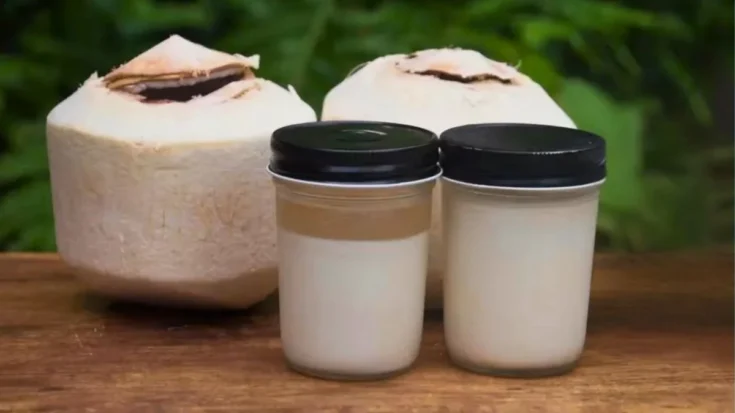
This version features a silky, custard-like coconut pudding set inside a real young coconut shell, making it as beautiful to serve as it is delicious to eat.
Ingredients
- 2 young coconuts (for shells and any coconut water or meat inside)
- 375 g water
- 40 g sugar
- 300 g whole milk
- 150 g coconut cream
- Gelatin sheets (soaked in cold water until soft -use the amount specified on your package to set approximately 865 g of total liquid)
- Coconut water from the opened coconuts (or additional store-bought coconut water)
- For every 100 g of coconut water: 5 g sugar and 1 g gelatin sheets or equivalent powder
Instructions
Place the gelatin sheets in a bowl of cold water and leave them to soak until soft and slippery, following your package instructions for the exact amount needed to set approximately 865 g of liquid. Do not use warm water, as cold water blooms the gelatin without dissolving it prematurely.
Using a sharp knife or a coconut opener, shave away the white outer fibrous skin until you can see the hard brown shell underneath. Carefully chop around approximately two thirds of the circumference of the brown shell. Insert your knife into the gap and gently pry or lift to crack the coconut open cleanly. Pour out all the coconut water and set it aside in a bowl for the optional jelly. Place the empty coconut shells on a stable tray and keep the lids for covering later.
In a large microwave-safe pitcher or bowl with at least 1,000 ml capacity, add 375 g of water, 40 g of sugar, 300 g of whole milk, and 150 g of coconut cream. Microwave on high for 2 minutes. Remove and whisk briefly to combine everything evenly.
Drain the softened gelatin sheets and squeeze out any excess water. Add them directly into the warm coconut cream mixture. Whisk or stir continuously until the gelatin is completely dissolved and you see no lumps or granules settling at the bottom of the bowl.
Carefully pour the coconut cream mixture into the emptied coconut shells, then place their lids back on top. If you want to make extra pudding in a separate container, reserve approximately 300 ml before filling the shells. Place the filled coconuts upright on a tray in the refrigerator and chill overnight until fully set. The finished texture should be slippery, tender, and custard-pudding-like when scooped.
For every 100 g of reserved coconut water, stir in 5 g of sugar. Microwave for 1 minute until warm. Add 1 g of softened gelatin per 100 g of coconut water and stir until completely dissolved. Pour into a shallow container and refrigerate overnight until the jelly is jiggly and fully set. Once set, slice it into small cubes or pieces for serving.
Using a spoon, scoop portions of the creamy coconut jelly directly from the shells. Combine with pieces of the lighter coconut water jelly for a beautiful contrast in flavor and texture. Serve cold for the most refreshing experience.
Notes
Store tong sui coconut pudding in the refrigerator, covered, for up to 3 days. Keep the pudding inside the coconut shells and cover with plastic wrap. This dessert is meant to be served cold and should not be reheated, as warming will melt the gelatin and break down the set texture.
Nutrition Information:
Yield:
2Serving Size:
1Amount Per Serving: Calories: 455
This tong sui coconut pudding recipe proves that the most memorable desserts do not have to be complicated. With just a few simple tong sui coconut pudding ingredients, minimal active cooking time, and the patience to let it chill overnight, you can create a dessert that is silky, refreshing, and stunning to serve. Whether you present it in the shell for a dramatic effect or in individual glasses for everyday elegance, this coconut pudding captures everything wonderful about traditional Cantonese tong sui desserts. Try it once and it is sure to become a beloved part of your dessert rotation.
I’d love to hear your thoughts-leave a comment on the blog and let me know How it came out! Don’t forget to follow me on Pinterest, Facebook and YouTube for more delicious updates. Your support truly means everything to me.